
What does it take to make it in Hollywood? Talent, timing, persistence, a little luck, and apparently the ability to survive a greeting card company telling you that your material isn’t funny enough.

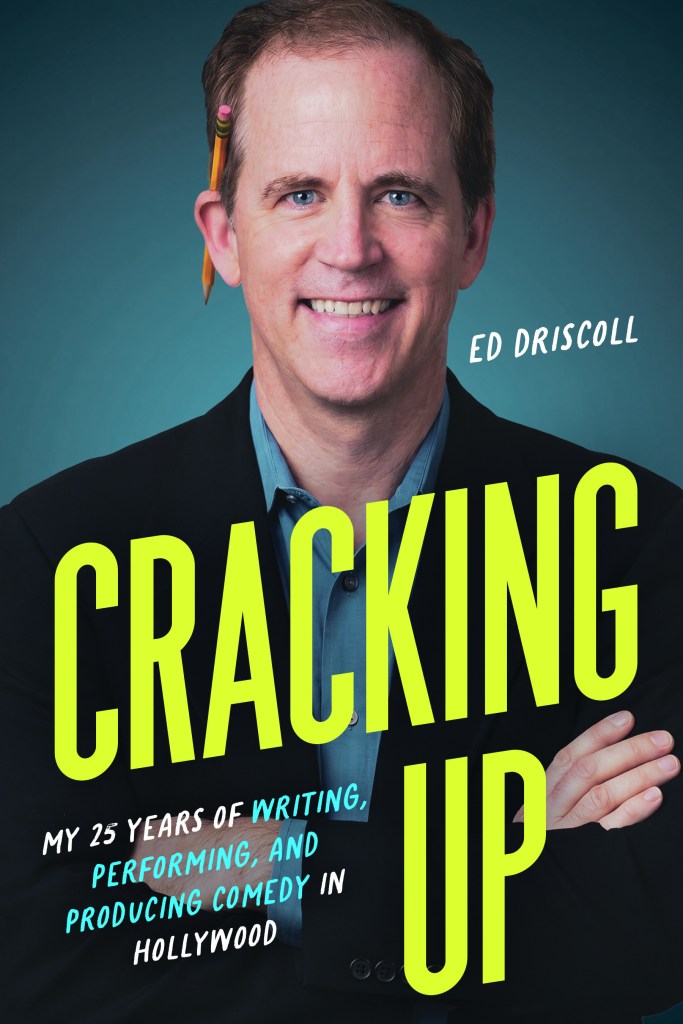
On this episode of The Billy Dees Podcast, I sit down with Emmy-winning comedy writer and performer Ed Driscoll, whose career spans more than 25 years in television, stand-up comedy, live entertainment, and some of the biggest names in the business. His new book, Cracking Up, takes readers behind the scenes of an unpredictable career filled with unusual encounters, professional victories, unexpected setbacks, and plenty of stories that never quite make it into the Hollywood highlight reel.
But this conversation goes considerably deeper than celebrity stories and comedy writing. It’s about creativity, human behavior, rejection, changing cultural attitudes, and the sometimes uncomfortable lessons that come with experience.
From Pittsburgh to Hollywood: An Unlikely Road to Success
Ed’s journey began in Pittsburgh, Pennsylvania, where he started performing stand-up comedy after college. He eventually moved to Boston, which at the time was a thriving comedy market, before an unexpected opportunity changed the direction of his career.
After attempting to break into greeting card writing and receiving a rejection letter telling him his material wasn’t funny or original enough, Ed received an entirely different kind of opportunity. Dennis Miller, whom he had known from his early comedy days in Pittsburgh, invited him to open for him in Boston.
That connection eventually led to an opportunity to write for Dennis Miller Live on HBO.
And here’s where the story gets interesting.
Within approximately six months of moving to Los Angeles, Ed went from being rejected by a small greeting card company to winning an Emmy for his writing.
Same person. Same creative instincts. A completely different outcome.
It’s a terrific reminder that professional rejection doesn’t necessarily tell you much about your long-term potential. Sometimes the difference between a disappointing setback and a career-changing opportunity is simply being in the right place when the right door opens.
Ed’s career would go on to include work connected with the Academy Awards, the ESPY Awards, sitcoms, films, and major live productions. He’s written material for some recognizable names in entertainment, including Billy Crystal, Robin Williams, Bob Newhart, and Michael Bublé.
Comedy Is About More Than Getting a Laugh
One of the more interesting parts of this conversation is the relationship between comedy and human behavior.
Having spent years observing audiences, performers, writers, and personalities, Ed has developed an appreciation for just how unpredictable people can be.
We discuss the strange phenomenon of an audience behaving almost like a single personality. A room full of people can respond collectively to a performance, and sometimes the atmosphere of one show can be completely different from the next.
We also explore the difference between being funny socially and being funny on stage. As Ed points out, some comedians are actually more comfortable performing in front of hundreds of people than navigating a small gathering of strangers.
That might sound counterintuitive, but performing is a skill. There’s a difference between making friends laugh in a casual setting and understanding timing, delivery, audience expectations, and the mechanics of a live performance.
We also talk about nervousness and why a little anxiety before stepping on stage isn’t necessarily a bad thing. It can be a sign that you respect the audience and care about what you’re doing.
That’s a lesson that extends well beyond comedy. Whether you’re giving a presentation, producing a podcast, or walking into an important meeting, caring about the outcome is not a weakness.
Rejection, Ego, and the Hollywood Roller Coaster
Creative people understand something that isn’t always easy to explain to others: rejection can feel personal.
When you’re putting your ideas, writing, humor, or creative work out into the world, you’re putting a little piece of yourself on the line.
Ed talks candidly about the challenges of dealing with rejection, rewrites, cancellations, and the constant uncertainty of working in entertainment.
One of the more revealing stories involves overhearing two highly successful actors discussing disappointment over a major career opportunity. From the outside, these were people who appeared to have everything. Yet one of them was deeply upset about not getting a particular movie role.
It was a reminder that the pursuit of success can become an endless treadmill.
There’s always another project, another opportunity, another level of recognition, and another reason to convince yourself that you’ll finally be happy when you get there.
Ed’s observation is worth considering: if you constantly measure your life against the next accomplishment, you may never appreciate what you’ve already achieved.
It’s easy to look at someone else’s success and assume they’ve reached some destination where everything is wonderful. The reality is that everybody has something they’re working through.
Is Political Correctness Changing Comedy?
We also get into a subject that has become increasingly difficult to avoid: the changing culture surrounding comedy, political correctness, and the boundaries of creative expression.
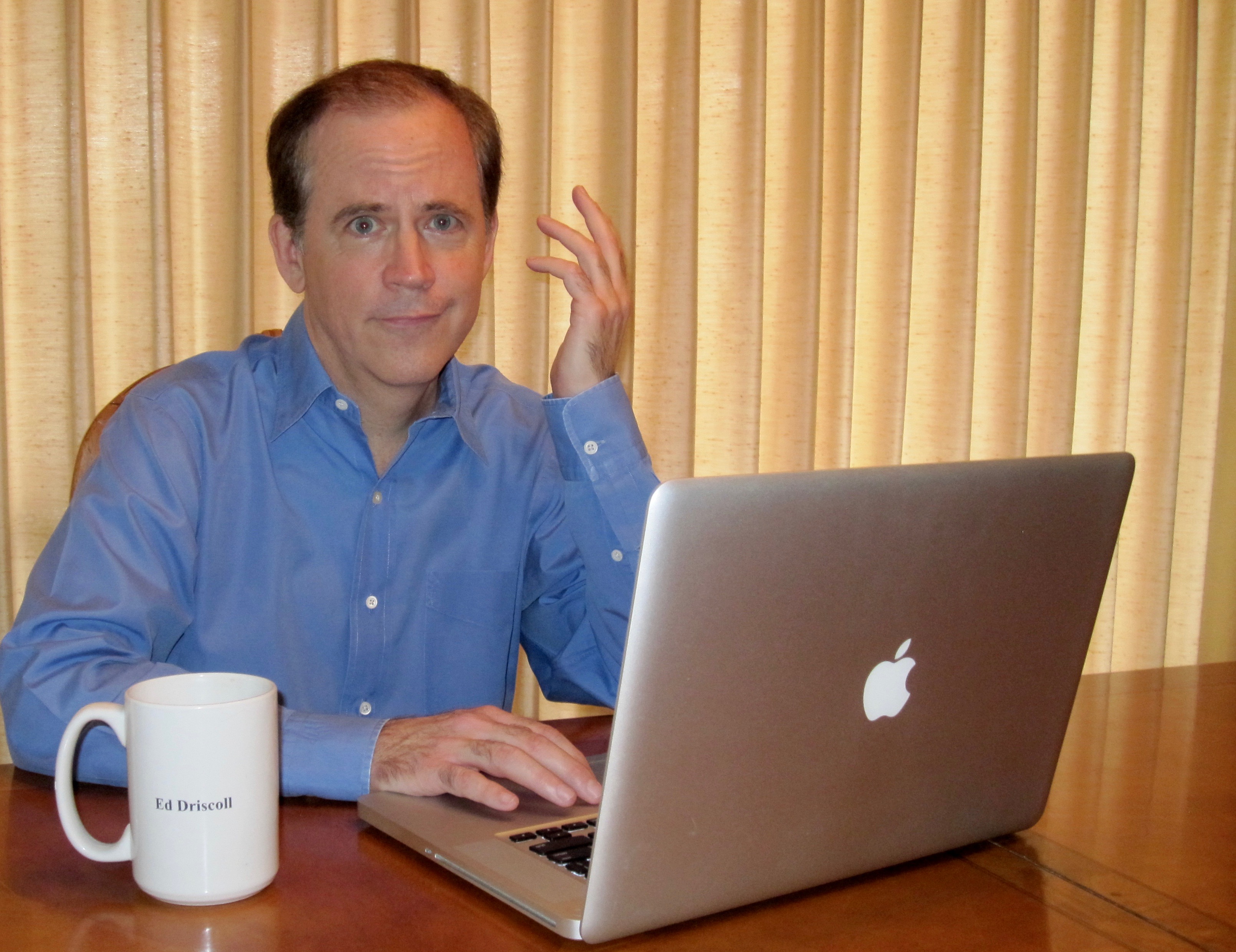
Has society lost some of its ability to laugh at itself?
Ed shares his experiences working in television writers’ rooms, where creative freedom traditionally depended on an environment in which writers could experiment, challenge one another, and sometimes push boundaries.
He discusses how the growing influence of human resources policies and concerns about workplace offense have changed the atmosphere in some creative environments.
There’s an important distinction here between treating people respectfully and creating an environment where nobody feels comfortable taking a creative risk.
Ed makes the point that comedians and writers need room to explore uncomfortable subjects. He even shares an example of being asked to evaluate a joke that personally offended him. He could recognize that the material was thoughtful and funny from a comedic standpoint without necessarily wanting to hear it himself.
That’s an interesting distinction, and one that seems increasingly difficult to maintain in today’s culture.
You don’t have to like every joke. You don’t have to agree with every observation. And you certainly don’t have to watch something you find offensive.
But does every disagreement need to become a campaign to silence the person who said it?
We discuss why humor can sometimes accomplish something that an argument cannot: getting people to consider a different perspective without immediately putting them on the defensive.
As Ed points out, that kind of dialogue is healthy regardless of which political or ideological direction the comedy happens to come from.
Hollywood, Technology, and the Battle for Attention
The entertainment industry has changed dramatically over the past decade.
Traditional television, premium cable, streaming services, social media, and short-form video have all altered the way audiences consume entertainment.
During our conversation, we discuss how technology has disrupted the traditional entertainment business and created an entirely different competitive environment.
Today, established performers are competing for attention with internet personalities, influencers, and creators who can reach enormous audiences directly through a smartphone.
Ed has an interesting perspective on this transition. Rather than attempting to reinvent himself to chase every new platform or trend, he believes in finding your audience and continuing to do what you do best.
It’s advice worth considering, particularly for anyone involved in creative work.
There is a difference between adapting to changing technology and trying to become something you’re not just because you think it’s what the audience wants.
Authenticity matters. And sometimes chasing the latest trend can make you look less authentic rather than more relevant.
Creative Egos, Collaboration, and Knowing When to Speak Up
Another fascinating part of the interview involves the personalities behind television production.
When you’re working with established performers, producers, and writers, how do you navigate creative disagreements?
When should you stand your ground, and when should you recognize that someone else has the final say?
Ed shares stories about working with Dennis Miller and other established personalities, including an amusing example of defending a joke that ultimately received almost no reaction when delivered on live television.
There’s also a valuable lesson in his experiences working with producers. Sometimes people hire experienced professionals for their knowledge and then disregard the very advice they were brought in to provide.
Ed explains that he believes in speaking up when he feels strongly about something. But once a decision has been made, he understands that collaboration means doing his best to make the chosen direction work.
That’s a pretty practical approach to creative business.
You can offer your expertise without making every disagreement a battle of egos. And if you’re working for someone else, understanding who has the final decision is part of being a professional.
What Does Making It Actually Mean?
Perhaps the most meaningful part of this conversation comes toward the end, when I ask Ed a question that goes beyond comedy and Hollywood.
When we’re young, making it often means fame, money, recognition, and all the things that seem to define success from the outside.
But does that definition change as we get older?
Ed’s answer is refreshingly grounded.
He talks about the importance of health, family, having a decent life, appreciating his accomplishments, and recognizing that experience brings a perspective that isn’t always available when we’re younger.
He also acknowledges that there are things he wishes had worked out differently. That’s part of life.
There is no substitute for experience, and sometimes it takes years of chasing success to realize that the things we thought were so important weren’t necessarily the things that mattered most.
That’s a pretty good lesson from someone who has spent decades working in an industry where recognition and professional validation can become an obsession.
About Ed Driscoll and Cracking Up
Ed Driscoll has spent more than 25 years working in comedy, television, and entertainment. His book, Cracking Up, offers a behind-the-scenes look at the people, experiences, unexpected turns, and life lessons that shaped his career.
Learn more at EdDriscollComedy.com.
The book is available through major booksellers, including Amazon and Barnes & Noble. Ed also shares videos and other material on YouTube under Ed Driscoll Comedy.
Final Thoughts: Sometimes the Best Punchline Is the Lesson
This was an enjoyable conversation with someone who has seen a remarkable amount of the entertainment business from the inside.
But what I found particularly interesting wasn’t simply the list of celebrities Ed has worked with or the Emmy-winning accomplishments. It was the perspective that comes from spending decades in a business where success can be unpredictable, rejection is routine, egos are plentiful, and the next opportunity is never guaranteed.
We covered comedy, creativity, free expression, technology, professional relationships, and the importance of not taking yourself too seriously.
And perhaps that’s the point.
You can work hard, pursue your ambitions, and take pride in what you create without allowing your accomplishments—or your disappointments—to define your entire life.
Sometimes you just have to keep showing up, keep doing the work, and remember to laugh along the way.
The Billy Dees Podcast is available on all podcast platforms and the video versions of the podcast (when available) are now on Rumble.

