
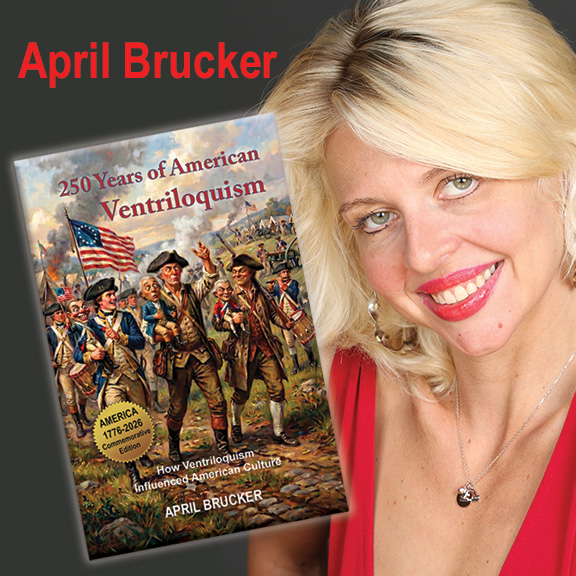
Most people think of ventriloquism as a novelty act—a performer with a puppet delivering jokes from a comedy stage. But according to author, comedian, actress, and professional ventriloquist April Brucker, the art form has played a much larger role in American history than most people realize. On this episode of The Billy Dees Podcast, Billy sits down with April to discuss her fascinating new book, 250 Years of American Ventriloquism: How Ventriloquism Influenced American Culture, and the surprising ways ventriloquism has shaped entertainment, broadcasting, politics, and popular culture.
The conversation explores the rich history of ventriloquism, tracing its influence from early American medicine shows and vaudeville stages to the golden age of radio and television. April explains how legendary performers such as Edgar Bergen and Charlie McCarthy helped redefine broadcasting, while later icons like Shari Lewis, Paul Winchell, and Willie Tyler expanded the art form into children’s programming and mainstream entertainment. Along the way, listeners will discover remarkable historical stories, including the groundbreaking career of Richard Potter, one of America’s earliest celebrity entertainers.
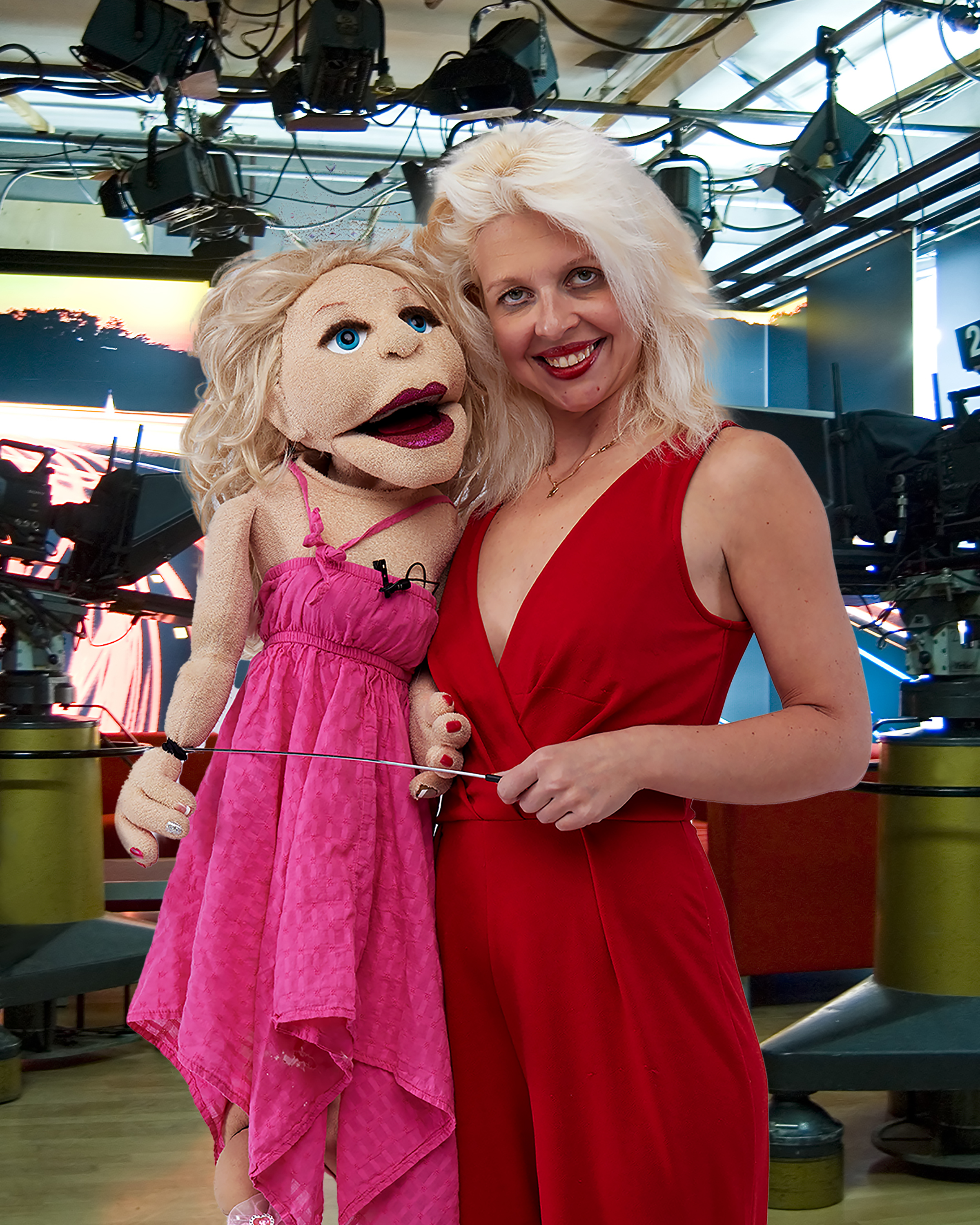
The interview also highlights April’s own journey into ventriloquism. From growing up in western Pennsylvania without cable television to becoming a nationally recognized performer appearing on Judge Jerry, My Strange Addiction, and What Would You Do?, she shares how persistence and passion helped build her career. The episode features appearances from her wisecracking puppet Mae Wilson, whose humor demonstrates why puppets often get away with saying things that people cannot. Their exchanges provide some of the funniest moments of the conversation while illustrating the timeless appeal of character comedy.

Billy and April also discuss how artificial intelligence, digital avatars, and emerging technology may influence the future of entertainment. Rather than seeing AI as a threat, April argues that ventriloquists have always embraced innovation while maintaining the uniquely human connection that live performance offers. The discussion touches on the psychology behind puppets, why audiences form emotional connections with them, and why ventriloquism continues to thrive despite changing media landscapes.
Whether you’re a fan of comedy, broadcasting history, live performance, or simply enjoy uncovering overlooked stories from American culture, this episode offers an entertaining and informative conversation filled with humor, history, and unexpected insights. It’s a reminder that some of the most fascinating chapters of American entertainment history come from places few people think to explore—and that a talking dummy might have more to teach us than we ever imagined.

