From Corporate Executive to Storyteller: Angela Page on Historical Fiction, Reinvention, and Preserving History

What happens when a successful corporate executive decides to pursue a lifelong creative passion? For author and filmmaker Angela Page, the answer is a remarkable second act built around storytelling, history, and perseverance.

Angela Page

On this episode of The Billy Dees Podcast, Angela Page shares the fascinating journey that took her from managing multinational corporate collections for companies like Microsoft, Siemens, and Honeywell to writing award-winning films and historical fiction. Along the way, she offers thoughtful insights into creativity, reinvention, World War II history, and the evolving entertainment industry.

Bringing Family History to Life

At the center of the conversation is Angela’s latest novel, Enrico G., a historical fiction work inspired by the extraordinary life of her great-grandfather. Far more than a family memoir, the novel explores decades of Italian history, spanning the country’s unification, massive waves of immigration, both World Wars, and the rise and fall of Benito Mussolini.

Angela explains that historical fiction allows writers to weave documented events together with imaginative storytelling, creating narratives that make history more accessible and emotionally engaging. Her meticulous research uncovered ship manifests, historical records, and wartime accounts that helped reconstruct her ancestor’s incredible life as a chef who crossed the Atlantic sixteen times before ultimately returning to Italy during one of the country’s most turbulent periods.

Rather than simply recounting historical events, Angela paints a vivid picture of how ordinary families experienced extraordinary moments in history.

The Importance of Remembering History

One of the interview’s most compelling discussions centers on historical awareness—or, in many cases, the lack of it.

Billy and Angela reflect on how many people today possess only a surface-level understanding of World War II and the events that shaped modern Europe. Angela discusses little-known chapters of Italian history, including Mussolini’s arrest, imprisonment, and dramatic rescue by German forces, explaining how these events directly intersected with her own family’s experiences.

The conversation expands into a thoughtful discussion about why preserving these stories matters. As the generation that lived through World War II continues to disappear, firsthand accounts become increasingly rare. Historical fiction, Angela argues, can serve as a powerful bridge between documented history and contemporary audiences who may never hear those stories firsthand.

Turning Research Into Film

While Enrico G. exists today as a novel, it actually began life as a screenplay.

Angela reveals that she originally envisioned the story as a feature film before being encouraged to develop the intellectual property through a novel first. She now believes the sweeping narrative would be ideally suited for a limited television series, allowing viewers to experience multiple decades of European history through the lens of one remarkable family.

The discussion also explores the realities of independent filmmaking, including international co-productions, film festivals, and the shifting landscape of movie production outside traditional Hollywood studios.

Reinvention After a Successful Career

One of the most inspiring portions of the interview focuses on career reinvention later in life.

After building a successful corporate career, Angela eventually decided to pursue the creative ambitions she had held since her youth. Rather than making an abrupt leap, however, she spent years writing, studying acting, and producing smaller projects while still working full-time.

Her advice is refreshingly practical: don’t wait until retirement to begin pursuing your passion. Instead, start building your second career while you’re still working. That gradual transition gave her both experience and confidence before making the leap into writing and filmmaking full time.

Angela believes many people reach midlife realizing that while they may have built successful careers, they never truly pursued what they loved most. Her story demonstrates that it’s never too late to begin.

Creativity in the Age of Artificial Intelligence

Billy and Angela also tackle one of today’s hottest topics: artificial intelligence and its impact on writers and filmmakers.

Rather than viewing AI as an outright threat, Angela sees it as a tool that should enhance—not replace—human creativity. She explains that many authors and screenwriters already use AI for brainstorming, organizing ideas, creating summaries, or overcoming small creative roadblocks.

However, she also discusses growing efforts within the publishing community to distinguish human-created work from AI-generated content, emphasizing that authentic storytelling remains rooted in human experience, emotion, and perspective.

Advice for Aspiring Writers

For anyone hoping to write a book, screenplay, or simply tell their own story, Angela offers encouraging advice.

She recommends beginning with the simplest step: write.

Don’t worry about perfection. Capture ideas as they come, whether by typing, handwriting, or recording voice notes. Great stories often begin as small fragments that evolve through revision and feedback.

She also stresses the value of joining writers’ groups, accepting constructive criticism, and developing resilience. Success in publishing and filmmaking rarely comes quickly, but persistence often separates those who eventually succeed from those who give up too soon.

An Inspiring Conversation About Passion and Persistence

Billy Dees’ interview with Angela Page is far more than a discussion about one book. It’s a conversation about preserving history, embracing lifelong learning, adapting to technological change, and having the courage to pursue creative dreams regardless of age.

Whether you’re interested in World War II history, historical fiction, independent filmmaking, or simply looking for inspiration to begin your own creative journey, this episode offers valuable insights and practical wisdom from someone who successfully transformed a lifelong passion into a thriving second career.

For readers and aspiring writers alike, Angela Page reminds us that every family has stories worth telling—and sometimes those stories become the bridge that connects generations while preserving history for the future.

250 Years of American Ventriloquism – More Than Talking Dummies with April Brucker

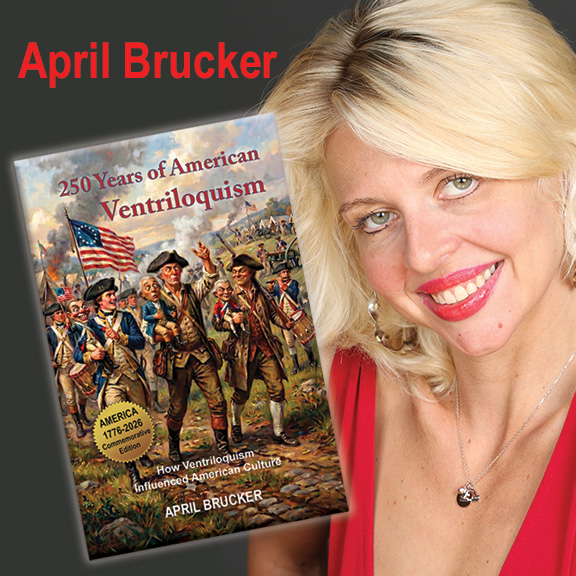
Most people think of ventriloquism as a novelty act—a performer with a puppet delivering jokes from a comedy stage. But according to author, comedian, actress, and professional ventriloquist April Brucker, the art form has played a much larger role in American history than most people realize. On this episode of The Billy Dees Podcast, Billy sits down with April to discuss her fascinating new book, 250 Years of American Ventriloquism: How Ventriloquism Influenced American Culture, and the surprising ways ventriloquism has shaped entertainment, broadcasting, politics, and popular culture.

The conversation explores the rich history of ventriloquism, tracing its influence from early American medicine shows and vaudeville stages to the golden age of radio and television. April explains how legendary performers such as Edgar Bergen and Charlie McCarthy helped redefine broadcasting, while later icons like Shari Lewis, Paul Winchell, and Willie Tyler expanded the art form into children’s programming and mainstream entertainment. Along the way, listeners will discover remarkable historical stories, including the groundbreaking career of Richard Potter, one of America’s earliest celebrity entertainers.

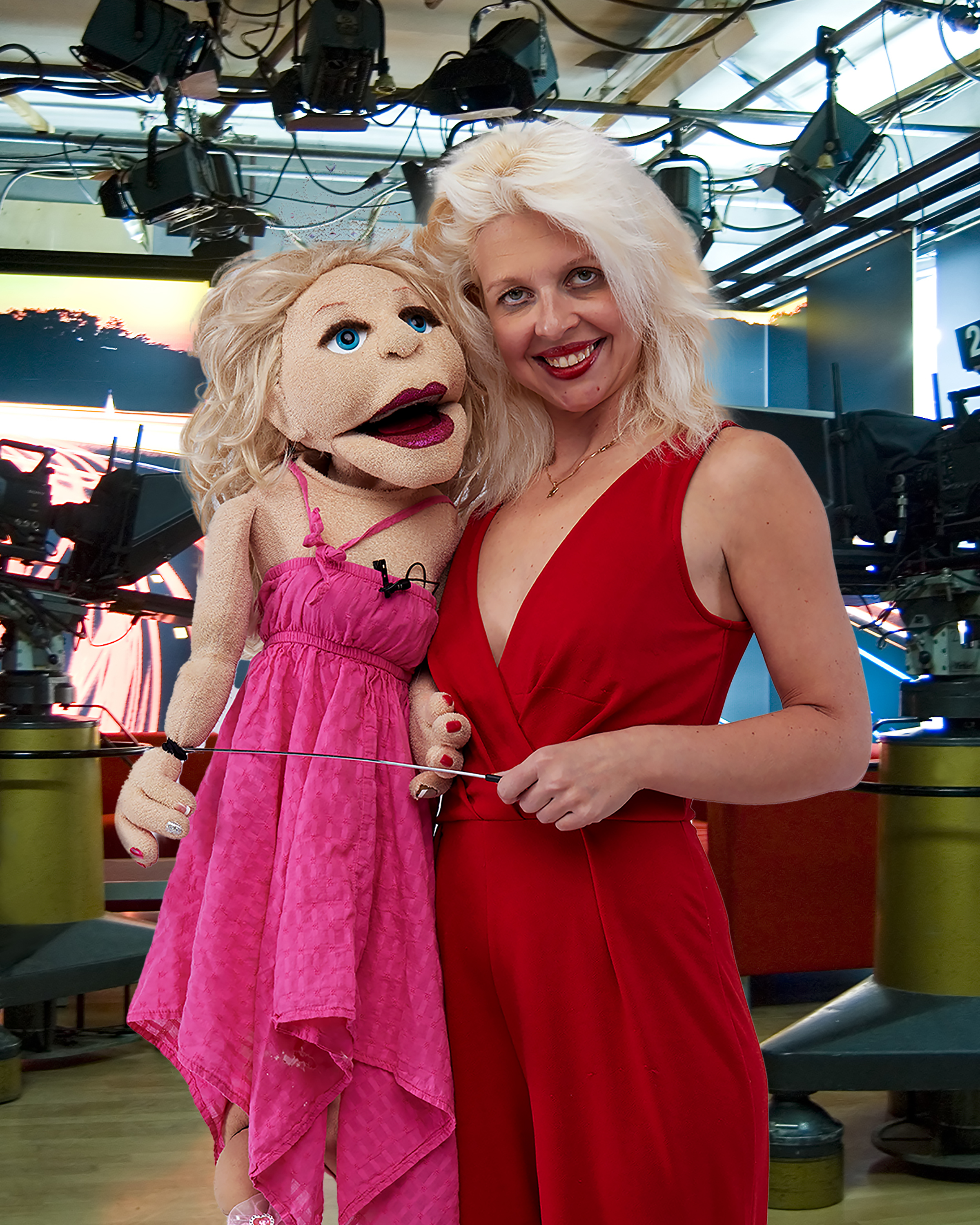
The interview also highlights April’s own journey into ventriloquism. From growing up in western Pennsylvania without cable television to becoming a nationally recognized performer appearing on Judge Jerry, My Strange Addiction, and What Would You Do?, she shares how persistence and passion helped build her career. The episode features appearances from her wisecracking puppet Mae Wilson, whose humor demonstrates why puppets often get away with saying things that people cannot. Their exchanges provide some of the funniest moments of the conversation while illustrating the timeless appeal of character comedy.

Billy and April also discuss how artificial intelligence, digital avatars, and emerging technology may influence the future of entertainment. Rather than seeing AI as a threat, April argues that ventriloquists have always embraced innovation while maintaining the uniquely human connection that live performance offers. The discussion touches on the psychology behind puppets, why audiences form emotional connections with them, and why ventriloquism continues to thrive despite changing media landscapes.

Whether you’re a fan of comedy, broadcasting history, live performance, or simply enjoy uncovering overlooked stories from American culture, this episode offers an entertaining and informative conversation filled with humor, history, and unexpected insights. It’s a reminder that some of the most fascinating chapters of American entertainment history come from places few people think to explore—and that a talking dummy might have more to teach us than we ever imagined.

Rise Above the Script with Dr. Albert Bramante

Dr. Albert Bramante

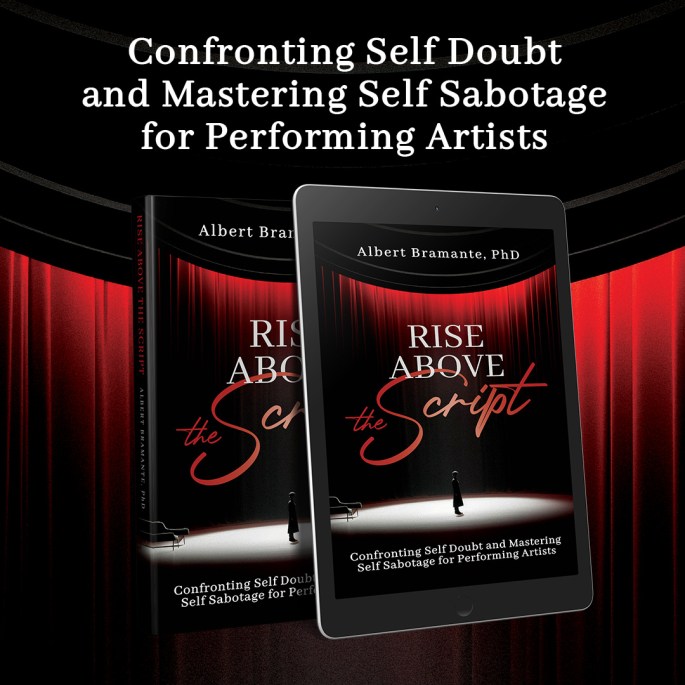
On this episode of The Billy Dees Podcast, Billy sits down with Dr. Albert Bramante for a fascinating conversation about psychology, performance, creativity, and the hidden mental roadblocks that often stand between talented people and success. Bramante, author of the book Rise Above the Script, brings a rare combination of experience to the table: over two decades working as a talent agent alongside an academic background in psychology, hypnosis, and neuro-linguistic programming (NLP).

The discussion explores why so many performers struggle with self-doubt, imposter syndrome, and self-sabotage—even when opportunities are right in front of them. Bramante explains how the human brain is wired for protection and survival, which can sometimes lead people to unconsciously avoid success out of fear, discomfort, or uncertainty. Drawing from his work with actors and creatives, he offers insight into how fear manifests in everyday behavior, from procrastination to missed opportunities, and why many people unknowingly stand in their own way.

Billy and Dr. Bramante also dive into the modern culture of “toxic positivity,” questioning whether constant motivational messaging can sometimes do more harm than good. Rather than pretending every challenge is enjoyable, the conversation emphasizes discipline, realism, and the importance of confronting discomfort head-on. Bramante shares practical advice for building confidence, including stepping outside your comfort zone, facing fears directly, and surrounding yourself with ambitious and supportive people.

The interview closes with a thoughtful discussion about artificial intelligence and its growing influence on creativity, performance, and human connection. While Bramante believes AI can be a useful tool, he warns against replacing genuine human interaction with chatbot-driven advice and validation. Throughout the episode, listeners are treated to an engaging blend of psychology, entertainment industry insight, and practical self-improvement strategies that apply not only to performers, but to anyone trying to overcome fear and unlock their potential.

Dr. Albert Bramante’s book, Rise Above the Script: Confronting Self-Doubt and Mastering Self-Sabotage for Performing Artists, is available on Amazon in print, ebook, and audiobook formats. You can also connect with him through his website www.albertbramante.com and LinkedIn.

Author Nancy Jasin Ensley – Hospice, Sci-Fi & Life’s Enduring Mysteries

Nancy Jasin Ensley

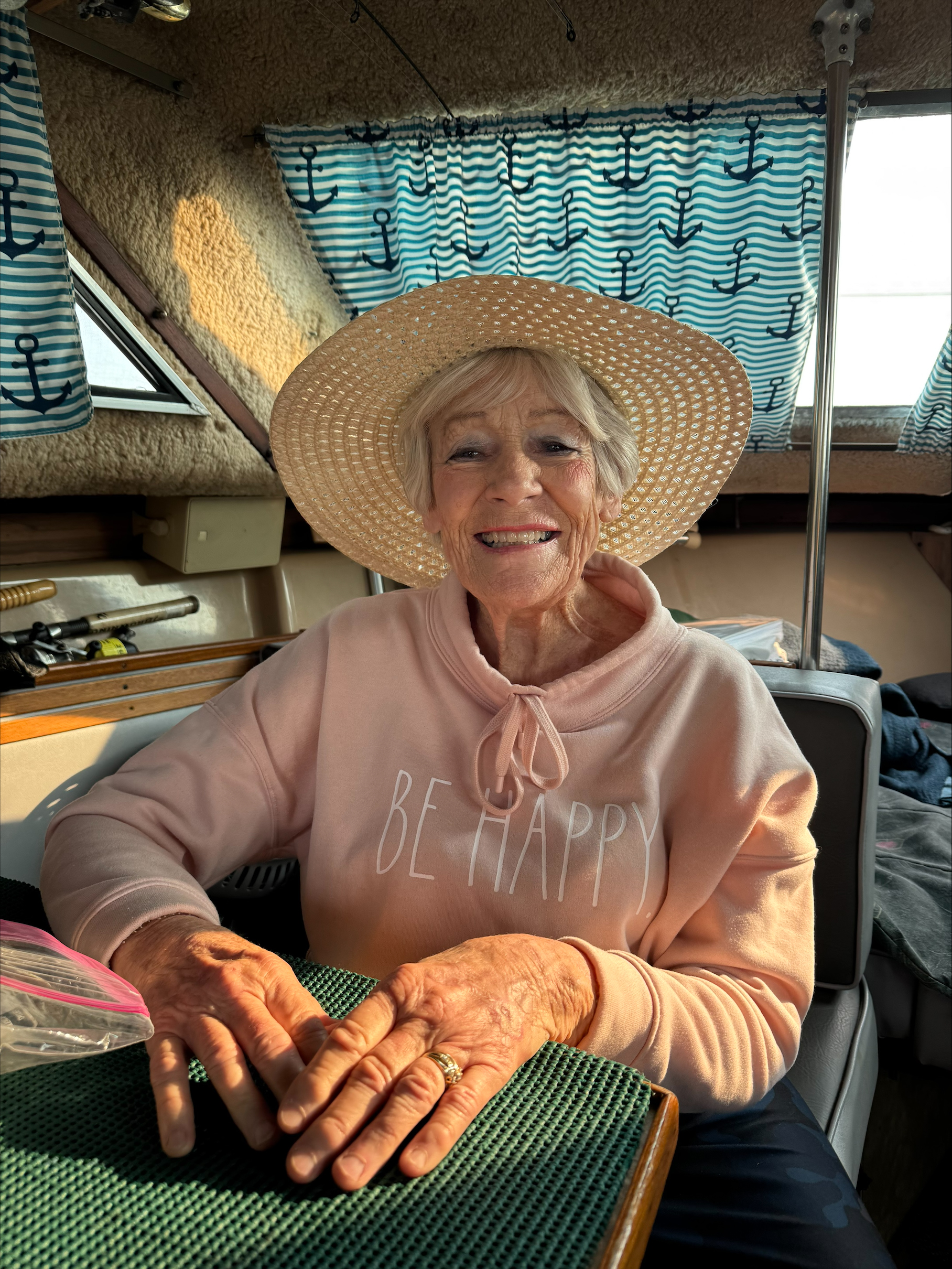
In this compelling episode of The Billy Dees Podcast, Billy sits down with author, legal nurse, and hospice specialist Nancy Jasin Ensley for a conversation that moves seamlessly between humor, humanity, and the profound realities of life and death. From the very beginning, Nancy’s warmth and authenticity shine through, as she shares stories from her upbringing in New Jersey, her early love of reading and writing, and the formative experiences that shaped her voice as both a caregiver and storyteller.

A central theme of the discussion is Nancy’s work in hospice care—an area that brings a unique and often unfiltered perspective on the human experience. Drawing from years of bedside moments, she describes the emotional and even mysterious aspects of end-of-life transitions. Her reflections echo a recurring idea: when life becomes most serious, people no longer need performance—they need honesty, presence, and connection. These experiences not only define her approach to caregiving but deeply influence her writing, giving it a grounded sense of realism and emotional depth.

Nancy’s literary work spans multiple genres, from memoir and mystery to science fiction and children’s books. Rather than confining herself to a single style, she embraces storytelling as a vehicle for meaning—exploring resilience, forgiveness, faith, and personal transformation. Her memoir The Tire Swing emerges as a cornerstone of her work, offering a deeply personal look at adversity and healing. Meanwhile, her foray into science fiction reveals her curiosity and willingness to stretch creatively, blending real scientific concepts with imaginative storytelling.

Throughout the episode, Billy and Nancy also explore the creative process itself—how inspiration can strike from the smallest moments, and how discipline plays a crucial role in bringing ideas to life. Nancy’s perspective is both practical and philosophical: writing isn’t just about craft, but about listening—to yourself, to others, and to the world around you. Whether she’s discussing journaling, forgiveness, or the importance of human connection, her insights resonate far beyond the page.

This episode is more than an author interview—it’s a thoughtful exploration of life’s complexities and the stories we tell to make sense of them. Listeners will come away not only with a deeper understanding of Nancy Jasin Ensley’s work, but with a renewed appreciation for the power of storytelling rooted in real experience.

Exploring Big Ideas Through Speculative Fiction – A Conversation with Diana Colleen

Diana Colleen

In this thought-provoking episode of The Billy Dees Podcast, Billy welcomes speculative fiction author Diana Colleen for a wide-ranging discussion that blends storytelling, philosophy, and current social issues. At the heart of the conversation is Colleen’s debut novel, They Could Be Saviors, a book built on a bold and provocative premise: what if saving the planet required confronting the immense power of billionaires? From the outset, the episode sets the tone for an open dialogue—one where differing viewpoints are not only acknowledged but explored with curiosity and respect.

A central theme of the discussion is the role of speculative fiction as more than just entertainment. Colleen explains that the genre—encompassing science fiction, dystopian narratives, and climate fiction (“cli-fi”)—is rooted in “what if” questions that challenge readers to reimagine the future. Rather than focusing solely on bleak, dystopian outcomes, she advocates for stories that offer hope and agency. In her view, the narratives we consume shape how we perceive what’s possible, and by presenting more optimistic futures, authors can inspire readers to believe that meaningful change is still within reach.

The conversation also dives into deeper societal debates, particularly around wealth inequality, innovation, and the influence of billionaires. While Colleen critiques the concentration of power and wealth as a systemic issue, Billy provides a counterbalance by highlighting the role of innovation and risk-taking in driving societal progress. What emerges is not a debate with winners and losers, but a nuanced exploration of how modern economies function—and where they may be falling short. The discussion touches on morality, incentives, and whether current systems encourage progress at the expense of broader human well-being.

Beyond economics and politics, the episode takes a philosophical turn, examining themes of human connection, empathy, and the growing sense of disconnection in modern life. From the impact of social media to the decline of community institutions, both Billy and Colleen reflect on how society has shifted—and what might be needed to restore a sense of shared humanity. Colleen introduces the idea of a “revolution of consciousness,” suggesting that meaningful change begins with how individuals see themselves and others, while Billy emphasizes the importance of empathy as a foundational human skill.

Ultimately, this episode is less about arriving at definitive answers and more about asking better questions. It invites listeners to grapple with complex issues—from climate change and technological influence to wealth and morality—through the lens of storytelling and dialogue. By the end, what stands out most is the willingness of both host and guest to engage thoughtfully across differences, offering a model for the kind of conversations that are increasingly rare, but deeply needed.

Danielle M. Orsino Talks Cosplay, Martial Arts, and Writing Fantasy

Danielle M. Orsino

This episode of the podcast features a lively and wide-ranging conversation between Billy Dees and fantasy author, martial artist, and cosplayer Danielle M. Orsino. The discussion begins with Orsino’s unconventional journey into writing, sparked by storytelling sessions with a patient undergoing medical treatment. From those humble beginnings, she developed her Legacies of Light and Dark series, building a creative career that blends instinctive storytelling with immersive character development. Her path highlights a recurring theme throughout the episode: creativity doesn’t always follow a traditional or “trained” route, and sometimes the most compelling stories emerge organically.

As the conversation unfolds, Orsino shares how her background in martial arts and cosplay deeply influences her writing process. She describes storytelling as a physical and emotional experience—often acting out scenes, embodying characters, and even using cosplay to better understand their personalities. This multidisciplinary approach sets her apart, especially in a genre often dominated by conventional methods. The discussion also offers practical insight for aspiring writers, touching on discipline, overcoming writer’s block, navigating the publishing industry, and learning when to trust—or question—editorial feedback.

The episode also explores broader themes in fantasy, fandom, and entertainment culture. Orsino speaks candidly about the challenges of being a female author in the fantasy space, where audience expectations can sometimes clash with her more traditional, non-romance-driven storytelling style. The conversation expands into commentary on Hollywood, the evolution of superhero media, and the growing influence of AI in creative industries. Throughout, the dialogue remains thoughtful and grounded, offering listeners a behind-the-scenes look at both the creative process and the shifting landscape of modern storytelling.

Find Danielle M. Orsino on Instagram

You can find the Billy Dees Podcast on all podcast platforms. Listen below on Spotify and YouTube.

Lorie Kleiner Eckert – What if Good Enough is Better Than Perfect?

Lorie Kleiner Eckert

This episode of The Billy Dees Podcast featuring Billy Dees and Lorie Kleiner Eckert centers on personal growth, resilience, and redefining what it means to live a fulfilling life. The conversation is anchored around Eckert’s book Chai on Life, which blends storytelling with practical life lessons drawn from her own experiences. Rather than offering abstract theories, she emphasizes “everyday wisdom”—simple, relatable insights that encourage listeners to find meaning in ordinary moments, embrace gratitude, and let go of the pressure to be perfect.

A major theme throughout the discussion is the rejection of perfectionism in favor of a more balanced, compassionate approach to life. Eckert introduces the idea that “good enough” can often be exactly what’s needed, depending on the situation. Through examples ranging from parenting to creative work, she argues that constantly striving for perfection can lead to burnout and missed opportunities, while accepting limitations can lead to greater productivity and peace of mind. The episode also explores self-acceptance, encouraging people to treat themselves with the same kindness they offer others and to quiet the internal voice of criticism.

The conversation also delves into navigating life’s inevitable changes—what Eckert calls “reinvention.” Whether facing challenges like divorce, aging, or career shifts, she advocates for maintaining healthy routines and taking small, consistent steps forward. Alongside this, the episode touches on mental health, the importance of seeking support without stigma, and how to stay grounded in a world filled with negativity and uncertainty. Overall, the podcast delivers an uplifting yet practical message: life is difficult, but with perspective, humor, and small daily efforts, it’s entirely possible to move forward and find joy.