
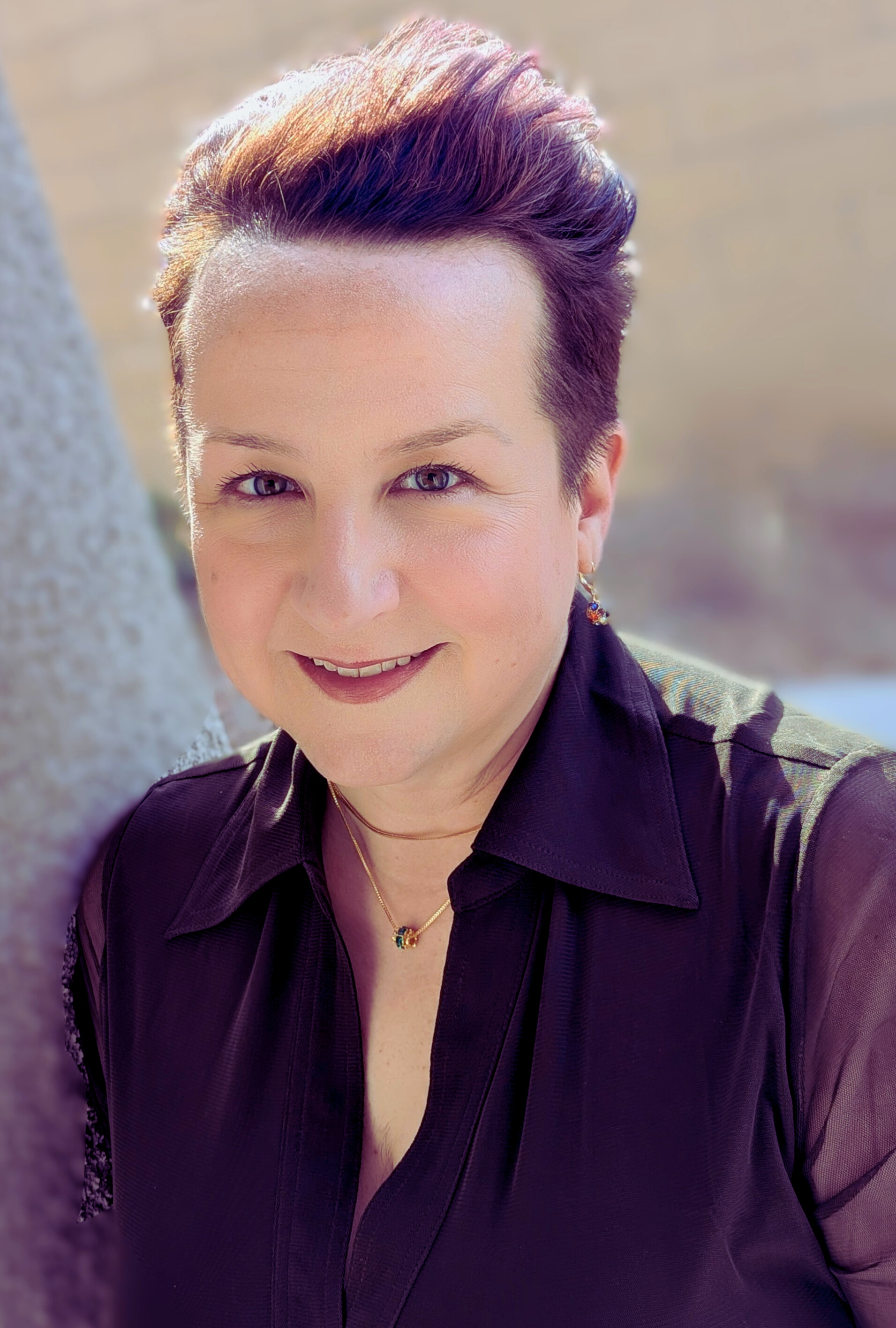
From Military Service to Mystery Writing – A Conversation with Kat Anderson

Kat Anderson

In this episode of The Billy Dees Podcast, Billy welcomes author and retired Air Force veteran Kat Anderson for a fascinating conversation that spans military service, storytelling, politics, mythology, and the enduring appeal of the unexplained. Anderson, whose debut novel No Rest for the Wicked is set against the vivid backdrop of Las Vegas, discusses her unique journey from a 20-year Air Force career to becoming a writer of paranormal noir fiction. Along the way, she shares insights into how life experiences, personal challenges, and curiosity about the unknown have shaped both her worldview and her creative work.

The discussion explores why people remain captivated by mysteries, conspiracies, and paranormal phenomena. Drawing on influences ranging from The X-Files to modern conversations about unidentified aerial phenomena, Anderson and Dees examine humanity’s desire to find meaning beyond the everyday. Their conversation balances skepticism and wonder, touching on government secrecy, public trust, and the enduring fascination with questions that may never have definitive answers.

Anderson also offers a thoughtful look at the themes behind No Rest for the Wicked. The novel blends detective fiction, mythology, supernatural elements, and reflections on time itself. Inspired in part by personal experiences caring for her father during his battle with Parkinson’s disease and dementia, Anderson explains how time became a central theme in her storytelling. Rather than serving merely as a science-fiction device, time functions as an emotional force within the narrative, shaping characters, memories, and the sense of mortality that touches every human life.

Beyond fiction, the conversation delves into Anderson’s experiences as a political commentator and her observations about today’s media landscape. She reflects on writing for political audiences, the changing role of podcasts in public discourse, and the importance of hearing diverse perspectives outside traditional media channels. Throughout the interview, Anderson demonstrates the same curiosity and independent thinking that inform both her commentary and her fiction.

Whether you’re interested in mystery novels, military stories, political discussion, or the deeper questions surrounding time and human nature, this episode offers an engaging and wide-ranging conversation. Kat Anderson’s journey from Air Force veteran to novelist highlights the power of reinvention, creativity, and the willingness to pursue passions that may have been set aside earlier in life. It’s a compelling discussion about storytelling, resilience, and the search for meaning in both fiction and reality.

Exploring Big Ideas Through Speculative Fiction – A Conversation with Diana Colleen

Diana Colleen

In this thought-provoking episode of The Billy Dees Podcast, Billy welcomes speculative fiction author Diana Colleen for a wide-ranging discussion that blends storytelling, philosophy, and current social issues. At the heart of the conversation is Colleen’s debut novel, They Could Be Saviors, a book built on a bold and provocative premise: what if saving the planet required confronting the immense power of billionaires? From the outset, the episode sets the tone for an open dialogue—one where differing viewpoints are not only acknowledged but explored with curiosity and respect.

A central theme of the discussion is the role of speculative fiction as more than just entertainment. Colleen explains that the genre—encompassing science fiction, dystopian narratives, and climate fiction (“cli-fi”)—is rooted in “what if” questions that challenge readers to reimagine the future. Rather than focusing solely on bleak, dystopian outcomes, she advocates for stories that offer hope and agency. In her view, the narratives we consume shape how we perceive what’s possible, and by presenting more optimistic futures, authors can inspire readers to believe that meaningful change is still within reach.

The conversation also dives into deeper societal debates, particularly around wealth inequality, innovation, and the influence of billionaires. While Colleen critiques the concentration of power and wealth as a systemic issue, Billy provides a counterbalance by highlighting the role of innovation and risk-taking in driving societal progress. What emerges is not a debate with winners and losers, but a nuanced exploration of how modern economies function—and where they may be falling short. The discussion touches on morality, incentives, and whether current systems encourage progress at the expense of broader human well-being.

Beyond economics and politics, the episode takes a philosophical turn, examining themes of human connection, empathy, and the growing sense of disconnection in modern life. From the impact of social media to the decline of community institutions, both Billy and Colleen reflect on how society has shifted—and what might be needed to restore a sense of shared humanity. Colleen introduces the idea of a “revolution of consciousness,” suggesting that meaningful change begins with how individuals see themselves and others, while Billy emphasizes the importance of empathy as a foundational human skill.

Ultimately, this episode is less about arriving at definitive answers and more about asking better questions. It invites listeners to grapple with complex issues—from climate change and technological influence to wealth and morality—through the lens of storytelling and dialogue. By the end, what stands out most is the willingness of both host and guest to engage thoughtfully across differences, offering a model for the kind of conversations that are increasingly rare, but deeply needed.