
The Power of the Spoken Word: How an Interview Impacted Me

This video is a personal reflection from Billy D’s on a moment when podcasting became more than content—it became connection. In a media landscape where podcasts are often used as marketing tools or personal platforms, Billy revisits his long-held belief that the spoken word can still serve a higher purpose: documenting the human condition. With roots in radio, journalism, and recorded storytelling, he has always viewed podcasting as an extension of that tradition—not a pursuit of fame, but a commitment to listening, learning, and bearing witness.

Billy Dees

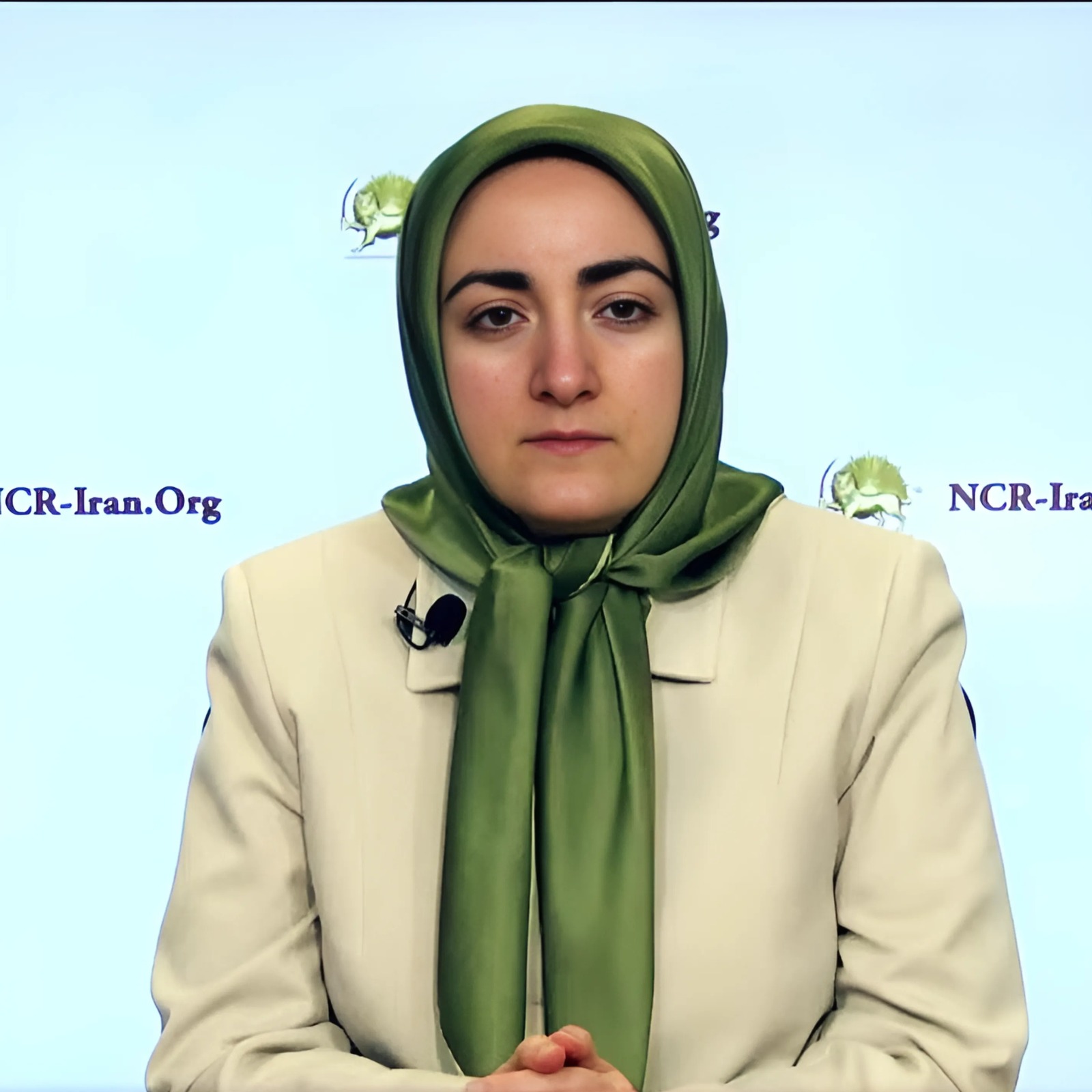
That belief was profoundly reinforced through a recent interview with Iranian human rights activist Zolal Habibi. Before the conversation, Billy approached the topic with the diligence of a journalist—researching her background, studying Iran’s history, and preparing to ask informed questions. What emerged during the interview was a clear and deeply unsettling picture of Iran’s past and present: life under the Shah, the revolution that followed, and how that movement was ultimately hijacked, leading to the authoritarian conditions Iranians face today. The episode aired as reports of state violence and atrocities were coming to light, giving the conversation an added sense of urgency and weight.

The response was immediate and overwhelming. Messages arrived from Iranians across the globe—from the UK and beyond—thanking Billy not for advocacy, but for accuracy. For providing context. For allowing their voices, hopes, and demands to be heard at a time when they feel largely ignored by mainstream media. Stories of families charged for the bullets used to kill their loved ones, hospitals unable to provide care, and professionals paralyzed by fear underscore the reality behind the headlines—details rarely discussed, yet essential to understanding the scale of suffering.

This experience left a lasting emotional impact. It reshaped Billy’s perspective, affected his daily disposition, and reinforced a sobering truth: despite internal divisions and online noise in the United States, the freedoms many take for granted are not universal. The video closes as both a reflection and a quiet appeal—a reminder of the power of informed conversation, the responsibility of storytellers, and the hope that through honest dialogue, awareness can still break through silence. In a world marked by too much suffering, this moment stands as proof that the spoken word, when used with care, still matters.

We are featuring the podcast itself here again for your convenience. A full post is available on this site. A list of social media and platform links for the Billy Dees Podcast is here.

The Billy Dees Podcast is available on all the major podcast carriers including many not specifically listed on our website.

Zolal Habibi – Iran – The Alternative and Democratic Change

Zolal Habibi

In this powerful episode of The Billy Dees Podcast, Billy sits down with Iranian human rights activist Zolal Habibi for an in-depth and deeply personal conversation about Iran’s past, present, and possible future. Zolal shares her extraordinary journey into activism, shaped by the loss of her father during the 1988 massacre of political prisoners, and explains her work with the National Council of Resistance of Iran (NCRI). The discussion provides crucial context many Americans may not be familiar with, challenging oversimplified narratives about Iran before and after the 1979 revolution and explaining how a popular uprising for freedom was ultimately hijacked by a far more brutal theocratic dictatorship.

The conversation explores the realities of life under authoritarian rule, the failures of both monarchy and the current regime, and why Iranians remain deeply skeptical of foreign intervention while still seeking international solidarity. Zolal outlines the NCRI’s vision for a secular, democratic republic rooted in human rights, gender equality, and the separation of religion and state. She also discusses the Ten-Point Plan championed by Maryam Rajavi, highlighting why women have emerged as a leading force in Iran’s resistance movement and how decades of organized opposition have laid the groundwork for meaningful change from within.

Billy and Zolal also address the urgency of the current moment: widespread protests, brutal crackdowns, internet shutdowns, mass arrests, and executions. They examine what meaningful international support could look like without repeating past mistakes, emphasizing accountability, recognition of the Iranian people’s right to resist tyranny, and an end to policies that embolden the regime. This episode is a sobering yet hopeful look at a generational struggle for freedom, offering listeners rare insight into the resilience of the Iranian people and the real possibilities for a democratic future if the world chooses to stand with them.

These are the sites Zolal Habibi refers to during the interview. maryamrajavi4change.com and ncr-iran.org/en/