What Italy’s Soccer Struggles Can Teach America About Education, Work and Critical Thinking

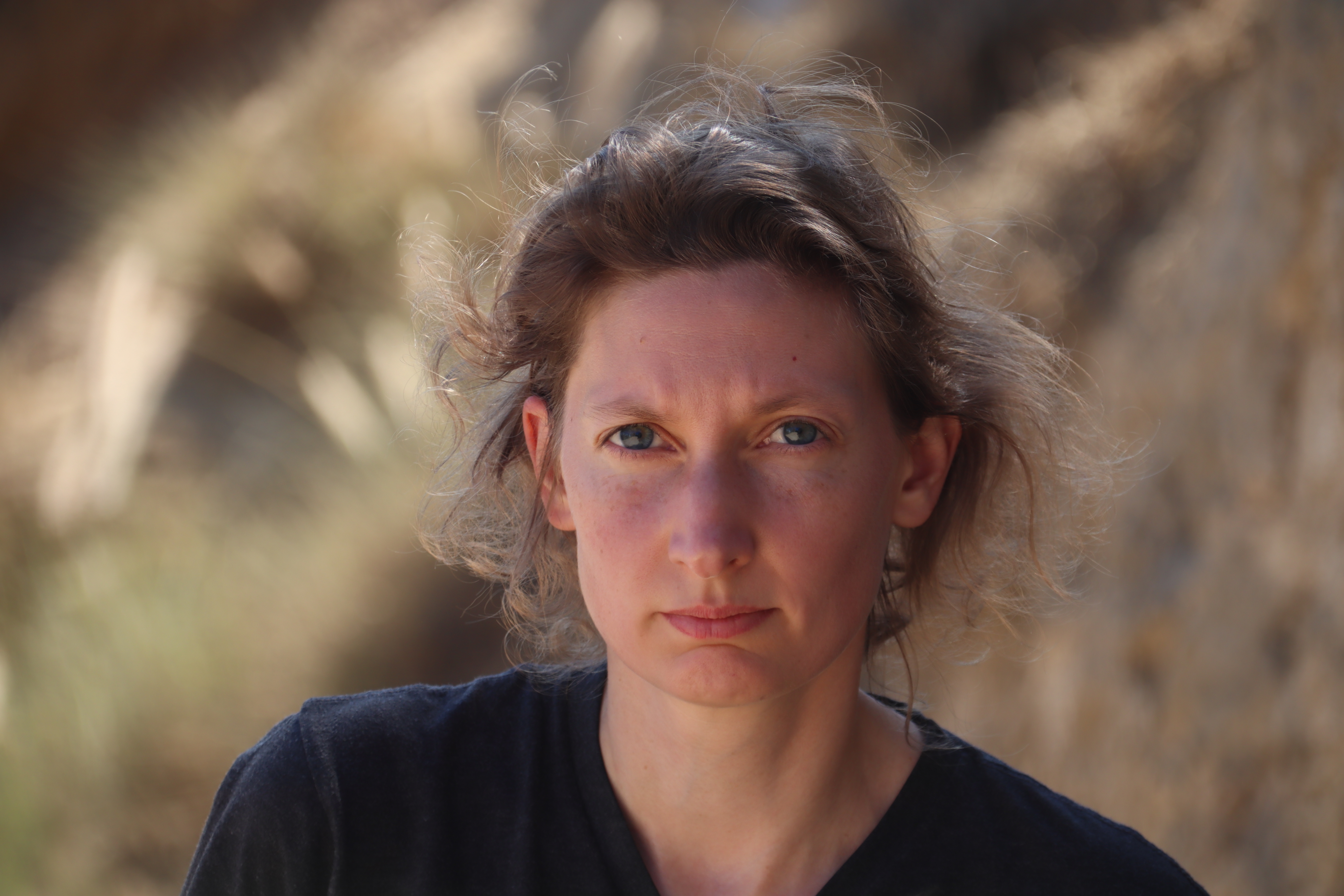
In a wide-ranging conversation on The Billy Dees Podcast, Billy Dees sits down with filmmaker and writer Sara Alessandrini for a discussion that begins with Italian soccer but quickly becomes a much larger examination of education, workplace culture, individualism, critical thinking, immigration, artificial intelligence and the challenges facing modern American society.

Alessandrini, who is originally from Italy and spent 11 years living in Los Angeles before moving to the New York area, approaches the conversation as an independent-minded observer rather than someone firmly aligned with either the political left or right. She explains that she is interested in ideas from both sides and believes the best approach is to examine what actually works rather than becoming trapped by political labels. That perspective becomes particularly important as the conversation moves between American and Italian institutions and cultures.

The Soccer Analogy

The discussion centers initially on Alessandrini’s Substack essay, “Italy’s Failure to Qualify for the World Cup Is a Warning to the United States, and It’s Not About Soccer.”

Italy has historically been one of the world’s great soccer nations, but Alessandrini points to the country’s repeated failure to qualify for the World Cup as evidence of deeper problems in how young players are developed. She discusses a major shift from a culture in which children developed their skills through hours of informal play toward a highly structured system in which coaches increasingly control how players behave on the field.

According to Alessandrini, the problem isn’t teamwork itself. Rather, it is what happens when teamwork becomes conformity. Young players can become so focused on following instructions, avoiding mistakes and doing what the coach expects that they lose the ability to take risks, improvise and think independently.

That distinction becomes the central metaphor of the interview: Are we developing people who know how to think, or people who simply know how to follow instructions?

From Soccer Fields to the Workplace

The soccer discussion leads directly into a conversation about American education and the modern workplace.

Alessandrini argues that she has observed a similar tendency among some American workers: an emphasis on procedures and instructions rather than problem-solving and independent thought. She describes situations from her professional experience in which employees were capable of following written instructions but struggled when they encountered a problem that wasn’t covered by those instructions.

For Alessandrini, that represents a fundamental weakness in education and workforce development. Memorizing information is not necessarily the same thing as understanding how a system works. Someone who understands the underlying system can adapt when circumstances change; someone who has simply memorized a procedure may be lost when the situation changes.

Billy Dees expands on that idea by discussing his own decades of experience in audio and media production. He points out that technicians from his generation often learned the fundamentals of electronics, signal flow, microphones and equipment before digital technology became dominant. As technology evolved, those fundamentals provided a foundation for learning new systems.

The conversation raises an important question for today’s workforce: What happens when people learn software without understanding the principles behind what the software is actually doing?

Is Higher Education Preparing People for Work?

The interview becomes particularly critical when Billy and Sara discuss American higher education.

Both question whether the traditional four-year college model is producing the kind of independent thinkers and skilled workers the economy needs. Alessandrini contrasts the American university system with the more specialized educational path she experienced in Italy, where students can receive considerably more focused training earlier in their education.

The discussion also addresses the enormous cost of American higher education and whether students are receiving enough practical value for the money they are spending.

Billy questions the assumption that everyone necessarily needs a traditional four-year degree, suggesting that education should be more directly connected to the profession or skill a person intends to pursue. Alessandrini adds her own experiences working with people in technical fields, including audiovisual production, where she encountered workers who had educational credentials but struggled with basic practical problem-solving.

The issue, she argues, isn’t simply whether someone has a degree. It’s whether that person knows how to learn.

Preparing for an AI-Driven Economy

That idea becomes even more important when the conversation turns to artificial intelligence.

Neither Billy nor Sara views AI simply as an apocalyptic threat. Instead, they see it as another major technological transformation that will change the nature of work.

If AI increasingly handles specific tasks, workers will need to be able to adapt, learn new skills and move between different kinds of work. Someone trained only to perform a narrow set of tasks could have a difficult time when those tasks disappear or change.

Alessandrini argues that learning how to learn may ultimately be more valuable than memorizing a fixed body of information. She points to her own career as an example: she has moved between different fields and continued developing new skills.

The lesson from the soccer analogy therefore becomes even more relevant: A successful system shouldn’t simply produce people who can execute today’s game plan. It should produce people capable of adapting when the game changes.

Immigration: Beyond the Political Talking Points

The conversation also moves into immigration, where Alessandrini argues that the debate is often reduced to two opposing extremes.

She points out that immigration serves multiple purposes and that the United States already has numerous categories of legal immigration, including employment-based visas, asylum, refugees and seasonal workers. The real question, she argues, should be what the country is trying to accomplish with its immigration system.

That leads to another theme running throughout the interview: before attempting to fix a system, define what the system is supposed to accomplish.

The same principle applies to education, immigration and healthcare. Without agreement about the desired outcome, political arguments tend to focus on competing slogans rather than practical solutions.

Looking at Other Countries Without Idealizing Them

One of the most interesting aspects of the conversation is that neither participant presents Italy as a perfect alternative to America.

Alessandrini repeatedly emphasizes that both countries have strengths and weaknesses. Her experience as an immigrant has given her an unusual perspective: she has lived within both systems and can compare them from personal experience.

She describes the United States as a country that gave her opportunities she believes would have been much more difficult to obtain in Italy. At the same time, she believes Americans can learn from successful elements of other countries.

That approach runs contrary to the tendency to treat political and cultural questions as competitions in which one country or ideology must be completely right and the other completely wrong.

The Larger Question: Can We Still Think for Ourselves?

By the end of the interview, the discussion has moved far beyond Italian soccer.

Billy and Sara talk about what they see as a growing tendency toward political and cultural tribalism, where people increasingly inhabit separate informational environments and sometimes appear to live in completely different versions of reality.

For Billy, one of the biggest losses has been what he describes as a former sense of “collective wisdom”—the idea that Americans could disagree strongly about solutions while still operating within the same basic understanding of reality.

Sara offers a somewhat more optimistic counterpoint. She reminds the audience that problems exist in every country and that people often see the best and worst of their own societies differently depending on their experiences.

That tension between optimism and skepticism gives the interview much of its character.

Ultimately, the conversation between Billy Dees and Sara Alessandrini isn’t really about soccer, college, immigration or even artificial intelligence individually. It is about how societies develop people—and whether those systems encourage curiosity, adaptability, competence and independent thought, or simply teach people to follow the rules of the system they happen to be in.

And that may be the most important question of all as education, employment and technology continue to change.

Podcasting Into Fall 2026 and Beyond

As we head into the fall season, I’m encouraged by where The Billy Dees Podcast stands. The past year has been one of our strongest in terms of audience growth, and it’s been rewarding to see the results of a deliberate, long-term strategy.

From the beginning, I’ve approached the podcast much like a traditional radio program. It isn’t a content marketing vehicle for another product or service—it is the product. That perspective has shaped every decision we’ve made over the past decade.

Several factors have contributed to our recent growth:

Building on a decade of consistency. With more than 10 years of publishing episodes, we’ve established a reputation for dependable, high-quality content and professional conversations.

Investing in podcast SEO. We’ve placed a greater emphasis on search optimization within the major podcast platforms, making it easier for new listeners to discover the show organically.

Prioritizing the audience experience. The podcast remains free across all major listening platforms and social media channels, including Substack. We also avoid interrupting the conversation with mid-roll advertising. Sponsor messages are limited to the beginning of each episode, allowing listeners to enjoy an uninterrupted discussion.

Respecting our audience’s time. Episodes average approximately 38 minutes and rarely exceed an hour, making them well-suited for commutes, workouts, and busy schedules.

Maintaining a professional editorial approach. The focus has always been on thoughtful interviews and informed commentary rather than outrage, personal attacks, or performative debate.

Growth in podcasting rarely happens overnight. It comes from consistently delivering value, refining your strategy, investing in discoverability, and respecting your audience.

I’m grateful to every guest who has shared their expertise and to every listener who has subscribed, shared an episode, or recommended the show to others. Thank you for being part of the journey. I’m looking forward to what we’ll accomplish together this fall.

Church, State, and the Forgotten Founder of Religious Freedom

Andrew Linn

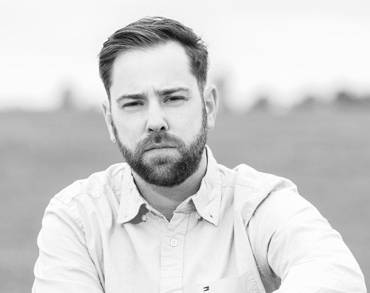
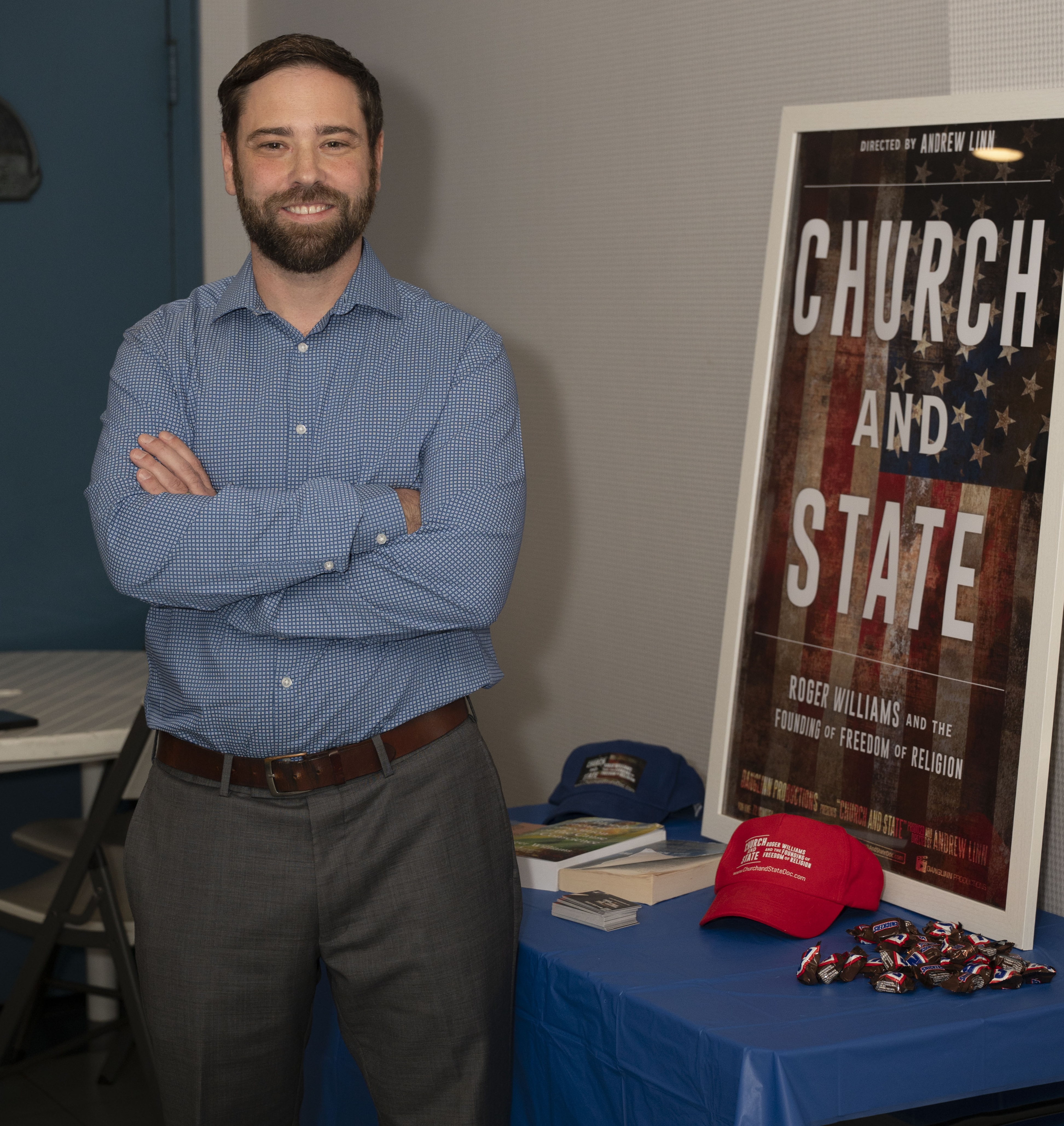
On this episode of The Billy Dees Podcast, Billy welcomes documentary filmmaker Andrew Linn to discuss his film Church and State: Roger Williams and the Founding of Freedom of Religion. The conversation explores one of the most frequently misunderstood concepts in American history—the separation of church and state—and the remarkable story of Roger Williams, a largely forgotten figure whose ideas helped shape religious liberty in the United States.

Linn explains that many Americans mistakenly interpret the separation of church and state as freedom from religion rather than freedom of religion. Through the story of Roger Williams, listeners learn how the founder of Rhode Island challenged the religious authorities of the Massachusetts Bay Colony and advocated for liberty of conscience at a time when dissent could lead to banishment or worse. Williams’ belief that faith could not be compelled by government became a cornerstone of the American experiment and helped establish one of the earliest examples of religious freedom in the world.

The discussion expands beyond history into the modern cultural and political landscape. Billy and Andrew examine the role of religion in public life, the influence of faith on the Founding Fathers, and the ongoing debate over how religious beliefs intersect with politics. They also explore the decline of traditional community institutions, the rise of cultural division, and the challenges of maintaining civil discourse in an increasingly polarized society.

Throughout the interview, Linn argues that understanding the true history behind religious liberty is essential to understanding America itself. Whether listeners are deeply religious, skeptical, or simply interested in history, this episode offers a thought-provoking examination of faith, freedom, and the principles that continue to shape public debate today. It’s a fascinating conversation that encourages listeners to look beyond modern talking points and revisit the historical roots of one of America’s most cherished freedoms.

This is the link to the Church and State Documentary Website where people can find several different ways to stream the Documentary and learn more info about the film. ChurchandStateDoc

Sidney Pines – Author of the Patriot’s Diary Series

Sidney Pines

In this episode of The Billy Dees Podcast, Billy sits down with author Sidney Pines, whose journey from political disengagement to conservative commentator inspired her bestselling Patriot Diary series. Pines describes herself as an “everyday American” who began noticing what she believed were inconsistencies in news coverage and government narratives during 2020. What started as personal research and journal entries for future generations eventually evolved into a published book series, beginning with Awakening: A Patriot’s Diary of American Deception and continuing with the recently released Golden Age Rising.

Throughout the conversation, Pines reflects on her political awakening and discusses how many Americans who previously paid little attention to politics found themselves drawn into national debates over the past several years. She argues that growing distrust in traditional institutions, media organizations, and government agencies has fueled interest in topics often labeled as conspiracy theories. Pines maintains that many issues once dismissed by mainstream commentators have later received broader public scrutiny, contributing to a growing skepticism among segments of the population.

Billy and Sidney also explore the increasing polarization in American society. Both note how political disagreements that once remained civil have, in many cases, evolved into deeply personal divisions among friends and family members. Pines emphasizes the importance of respectful dialogue and says she has little interest in forcing her views on others, preferring instead to share her perspective and allow people to reach their own conclusions. The discussion highlights concerns about how social media algorithms, partisan news coverage, and online echo chambers may reinforce existing beliefs rather than encourage open-minded discussion.

The conversation then turns to the changing media landscape. Billy discusses the decline of traditional broadcast news and the rise of podcasts and independent media as sources of information. Together, they examine the challenges of navigating a world where artificial intelligence, social media algorithms, and competing narratives make it increasingly difficult to determine what information can be trusted. While both acknowledge concerns about misinformation, they also see opportunities for alternative voices and independent creators to reach audiences outside traditional media channels.

The episode concludes with a discussion about the future of journalism, public discourse, and political commentary. Whether listeners agree with Sidney Pines’ viewpoints or not, the conversation offers a thoughtful look into the mindset of a growing segment of Americans who feel disconnected from mainstream institutions and are seeking alternative explanations for the events shaping the nation. It is an engaging discussion about belief, skepticism, media influence, and the evolving political landscape of modern America.

You can follow Sidney Pines on X @Sidney1776

LA Mayor Race – Insider’s Take on Politics, Homelessness, & Crime

On this episode of the Billy Dees Podcast, Billy welcomes filmmaker and frequent co-host Sara Alessandrini for a wide-ranging conversation about life in Los Angeles, the city’s mayoral race, homelessness, crime, political polarization, and the changing culture of America’s major cities.

Sara Alessandrini

Drawing from her firsthand experience living and working in Los Angeles for more than a decade, Sara offers an on-the-ground perspective rarely heard in mainstream political commentary. From managing historic Hollywood properties to navigating homelessness encampments, public safety concerns, and the realities of city life, she shares stories that paint a vivid picture of a city struggling with identity, infrastructure, and leadership.

Billy and Sara also explore the broader political climate surrounding California and New York, discussing figures like Gavin Newsom, Karen Bass, and Los Angeles mayoral candidate Spencer Pratt. Their conversation examines how progressive politics, public policy, and cultural shifts are shaping America’s urban centers, while also touching on deeper issues such as mental health, addiction, family breakdown, and the erosion of community life.

The episode also highlights Sara’s documentary project, This Is What New Yorkers Say, as she discusses her move from Los Angeles to New York and her continuing work as a filmmaker and political commentator. Whether you are interested in politics, urban culture, media, or simply hearing honest conversations about the challenges facing modern cities, this episode delivers an engaging and thought-provoking discussion.

You can find Sara on X @diswhatnyerssay and visit her website.

Exploring Culture, Politics, and Critical Thinking – A Conversation with Nicole Nathern-Hedrick

In this episode of the Billy Dees Podcast, the conversation blends commentary and interview in a way that reflects the show’s core identity—thoughtful, conversational, and grounded in real-world perspectives. Billy welcomes Nicole Nathern-Hedrick, a rising voice on TikTok and social media, where she shares commentary centered on faith, traditional values, and cultural analysis. What unfolds is a wide-ranging discussion that touches on politics, media, language, and the psychological forces shaping modern discourse.

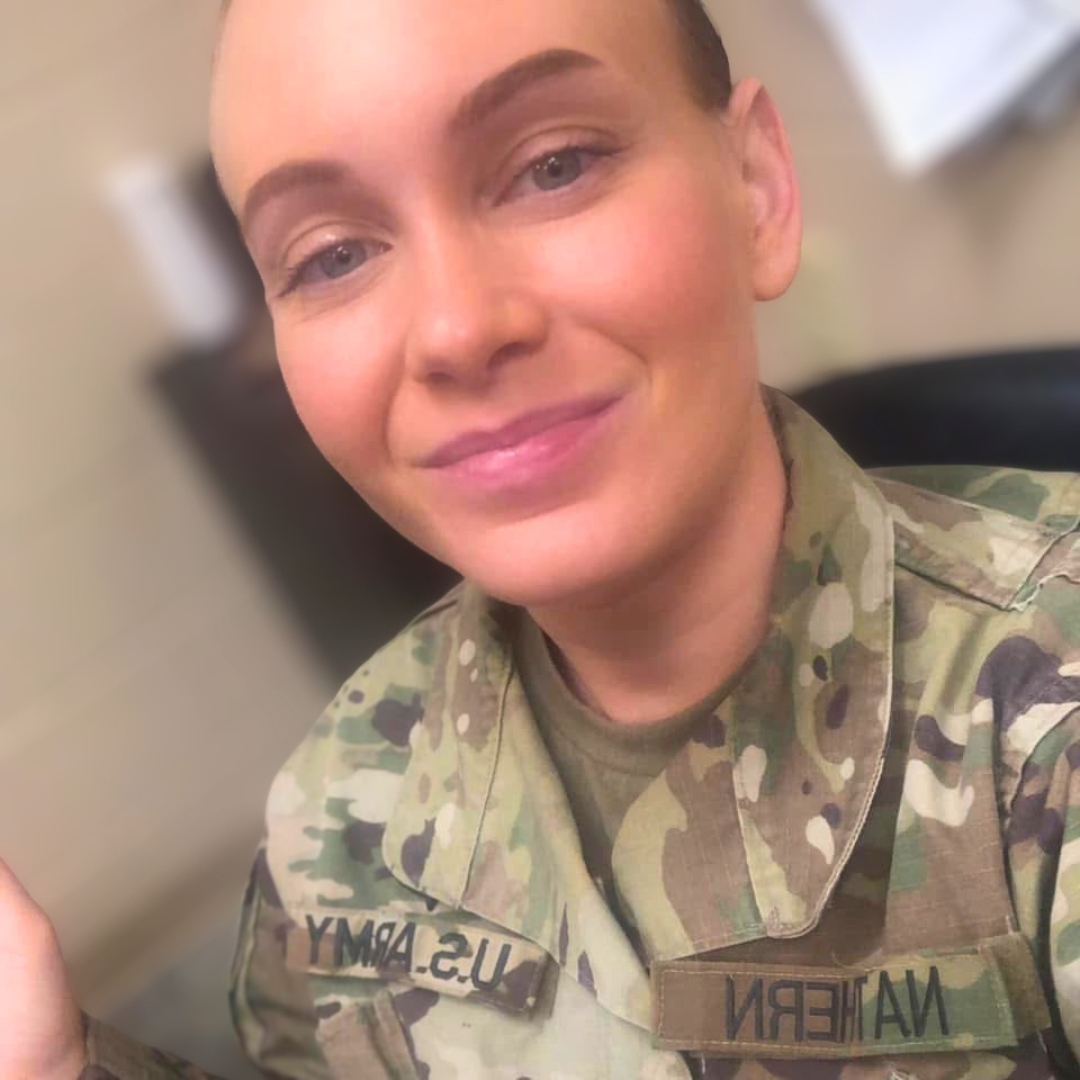
Nicole’s background adds an important dimension to the conversation. A former member of the U.S. Army, she speaks candidly about how her service influenced her worldview, maturity, and sense of responsibility. Like many Americans, she describes her political awareness as something that developed over time—particularly during the turbulent years around 2019 and 2020. Rather than adopting rigid ideological labels, she frames her perspective as evolving, shaped by observation and lived experience rather than strict partisan alignment.

A central theme throughout the episode is the power of language and how it influences perception. Nicole discusses what she sees as a shift in how words are used in public discourse—arguing that language is increasingly being shaped in ways that can divide rather than clarify. She connects this idea to broader concerns about social trust, cultural polarization, and the ways information is presented in the digital age. The conversation explores how emotionally charged messaging often replaces nuanced discussion, making it harder for people to engage in objective analysis.

The discussion also ventures into deeper territory with Nicole’s concept of what she calls the “architecture of thought reform.” Drawing from personal observation and academic study, she outlines patterns she believes are present in modern culture, including emotional manipulation, isolation, and the use of loaded language. Whether listeners agree or disagree, the segment highlights a broader concern shared by many today: how media environments and online platforms shape not just opinions, but the way people think.

Find Nicole on TikTok

Billy and Nicole also examine the role of social media—particularly platforms like TikTok—in shaping public conversation. Nicole emphasizes her intention to present ideas in a calm, neutral tone, encouraging viewers to think critically rather than react emotionally. This approach, she suggests, is part of why her content resonates with a growing audience. The episode underscores how independent creators are carving out space for alternative perspectives in an increasingly crowded digital landscape.

Another key thread in the conversation is the importance of maintaining composure in difficult discussions. Nicole shares practical strategies, such as journaling and preparing thoughtful responses, to help individuals stay grounded when faced with emotionally charged debates. The idea of “not taking the bait” becomes a recurring theme—an appeal for more intentional, reflective engagement rather than reactive exchanges.

Ultimately, this episode offers a snapshot of the broader cultural moment: a time marked by rapid change, heightened emotion, and competing narratives about truth and identity. Through their dialogue, Billy Dees and Nicole Nathern-Hedrick invite listeners to step back, examine assumptions, and consider how they engage with the world around them.

Whether you’re interested in cultural commentary, political discussion, or the psychology behind modern communication, this episode delivers a thought-provoking conversation that encourages deeper reflection—and perhaps a more measured approach to the noise of everyday discourse.

Zolal Habibi – Iran – The Alternative and Democratic Change

Zolal Habibi

In this powerful episode of The Billy Dees Podcast, Billy sits down with Iranian human rights activist Zolal Habibi for an in-depth and deeply personal conversation about Iran’s past, present, and possible future. Zolal shares her extraordinary journey into activism, shaped by the loss of her father during the 1988 massacre of political prisoners, and explains her work with the National Council of Resistance of Iran (NCRI). The discussion provides crucial context many Americans may not be familiar with, challenging oversimplified narratives about Iran before and after the 1979 revolution and explaining how a popular uprising for freedom was ultimately hijacked by a far more brutal theocratic dictatorship.

The conversation explores the realities of life under authoritarian rule, the failures of both monarchy and the current regime, and why Iranians remain deeply skeptical of foreign intervention while still seeking international solidarity. Zolal outlines the NCRI’s vision for a secular, democratic republic rooted in human rights, gender equality, and the separation of religion and state. She also discusses the Ten-Point Plan championed by Maryam Rajavi, highlighting why women have emerged as a leading force in Iran’s resistance movement and how decades of organized opposition have laid the groundwork for meaningful change from within.

Billy and Zolal also address the urgency of the current moment: widespread protests, brutal crackdowns, internet shutdowns, mass arrests, and executions. They examine what meaningful international support could look like without repeating past mistakes, emphasizing accountability, recognition of the Iranian people’s right to resist tyranny, and an end to policies that embolden the regime. This episode is a sobering yet hopeful look at a generational struggle for freedom, offering listeners rare insight into the resilience of the Iranian people and the real possibilities for a democratic future if the world chooses to stand with them.

These are the sites Zolal Habibi refers to during the interview. maryamrajavi4change.com and ncr-iran.org/en/