Perfect Media Productions, LLC is a media production and digital marketing service. We produce audio for radio, podcasts, and voice-overs. We also record and/or edit video for websites and social media.
This is the production home of the Billy Dees Podcast and other great podcasts.
Our blog section features a variety of topics including media, business, and pop culture.
When people think about marketing, public appearances, political campaigns, or building a personal brand, they naturally tend to focus on the visuals. Cameras, lighting, graphics, staging, and presentation all get plenty of attention.
But there is another part of the equation that can make or break how you are perceived: audio.
In this video, I take a technical—and decidedly non-political—look at a recent video of Amy Acton that circulated online and became the subject of criticism from her opponents. My point isn’t about politics or about taking sides. It’s about what happened to the sound, and what could have been done differently.
Oddly enough, many Acton supporters who are defending this clip don’t fully understand what went wrong.
Live events create a complicated audio environment. The sound that works for an audience sitting in an auditorium isn’t necessarily the sound that should be sent to television, social media, or other media outlets. A live audience has its own acoustics, crowd noise, applause, cheering, and the natural sound coming from the stage. The media feed needs to be mixed separately so that the person speaking—and the reaction of the audience—sound natural and balanced.
In the example discussed in the video, the speaker’s microphone is isolated and sounds noticeably different from what you would expect when someone is addressing a crowd. A properly designed media mix could have combined the speaker’s microphone with strategically placed ambient microphones, creating a much more natural representation of the event.
And that’s the larger lesson.
Poor audio can make a good presentation look bad.
Whether you’re a business owner, CEO, political candidate, public speaker, nonprofit leader, or someone building a personal brand, everything you say is part of your brand. If the audio sounds harsh, thin, distorted, overly isolated, or disconnected from the environment, the audience may not consciously understand what’s wrong—but they will notice that something doesn’t sound right.
I’ve spent a good portion of my career working with audio, and I realize that people like me are sometimes dismissed as “audio geeks.”
That’s okay.
But when you’re putting yourself, your company, your campaign, or your organization in front of an audience, it might be worth listening to the audio geeks before the bad recording becomes the thing everyone remembers.
You can subscribe to the Billy Dees Podcast with no paywalls on your favorite podcast platform.
Mike Scalere
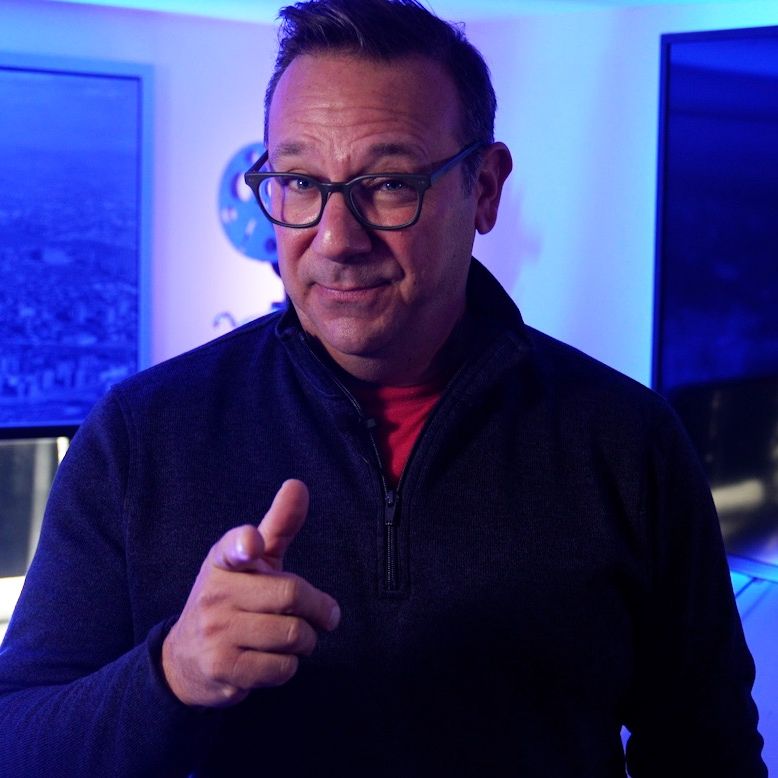
There’s something timeless about talking with people who genuinely love movies. Not just the latest blockbuster, but the history, technology, storytelling, and artistry that have shaped film for more than a century. That’s exactly what happened when I sat down with filmmaker and film historian Mike Scalere.
Mike studied cinema at NYU, spent two decades working in television with HBO and The History Channel, and now produces thoughtful film content through his Scolarious platform. What followed wasn’t simply a discussion about favorite movies—it became a journey through the evolution of cinema itself and why great storytelling continues to matter in an era dominated by streaming, social media, and artificial intelligence.
The Magic Behind the Movies
Like many filmmakers, Mike’s fascination with movies began as a child. An Industrial Light & Magic book showing how Star Wars and Indiana Jones created their visual effects sparked a lifelong curiosity.
Instead of ruining the illusion, learning how films were made only deepened his appreciation. That sense of wonder remains central to our conversation: understanding the craft doesn’t diminish the magic—it enhances it.
Hollywood’s Golden Age
Our discussion explored how World War II unintentionally accelerated filmmaking technology. Cameras originally designed for military use eventually found their way into film production, while advances in sound recording and photography transformed Hollywood.
The post-war years created what many consider cinema’s Golden Age. Families flocked to theaters because movies weren’t just entertainment—they were an event. Before television became widespread, theaters offered newsreels, comedy shorts, cartoons, and feature films all in one experience.
Mike pointed out an interesting historical irony: early Hollywood executives were actually skeptical of color films because audiences associated color with cartoons. Black-and-white represented “reality,” while color seemed too fantastical—until films like The Wizard of Oz forever changed public perception.
Television Changed Everything
The arrival of television in the 1950s forced Hollywood to rethink its approach.
Instead of trying to imitate television, movie studios doubled down on spectacle. Wider screens, CinemaScope, VistaVision, Technicolor, stereophonic sound, and epic productions gave audiences something they simply couldn’t experience at home.
As we discussed, cinema didn’t lose to television—it evolved because of it.
Television excelled at live broadcasts. Whether it was The Ed Sullivan Show, the moon landing, or breaking news, TV owned immediacy. Movies responded by becoming larger, grander, and more immersive.
The Rise of More Mature Storytelling
The 1960s brought another transformation.
With the gradual end of the Hays Code, filmmakers began tackling more complex adult themes. Rather than relying solely on clear-cut heroes and villains, audiences embraced morally complicated characters and realistic storytelling.
Films such as Midnight Cowboy and The Good, the Bad and the Ugly reflected a changing culture, while television remained constrained by broadcast standards.
We also discussed how events like the assassination of President Kennedy fundamentally changed television news, planting the seeds for today’s 24-hour news cycle while cinema continued pushing artistic boundaries.
The Incredible Run of the 1970s
For many film lovers—including both of us—the 1970s may represent one of cinema’s greatest decades.
The Godfather, Jaws, Star Wars, and countless other classics fundamentally changed filmmaking.
Mike offered fascinating insight into why Jaws worked so well. The famous mechanical shark frequently malfunctioned, forcing Steven Spielberg to hide it rather than show it. Ironically, what began as a production problem became one of the film’s greatest strengths. Sometimes what audiences don’t see is more terrifying than what they do.
Our conversation also touched on Spielberg’s remarkable visual storytelling, John Williams’ unforgettable music, and how practical filmmaking techniques continue influencing directors today.
VHS, Home Theater, and the Digital Revolution
Few topics generate more nostalgia than the VHS versus Beta debate.
We explored why VHS ultimately won despite Beta’s technical superiority. Licensing strategies, affordability, convenience, and market saturation all played significant roles.
That naturally led into discussions about LaserDisc, DVD, Blu-ray, surround sound, and the rise of home theater during the 1990s.
While technology dramatically improved the home viewing experience, great films like Forrest Gump, Pulp Fiction, Saving Private Ryan, Titanic, and The Shawshank Redemption proved audiences still craved unforgettable stories.
Streaming Didn’t Kill Movies
Many predicted streaming would permanently replace theaters, especially during the COVID pandemic.
Mike doesn’t believe that happened.
Instead, he argues that audiences still want communal experiences.
Movies like Top Gun: Maverick, Barbie, Oppenheimer, and other major theatrical events reminded everyone why seeing a film on the big screen remains special.
Streaming offers convenience.
Theaters offer shared experiences.
Those two things aren’t necessarily in competition.
Practical Effects Still Matter
One of our favorite topics was the continued appeal of practical filmmaking.
Whether discussing Ben-Hur’s legendary chariot race, Christopher Nolan shooting The Odyssey on large-format film, or Tom Cruise performing his own stunts, we agreed there’s something audiences instinctively recognize when what they’re watching is real.
Computer-generated imagery certainly has its place, but practical filmmaking creates a sense of authenticity that’s difficult to replicate.
Artificial Intelligence and the Human Element
Perhaps the most thought-provoking part of our conversation centered on AI.
Mike expressed concern that artificial intelligence risks removing the human element from filmmaking.
Behind every great movie are countless people making creative decisions—writers, directors, actors, editors, cinematographers, composers, lighting crews, and production teams.
Those human choices give films personality.
While AI may become another useful production tool, replacing creativity altogether would sacrifice much of what makes cinema meaningful in the first place.
The Next Generation of Filmmakers
One encouraging trend Mike highlighted is the emergence of filmmakers who built audiences on YouTube and social media before transitioning into feature films.
Rather than simply uploading longer online videos, many are embracing traditional storytelling while bringing fresh ideas and entirely new audiences into theaters.
Every generation shapes cinema differently.
Today’s creators may very well define tomorrow’s classics.
Why Movies Continue to Matter
At its heart, this conversation wasn’t really about cameras, formats, or special effects.
It was about storytelling.
Technology will continue changing. Distribution models will evolve. New platforms will emerge.
But compelling stories—told by passionate creators—continue connecting people across generations.
As Mike says, “Film is about community.”
Whether you’re discussing Ben-Hur, Star Wars, Jaws, The Godfather, or the latest theatrical release, movies become meaningful because they give us something to talk about long after the credits roll.
That’s why cinema has survived every challenge thrown at it over the past century—and why it will likely continue evolving for many years to come.
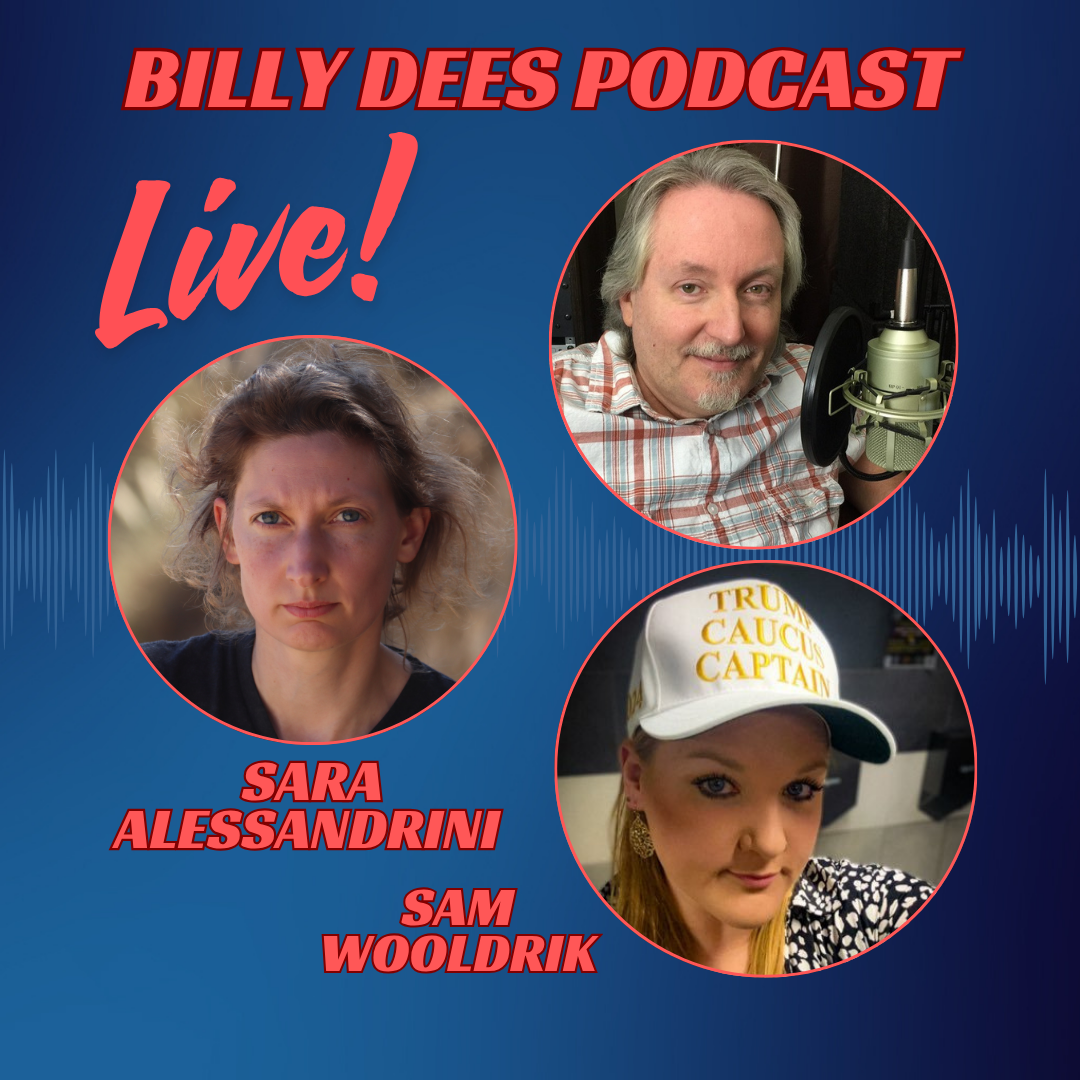
This live episode (Mar 19, 2026, 8:00pm EST) of The Billy Dees Podcast brings together host Billy Dees, filmmaker and commentator Sara Alessandrini, and podcaster Sam Wooldrik for a wide-ranging, unscripted discussion that reflects the fast-moving and often chaotic nature of today’s media and political landscape.
The conversation moves fluidly across major global and domestic issues—including tensions with Iran, immigration policy, and the ongoing intrigue surrounding the Epstein case—while also examining how these topics are shaped, distorted, and amplified by modern media and the podcasting space itself. At its core, the episode explores how public discourse has become increasingly polarized, emotional, and, at times, disconnected from nuance or reality.
Clip from the Episode
Throughout the discussion, each guest brings a distinct perspective shaped by their background and experience. Alessandrini offers an international lens, emphasizing the complexity of global events and the importance of understanding cultural context, while Wooldrik provides insight into the evolving podcast ecosystem and the challenges of navigating misinformation, sensationalism, and audience expectations.
Billy Dees anchors the conversation with a focus on media responsibility and the need for balanced, thoughtful dialogue. Together, they highlight a central tension of the modern era: the struggle to maintain credibility, reason, and meaningful conversation in an environment increasingly driven by outrage, virality, and competing narratives.
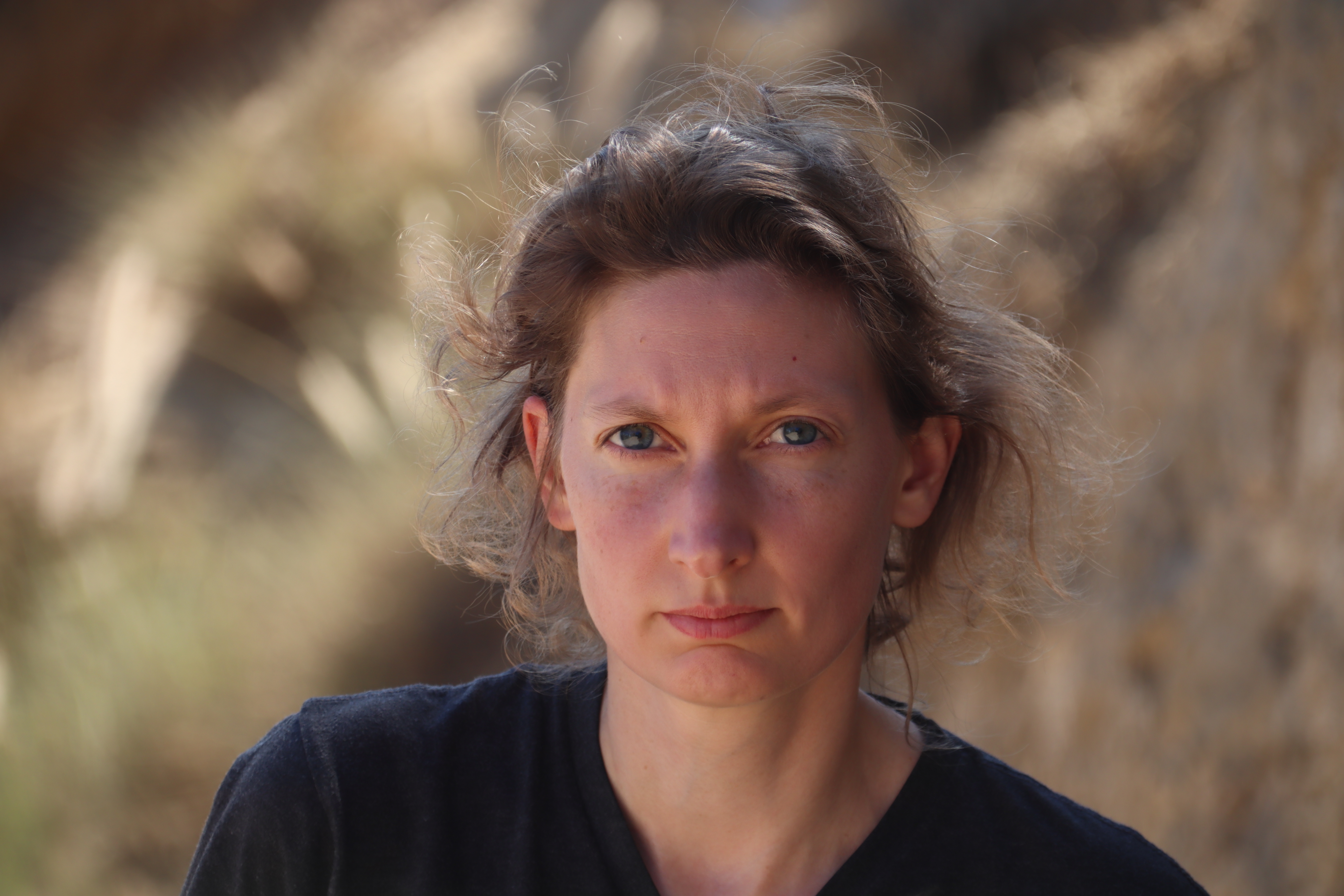
In this episode of The Billy Dees Podcast, Billy sits down with Italian filmmaker and social commentator Sara Alessandrini for a wide-ranging, thoughtful discussion that cuts to the heart of today’s political and cultural tensions. Sara is the creator of the docu-series This Is What New Yorkers Say, a multi-episode project examining the rise and fall of former New York Governor Andrew Cuomo, the role of legacy media, and the broader consequences of a culture increasingly driven by outrage rather than evidence. What begins as a discussion about one political figure quickly evolves into a much deeper examination of media narratives, public opinion, and the erosion of nuanced discourse.
Sara shares her journey from Italy to the United States, explaining why America’s openness to reinvention, entrepreneurship, and reinvention drew her in. From that international vantage point, she offers a perspective that many Americans rarely hear—one shaped by lived experience in Europe, where government systems, labor protections, immigration policies, and social safety nets often function very differently than how they are idealized in U.S. political debates. Throughout the conversation, she challenges both left- and right-wing orthodoxies, arguing that good intentions do not always lead to good outcomes, especially when long-term consequences are ignored.
At the center of the discussion is Sara’s documentary work on Cuomo and the broader implications of how accusations are handled in the court of public opinion. She raises difficult but necessary questions about due process, the limits of movements like #MeToo, and what happens when standards are lowered to the point where perception outweighs evidence. Billy and Sara explore how media amplification can rapidly transform public figures from heroes to villains, often without space for facts, context, or proportionality. The conversation also expands into topics like political polarization, the breakdown of shared reality, immigration, socialism versus capitalism, and the growing sense that society has lost the ability to have honest, good-faith disagreements.
This episode is not about defending any one politician or ideology—it’s about encouraging critical thinking, resisting manipulation, and reclaiming the ability to ask uncomfortable questions without fear of social exile. Thought-provoking, candid, and at times challenging, this conversation is a must-listen for anyone concerned about the future of media, democracy, and civil discourse. Sara Alessandrini brings a rare blend of intellectual honesty and international perspective, making this a substantive and reflective episode.
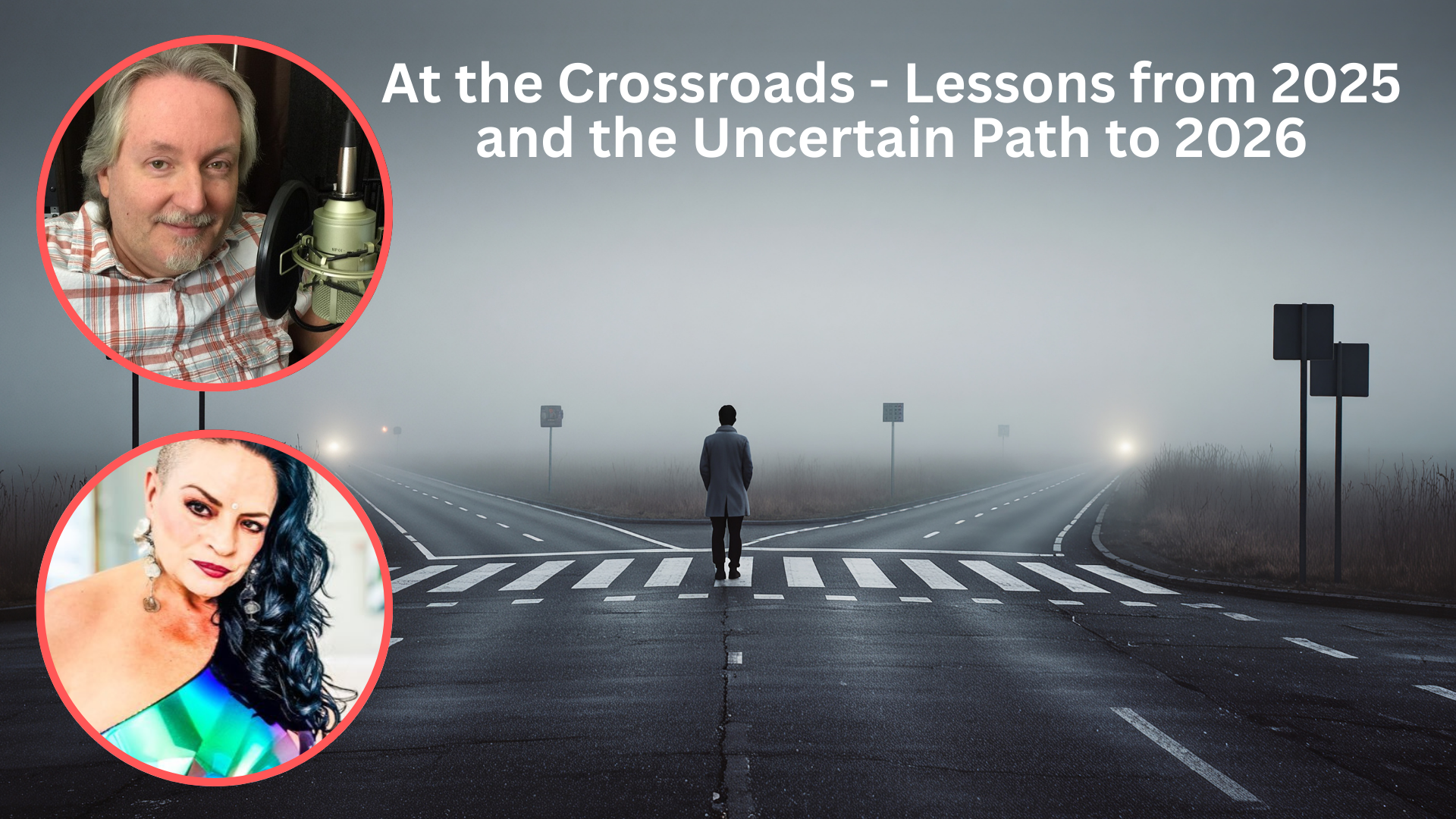
This episode of The Billy D’s Podcast brings back fan-favorite co-host Cynthia Elliott for a wide-ranging, thought-provoking conversation about where we’ve been—and where we’re headed.
Recorded at the end of a turbulent year, Billy and Cynthia reflect on the unpredictability of 2025 and look ahead to what 2026 may hold. With a mix of realism and cautious optimism, they explore the growing sense of unease many people feel, shaped by nonstop news cycles, cultural shifts, and rapid technological change.
At the heart of the discussion is artificial intelligence—its promise, its risks, and its unavoidable impact on jobs, mental health, and society at large. Cynthia draws on her work as an intuitive and founder of the SoulTech Foundation to unpack how AI could drive medical breakthroughs, reshape the workforce, and accelerate the Fourth Industrial Revolution, while also raising serious concerns about unemployment, regulation, and human purpose. The conversation goes beyond technology, touching on universal income, the mental health crisis, and why emotional intelligence and consciousness must evolve alongside machines if society is going to remain stable.
The episode also dives into broader cultural and geopolitical themes, including energy breakthroughs, the new space race, social media burnout, Hollywood’s declining influence, and the growing divide between toxic online narratives and real-world human connection.
Billy and Cynthia don’t shy away from uncomfortable topics—whether it’s political polarization, gender dynamics, or the erosion of community—but they approach them with candor and depth.
The result is a compelling end-of-year conversation that challenges listeners to think critically about the future, their own awareness, and what it will take to navigate the years ahead.
Ready to navigate the shifting landscape of cable news and reflect on the legends of our generation? In this week’s episode of the Billy Dees Podcast, titled “Cable News, Hackman, & More Media Stuff!”, we’re unpacking some thought-provoking discussions that you won’t want to miss!
The Reality of Cable News:
Billy Dees takes a deep dive into the recent changes in broadcasting and the delicate balance that comes with discussing controversial topics. Explore the economics behind the business of free speech and what it means for commentators like Joy Reid.
Remembering Legends:
Hear Billy’s heartfelt thoughts on the passing of icons like Gene Hackman. Why do their departures resonate with so many of us? It’s a conversation that touches on mortality and the personal connections we build through entertainment.
The State of Government & Customer Service:
Billy challenges conventional wisdom about business practices in the public sector. Why do some passionate individuals take up roles in government despite the allure of higher salaries in the private sector? Discover the motivations that drive these dedicated public servants.
Don’t miss out on this engaging discussion! Tune in now to elevate your understanding of the media landscape and reminisce about the celebrities that shaped our lives.
Stay curious, keep listening, and let’s dive into the world of media together!
Best,
The Billy Dees Podcast Team
P.S. Join us on social media and let us know your thoughts about the episode. We love hearing from you!
We are entering a new era regarding news and information gathering and processing.
As the 2024 election looms, it is increasingly harder to trust traditional sources of news which are increasingly backed by large conglomerates with political agendas. Moreover, as AI advances and becomes more accessible, what is real and what isn’t is much more difficult to distinguish.
Celebrity culture is crumbling. Although there are rich and famous people who are well intentioned, it is becoming more transparent to the masses that many influential people are either driving an agenda of their own or are simply just morons.
Over the past 10 years and certainly since 2020, podcasters and other independent creators on what may be termed “new media,” have become increasingly important in terms of how we gather information and process it.
The recent changes to X, formerly known as Twitter, such as much less suppressed posts and the ability to post long-form content, have opened a revamped and accessible platform to many voices who don’t necessarily have technical or media-based skills. I would argue even if you are not a fan of X, the newly opened up platform has pressured other social media platforms to alter their restrictive algorithms and manage the free flow of information better for everyone.
Regarding podcasts, according to Backlinko, there are over 464 million podcast listeners worldwide. The average listener spends about 7 hours per week on podcast apps. Episodes between 20 and 40 minutes seem to dominate the field. Listenership transcends gender, with women slightly edging out men 48% vs. 43%.
Established podcasts are poised to be a major factor in the American 2024 election. Podcasts can be listened to “on demand” to fit the listener’s schedule and do not require the audience’s complete attention. You can listen to a podcast while you are pretty much doing anything.
This may be why certain campaigns are getting their candidates on podcasts and new media. The RFKjr campaign has been very aggressive in this regard. This may explain why his numbers are weaker with older age groups who still get their information almost exclusively from legacy media such as cable news.
Trump has been on podcasts although what might have been his true participation level is hard to gauge since much of his time has been occupied with legal entanglements. Biden, who needs to reach younger demographics, has been seemingly hesitant to the idea of making the podcast rounds. Some of his critics would argue that he has tried to avoid engaging with any type of media.
My opinion and analysis of this is that currently, a mix of new and old media is necessary to help a campaign. Older demographics may not spend much time with new media, but they most certainly vote. That being the case, marketing and advertising efforts needs to include legacy media.
Also, as with traditional advertising such as radio, I am still a believer that it can be effective although the strategy has changed. Radio and TV are good for branding and getting your name out there.
Once the name recognition begins to kick in and people start doing searches, that is when the role of a solid plan for online content is of paramount importance. The digital media needs to be abundant and engaging and this need is easily filled with well produced podcasts.
I would only add that I would not limit myself to any type of media or news source. Listen to various opinions and analysis, don’t limit yourself to what fits your own disposition.
A great way to widen your information horizon is with a podcast. This is especially true of podcasts produced by independent creators. They are the ones who built the medium. It may be well worth your while to find some good ones.