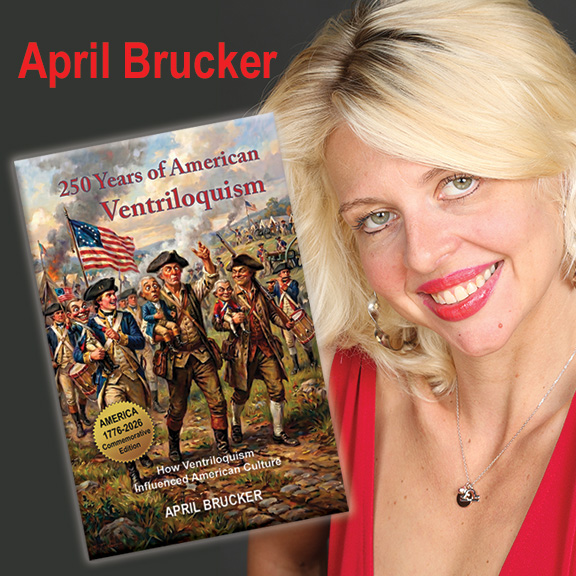
250 Years of American Ventriloquism – More Than Talking Dummies with April Brucker

Most people think of ventriloquism as a novelty act—a performer with a puppet delivering jokes from a comedy stage. But according to author, comedian, actress, and professional ventriloquist April Brucker, the art form has played a much larger role in American history than most people realize. On this episode of The Billy Dees Podcast, Billy sits down with April to discuss her fascinating new book, 250 Years of American Ventriloquism: How Ventriloquism Influenced American Culture, and the surprising ways ventriloquism has shaped entertainment, broadcasting, politics, and popular culture.
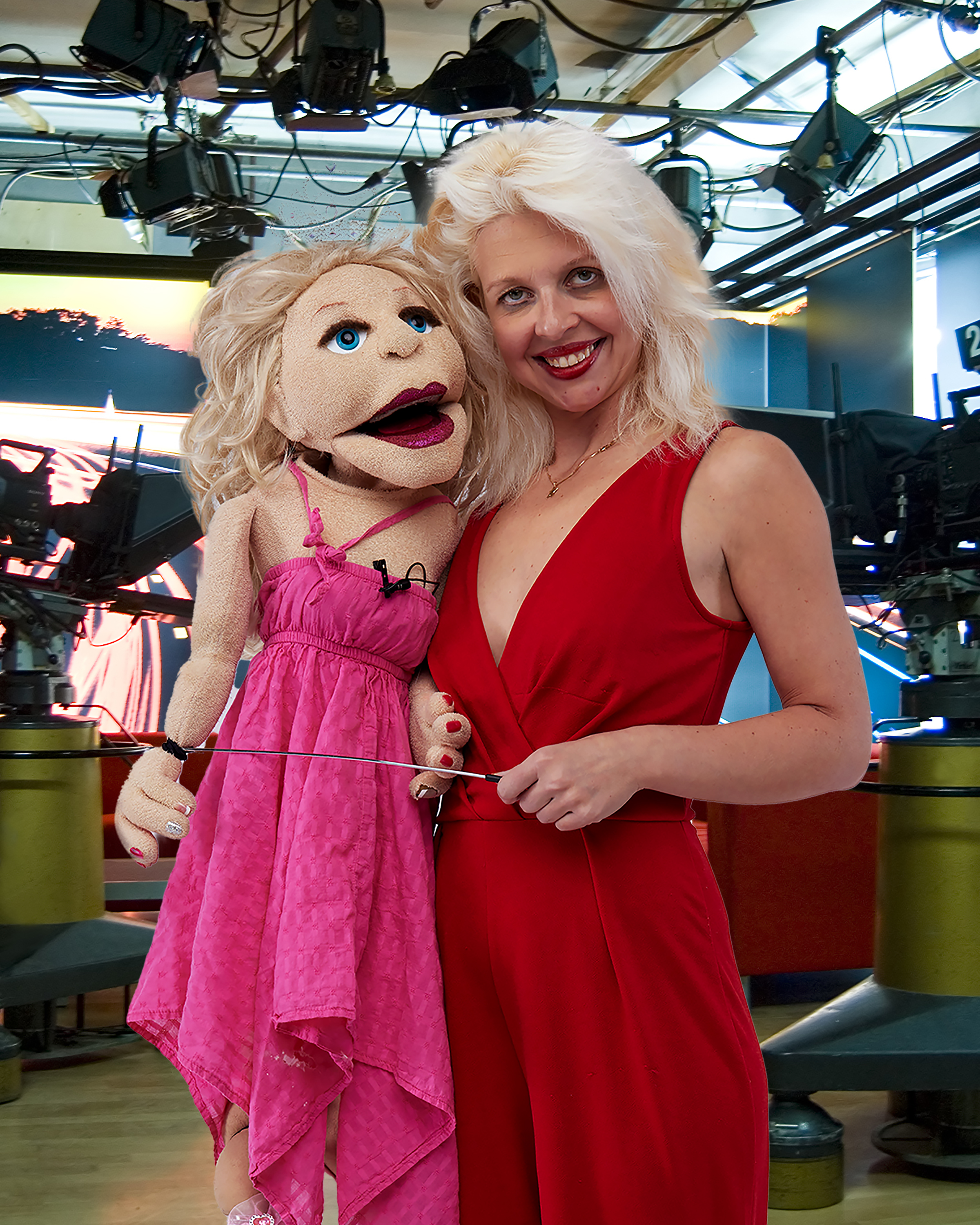
The conversation explores the rich history of ventriloquism, tracing its influence from early American medicine shows and vaudeville stages to the golden age of radio and television. April explains how legendary performers such as Edgar Bergen and Charlie McCarthy helped redefine broadcasting, while later icons like Shari Lewis, Paul Winchell, and Willie Tyler expanded the art form into children’s programming and mainstream entertainment. Along the way, listeners will discover remarkable historical stories, including the groundbreaking career of Richard Potter, one of America’s earliest celebrity entertainers.

The interview also highlights April’s own journey into ventriloquism. From growing up in western Pennsylvania without cable television to becoming a nationally recognized performer appearing on Judge Jerry, My Strange Addiction, and What Would You Do?, she shares how persistence and passion helped build her career. The episode features appearances from her wisecracking puppet Mae Wilson, whose humor demonstrates why puppets often get away with saying things that people cannot. Their exchanges provide some of the funniest moments of the conversation while illustrating the timeless appeal of character comedy.

Billy and April also discuss how artificial intelligence, digital avatars, and emerging technology may influence the future of entertainment. Rather than seeing AI as a threat, April argues that ventriloquists have always embraced innovation while maintaining the uniquely human connection that live performance offers. The discussion touches on the psychology behind puppets, why audiences form emotional connections with them, and why ventriloquism continues to thrive despite changing media landscapes.

Whether you’re a fan of comedy, broadcasting history, live performance, or simply enjoy uncovering overlooked stories from American culture, this episode offers an entertaining and informative conversation filled with humor, history, and unexpected insights. It’s a reminder that some of the most fascinating chapters of American entertainment history come from places few people think to explore—and that a talking dummy might have more to teach us than we ever imagined.

History, Engineering, and Alternative Historical Fiction – Talking World War II with Author Jeff Kildow

Jeff Kildow

What happens when a lifelong aerospace engineer combines his passion for aviation history with a talent for storytelling? On this episode of The Billy Dees Podcast, Billy sits down with author Jeff Kildow to explore the fascinating intersection of World War II history, military technology, engineering, and historical fiction.

Before becoming an author, Kildow spent more than three decades as a systems engineer with Lockheed Martin after serving in the U.S. Air Force. That unique background gives his writing an authenticity that sets it apart. The conversation begins with his military service and engineering career before naturally transitioning into the incredible technological advancements made during World War II. From the P-51 Mustang and the P-38 Lightning to the rapid development of jet aircraft, Kildow explains why the engineering achievements of the era remain remarkable even by today’s standards.

The discussion also tackles some of history’s most debated topics. Billy and Jeff examine the difficult decisions surrounding the end of World War II, including the use of atomic weapons against Japan, while emphasizing the historical context often missing from modern conversations. They also discuss the tremendous sacrifices made during the war, the realities faced by both Allied and Axis forces, and why understanding history requires more than judging past events through a modern lens.

Listeners will also enjoy hearing about Kildow’s Joel Knight Menace series, an alternate-history thriller featuring a military engineer caught in dangerous Cold War and World War II-era missions. Jeff shares how his engineering background shapes his storytelling, the extensive research required to accurately recreate the technology of the 1940s, and why blending real historical events with compelling fiction creates an entertaining reading experience.

Whether you’re a history enthusiast, aviation buff, military fiction reader, or simply enjoy thoughtful conversations that go beyond the headlines, this episode delivers an engaging mix of historical insight, personal experience, and storytelling. It’s a conversation that reminds us why preserving history—and understanding the remarkable people and technology that shaped it—remains as important as ever.

Jeff’s website.

Sidney Pines – Author of the Patriot’s Diary Series

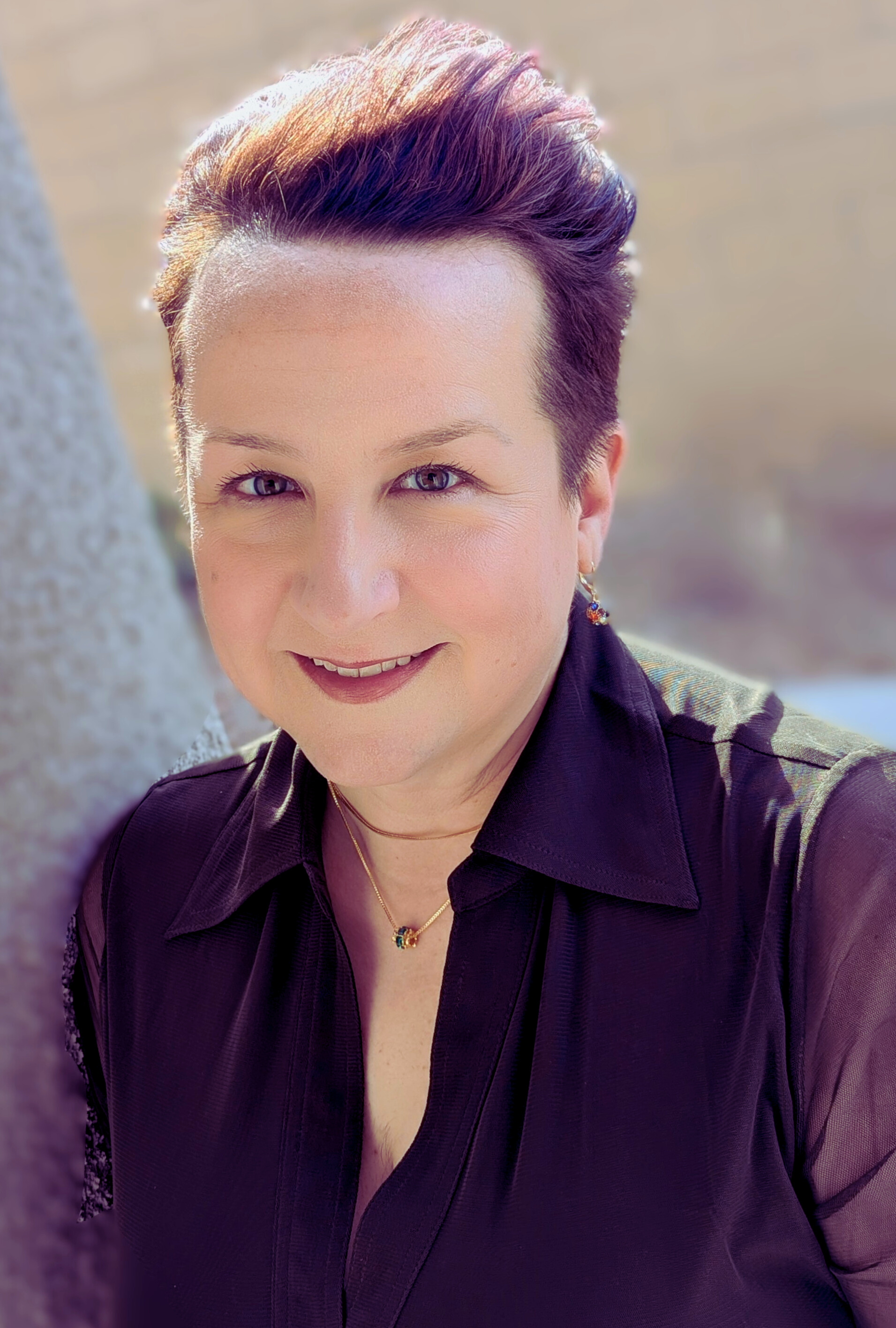
Sidney Pines

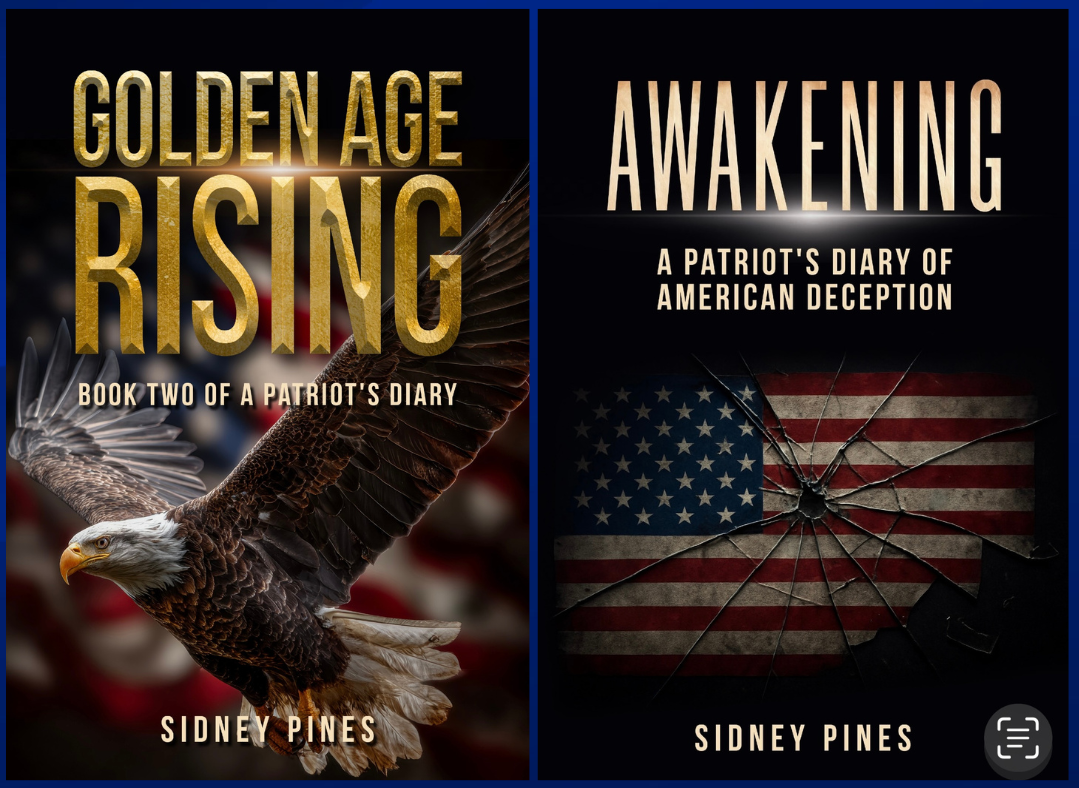
In this episode of The Billy Dees Podcast, Billy sits down with author Sidney Pines, whose journey from political disengagement to conservative commentator inspired her bestselling Patriot Diary series. Pines describes herself as an “everyday American” who began noticing what she believed were inconsistencies in news coverage and government narratives during 2020. What started as personal research and journal entries for future generations eventually evolved into a published book series, beginning with Awakening: A Patriot’s Diary of American Deception and continuing with the recently released Golden Age Rising.

Throughout the conversation, Pines reflects on her political awakening and discusses how many Americans who previously paid little attention to politics found themselves drawn into national debates over the past several years. She argues that growing distrust in traditional institutions, media organizations, and government agencies has fueled interest in topics often labeled as conspiracy theories. Pines maintains that many issues once dismissed by mainstream commentators have later received broader public scrutiny, contributing to a growing skepticism among segments of the population.

Billy and Sidney also explore the increasing polarization in American society. Both note how political disagreements that once remained civil have, in many cases, evolved into deeply personal divisions among friends and family members. Pines emphasizes the importance of respectful dialogue and says she has little interest in forcing her views on others, preferring instead to share her perspective and allow people to reach their own conclusions. The discussion highlights concerns about how social media algorithms, partisan news coverage, and online echo chambers may reinforce existing beliefs rather than encourage open-minded discussion.

The conversation then turns to the changing media landscape. Billy discusses the decline of traditional broadcast news and the rise of podcasts and independent media as sources of information. Together, they examine the challenges of navigating a world where artificial intelligence, social media algorithms, and competing narratives make it increasingly difficult to determine what information can be trusted. While both acknowledge concerns about misinformation, they also see opportunities for alternative voices and independent creators to reach audiences outside traditional media channels.

The episode concludes with a discussion about the future of journalism, public discourse, and political commentary. Whether listeners agree with Sidney Pines’ viewpoints or not, the conversation offers a thoughtful look into the mindset of a growing segment of Americans who feel disconnected from mainstream institutions and are seeking alternative explanations for the events shaping the nation. It is an engaging discussion about belief, skepticism, media influence, and the evolving political landscape of modern America.

You can follow Sidney Pines on X @Sidney1776

From Military Service to Mystery Writing – A Conversation with Kat Anderson

Kat Anderson

In this episode of The Billy Dees Podcast, Billy welcomes author and retired Air Force veteran Kat Anderson for a fascinating conversation that spans military service, storytelling, politics, mythology, and the enduring appeal of the unexplained. Anderson, whose debut novel No Rest for the Wicked is set against the vivid backdrop of Las Vegas, discusses her unique journey from a 20-year Air Force career to becoming a writer of paranormal noir fiction. Along the way, she shares insights into how life experiences, personal challenges, and curiosity about the unknown have shaped both her worldview and her creative work.

The discussion explores why people remain captivated by mysteries, conspiracies, and paranormal phenomena. Drawing on influences ranging from The X-Files to modern conversations about unidentified aerial phenomena, Anderson and Dees examine humanity’s desire to find meaning beyond the everyday. Their conversation balances skepticism and wonder, touching on government secrecy, public trust, and the enduring fascination with questions that may never have definitive answers.

Anderson also offers a thoughtful look at the themes behind No Rest for the Wicked. The novel blends detective fiction, mythology, supernatural elements, and reflections on time itself. Inspired in part by personal experiences caring for her father during his battle with Parkinson’s disease and dementia, Anderson explains how time became a central theme in her storytelling. Rather than serving merely as a science-fiction device, time functions as an emotional force within the narrative, shaping characters, memories, and the sense of mortality that touches every human life.

Beyond fiction, the conversation delves into Anderson’s experiences as a political commentator and her observations about today’s media landscape. She reflects on writing for political audiences, the changing role of podcasts in public discourse, and the importance of hearing diverse perspectives outside traditional media channels. Throughout the interview, Anderson demonstrates the same curiosity and independent thinking that inform both her commentary and her fiction.

Whether you’re interested in mystery novels, military stories, political discussion, or the deeper questions surrounding time and human nature, this episode offers an engaging and wide-ranging conversation. Kat Anderson’s journey from Air Force veteran to novelist highlights the power of reinvention, creativity, and the willingness to pursue passions that may have been set aside earlier in life. It’s a compelling discussion about storytelling, resilience, and the search for meaning in both fiction and reality.

Rise Above the Script with Dr. Albert Bramante

Dr. Albert Bramante

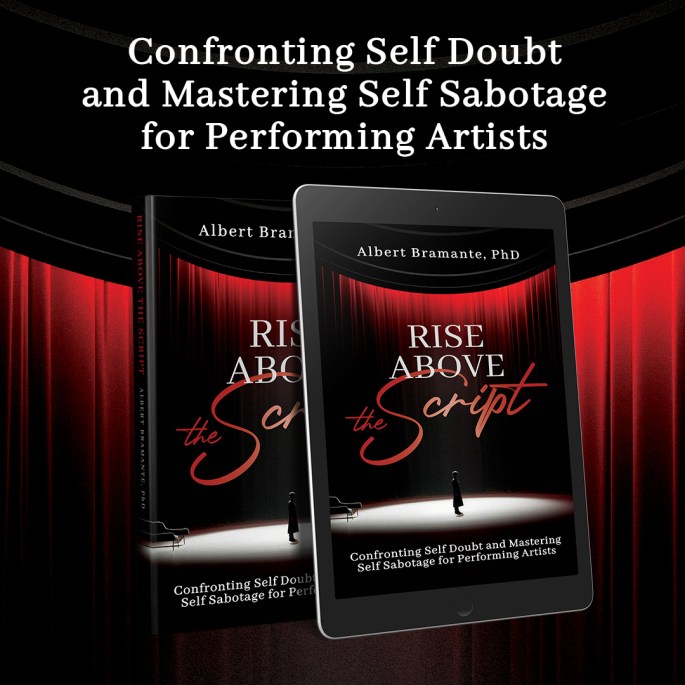
On this episode of The Billy Dees Podcast, Billy sits down with Dr. Albert Bramante for a fascinating conversation about psychology, performance, creativity, and the hidden mental roadblocks that often stand between talented people and success. Bramante, author of the book Rise Above the Script, brings a rare combination of experience to the table: over two decades working as a talent agent alongside an academic background in psychology, hypnosis, and neuro-linguistic programming (NLP).

The discussion explores why so many performers struggle with self-doubt, imposter syndrome, and self-sabotage—even when opportunities are right in front of them. Bramante explains how the human brain is wired for protection and survival, which can sometimes lead people to unconsciously avoid success out of fear, discomfort, or uncertainty. Drawing from his work with actors and creatives, he offers insight into how fear manifests in everyday behavior, from procrastination to missed opportunities, and why many people unknowingly stand in their own way.

Billy and Dr. Bramante also dive into the modern culture of “toxic positivity,” questioning whether constant motivational messaging can sometimes do more harm than good. Rather than pretending every challenge is enjoyable, the conversation emphasizes discipline, realism, and the importance of confronting discomfort head-on. Bramante shares practical advice for building confidence, including stepping outside your comfort zone, facing fears directly, and surrounding yourself with ambitious and supportive people.

The interview closes with a thoughtful discussion about artificial intelligence and its growing influence on creativity, performance, and human connection. While Bramante believes AI can be a useful tool, he warns against replacing genuine human interaction with chatbot-driven advice and validation. Throughout the episode, listeners are treated to an engaging blend of psychology, entertainment industry insight, and practical self-improvement strategies that apply not only to performers, but to anyone trying to overcome fear and unlock their potential.

Dr. Albert Bramante’s book, Rise Above the Script: Confronting Self-Doubt and Mastering Self-Sabotage for Performing Artists, is available on Amazon in print, ebook, and audiobook formats. You can also connect with him through his website www.albertbramante.com and LinkedIn.

Author Nancy Jasin Ensley – Hospice, Sci-Fi & Life’s Enduring Mysteries

Nancy Jasin Ensley

In this compelling episode of The Billy Dees Podcast, Billy sits down with author, legal nurse, and hospice specialist Nancy Jasin Ensley for a conversation that moves seamlessly between humor, humanity, and the profound realities of life and death. From the very beginning, Nancy’s warmth and authenticity shine through, as she shares stories from her upbringing in New Jersey, her early love of reading and writing, and the formative experiences that shaped her voice as both a caregiver and storyteller.

A central theme of the discussion is Nancy’s work in hospice care—an area that brings a unique and often unfiltered perspective on the human experience. Drawing from years of bedside moments, she describes the emotional and even mysterious aspects of end-of-life transitions. Her reflections echo a recurring idea: when life becomes most serious, people no longer need performance—they need honesty, presence, and connection. These experiences not only define her approach to caregiving but deeply influence her writing, giving it a grounded sense of realism and emotional depth.

Nancy’s literary work spans multiple genres, from memoir and mystery to science fiction and children’s books. Rather than confining herself to a single style, she embraces storytelling as a vehicle for meaning—exploring resilience, forgiveness, faith, and personal transformation. Her memoir The Tire Swing emerges as a cornerstone of her work, offering a deeply personal look at adversity and healing. Meanwhile, her foray into science fiction reveals her curiosity and willingness to stretch creatively, blending real scientific concepts with imaginative storytelling.

Throughout the episode, Billy and Nancy also explore the creative process itself—how inspiration can strike from the smallest moments, and how discipline plays a crucial role in bringing ideas to life. Nancy’s perspective is both practical and philosophical: writing isn’t just about craft, but about listening—to yourself, to others, and to the world around you. Whether she’s discussing journaling, forgiveness, or the importance of human connection, her insights resonate far beyond the page.

This episode is more than an author interview—it’s a thoughtful exploration of life’s complexities and the stories we tell to make sense of them. Listeners will come away not only with a deeper understanding of Nancy Jasin Ensley’s work, but with a renewed appreciation for the power of storytelling rooted in real experience.

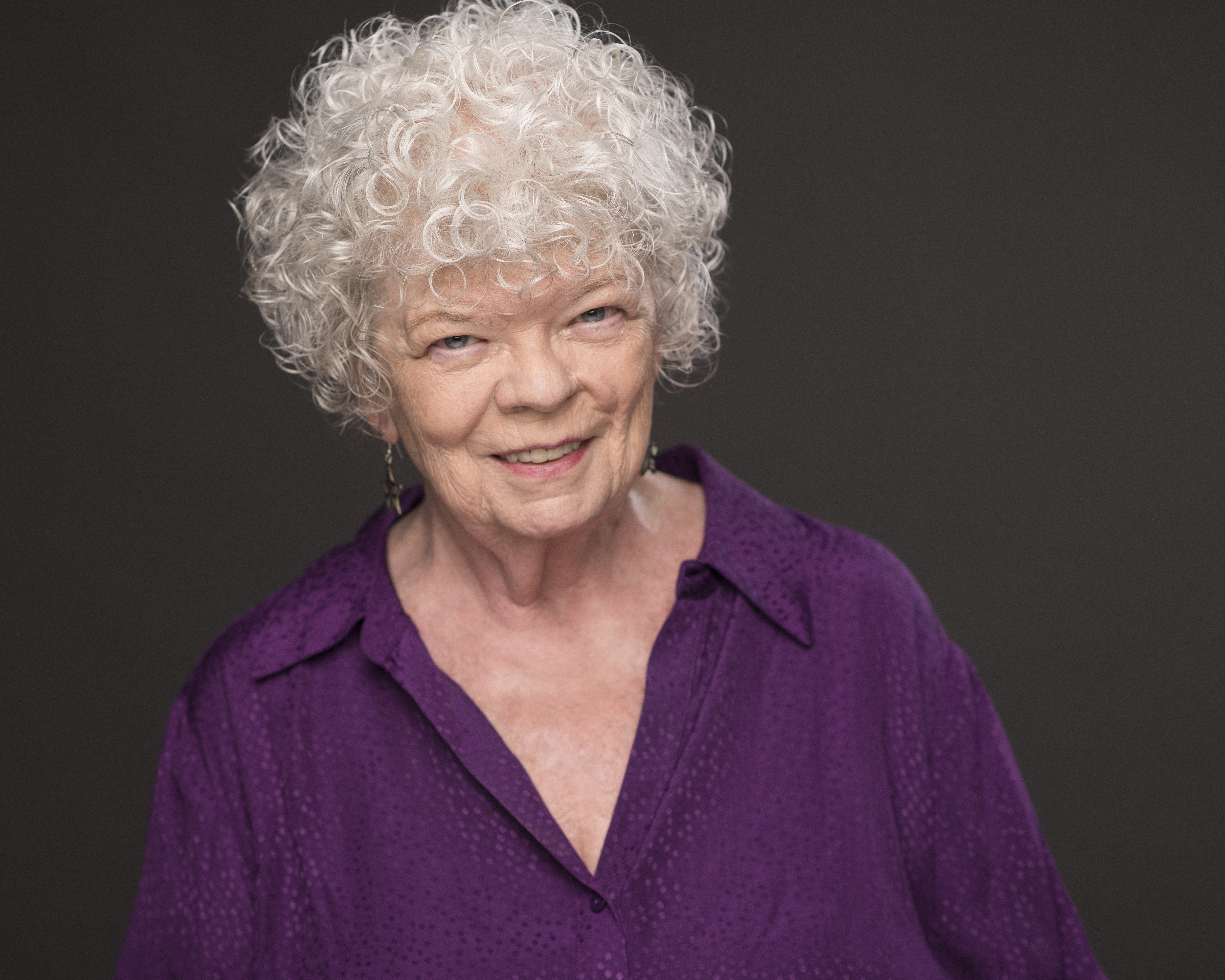
Hollywood Insider – 20 Years of Tales with Marsha Scarbrough

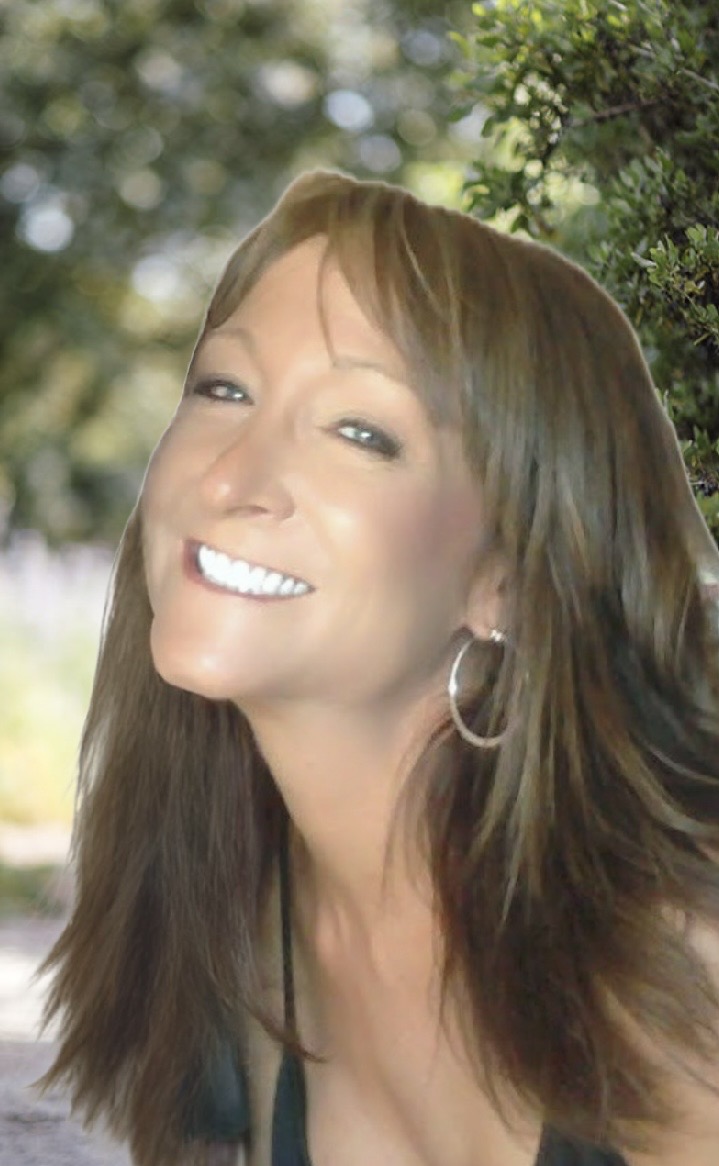
Marsha Scarbrough

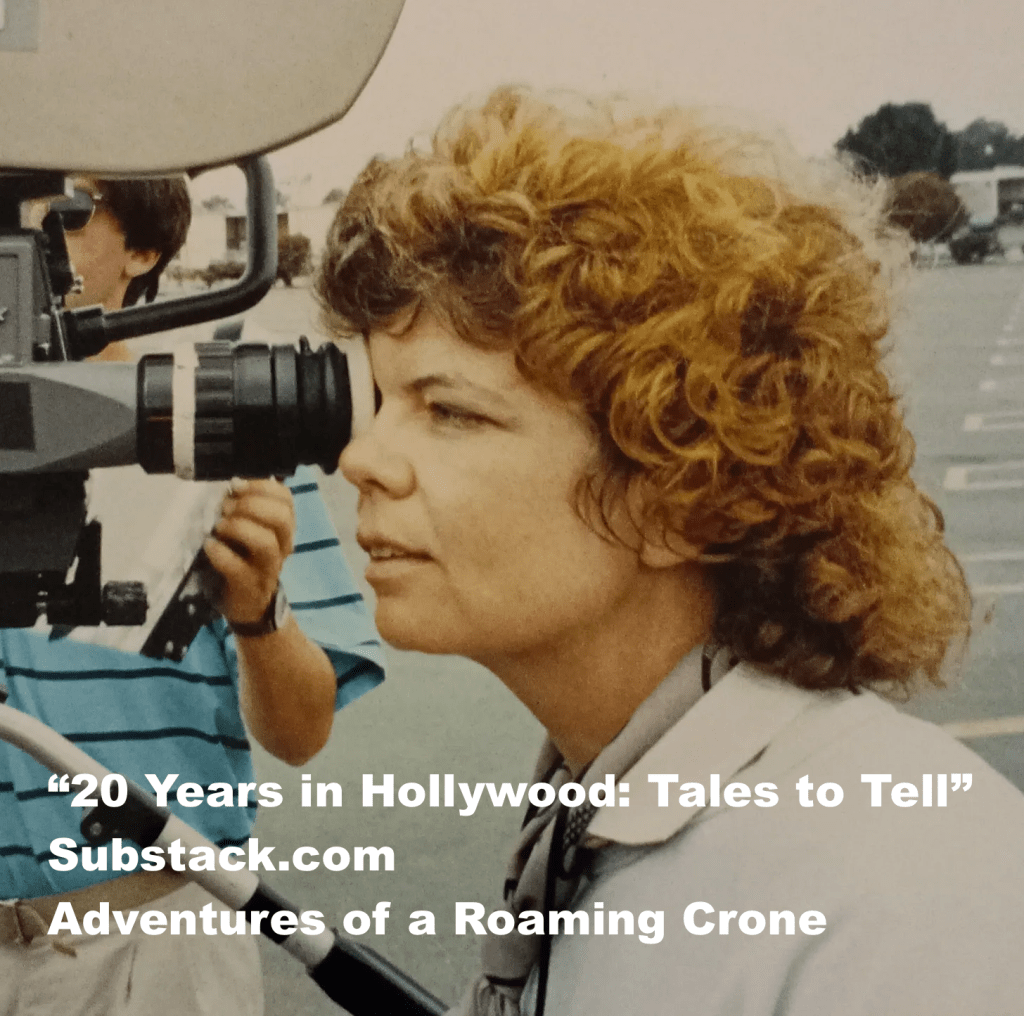
In this episode of The Billy Dees Podcast, Billy sits down with Marsha Scarbrough, a former assistant director with nearly two decades of experience in Hollywood. Speaking from Granada, Spain, Marsha brings listeners into a world that few ever see—the demanding, fast-paced, and often unpredictable life behind the camera. From her early days navigating the Directors Guild training program to working on major film and television productions, her stories offer both humor and hard-earned insight into what it really takes to make movies.

Marsha paints a vivid picture of the assistant director’s role, describing it as the engine that keeps production running. Responsible for everything from scheduling and logistics to managing communication between departments, assistant directors are often the first to arrive and the last to leave. The job is as mentally demanding as it is physical, with long days, little sleep, and constant problem-solving. Yet despite the grueling pace, Marsha shares her appreciation for the creative puzzle of filmmaking—taking a script apart and rebuilding it in the most efficient way possible for production.

Link to Marsha’s Substack

The conversation also dives into her experiences working alongside some of Hollywood’s biggest names. Marsha offers a balanced perspective on celebrity culture, noting that while some actors are generous and collaborative, others can be difficult and ego-driven. Her stories provide a fascinating contrast—particularly when comparing her positive experience working with Clint Eastwood on Bird to more challenging encounters on other sets. These moments highlight not only the personalities involved but also the importance of leadership, professionalism, and emotional intelligence in filmmaking.

Beyond personal anecdotes, the episode explores broader changes in the entertainment industry. From the decline of traditional Hollywood production to the rise of global filming locations like Spain, Marsha and Billy discuss how economics, technology, and shifting audience habits are reshaping the business. They also touch on the impact of streaming, social media, and artificial intelligence—raising important questions about the future of storytelling and the movie-going experience. Ultimately, this episode is both a behind-the-scenes look at Hollywood and a reflection on creativity, resilience, and change. Marsha Scarbrough’s journey—from long days on set to sharing her stories through her memoir 20 Years in Hollywood: Tales to Tell—offers listeners a rare and honest glimpse into an industry that continues to evolve. Whether you’re a film enthusiast or simply curious about what happens beyond the spotlight, this conversation delivers insight, entertainment, and plenty of unforgettable stories