Perfect Media Productions, LLC is a media production and digital marketing service. We produce audio for radio, podcasts, and voice-overs. We also record and/or edit video for websites and social media.
This is the production home of the Billy Dees Podcast and other great podcasts.
Our blog section features a variety of topics including media, business, and pop culture.
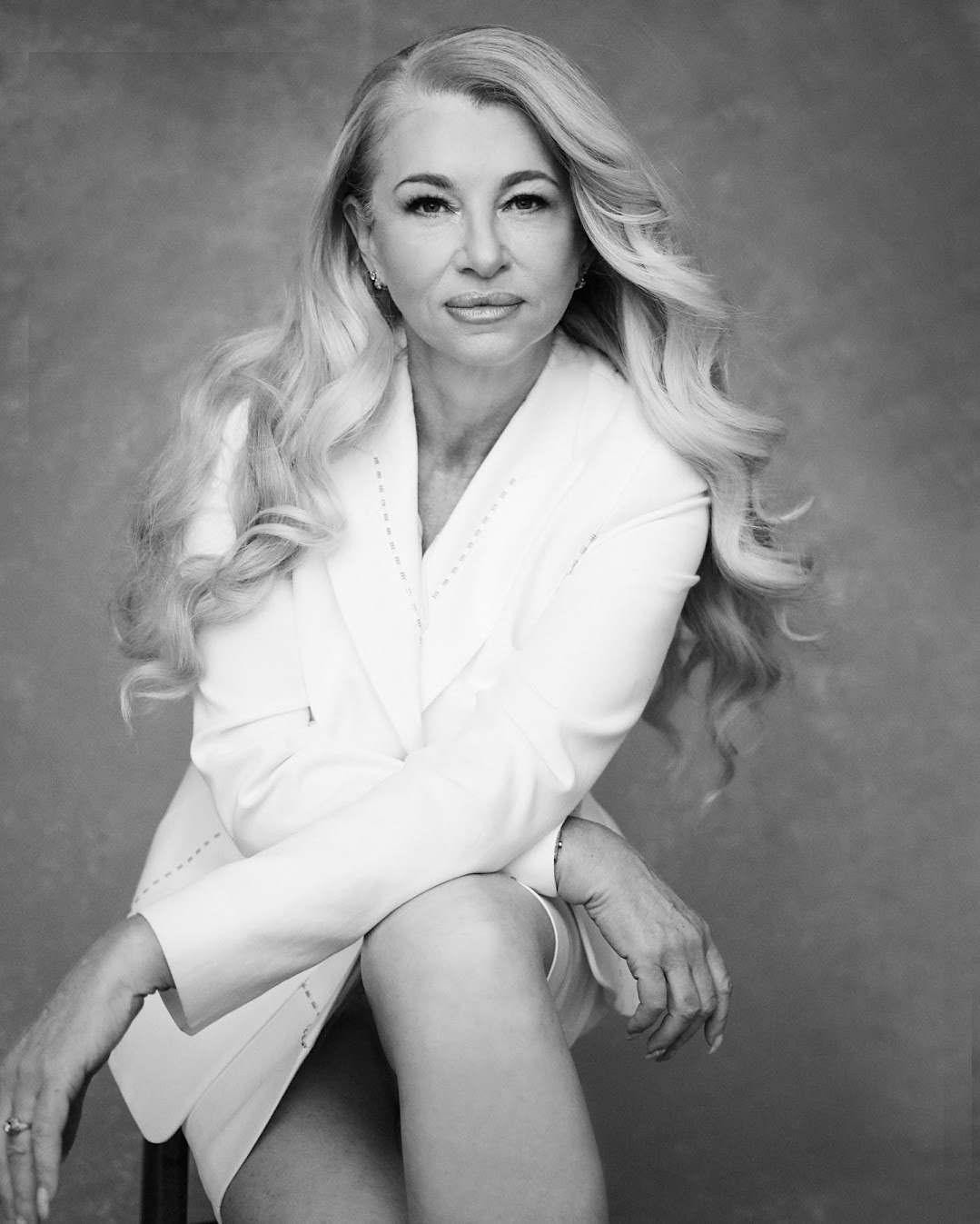
Eva Levina shares her journey of healing and awareness.
Eva Levina
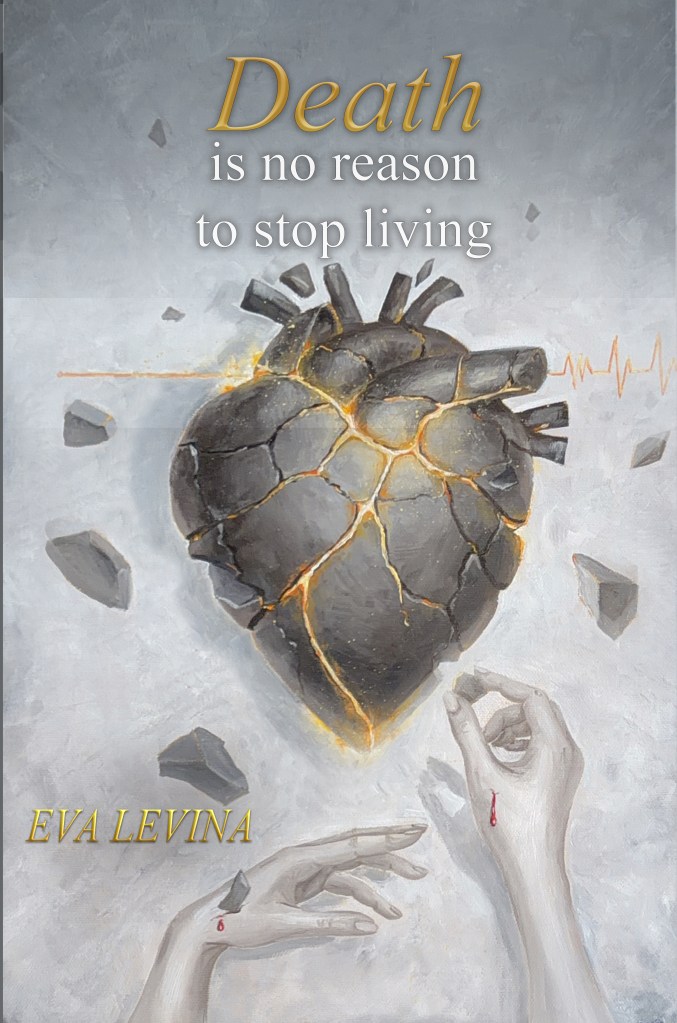
In this week’s conversation, we delve into the hidden world of “covert emotional abuse” with Eva Levina, an expert in narcissistic abuse recovery and author of the memoir series “Death is No Reason to Stop Living”. Eva’s insights illuminate the subtlety of emotional manipulation and the often-invisible damage it inflicts.
The Slow Creep of Manipulation
Eva shares that recognizing an emotionally abusive relationship can be akin to gaining weight — it happens gradually, almost imperceptibly. She reflects on her own experience:
“It starts very slow with a little bit of criticism, skillfully covered by concern… I truly thought that he’s taking care of me.”
This gradual manipulation masked itself as care. What began as suggestions for her well-being spiraled into control and constant criticism, leaving her feeling as if she was losing her sense of self.
The Charm of the Abuser
A key point in the discussion is how abusers often present themselves as charming and supportive individuals to the outside world. Eva notes that they are usually well-liked and admired by others, making it even harder for victims to recognize the abuse.
“They will help and support anybody outside of their family… they only have a chance to abuse their closest either spouse or a partner.”
This dichotomy creates a sense of confusion for victims, who struggle to reconcile the public persona with private torment.
Signs to Watch For
As Eva reflects on her journey, she emphasizes the importance of recognizing early warning signs of control in relationships. From her experiences, she highlights:
1. Control Over Actions: Abusers dictate what you do, how you do it, and with whom.
2. Isolation: They seek to distance you from friends and family, making you more dependent on them.
3. Gaslighting: Victims often feel as though they’re losing their grip on reality as their perceptions are constantly undermined.
In her candid narrative, Eva reveals how she learned to identify these red flags, even on first dates after her recovery.
A Path to Healing
Eva’s story is one of resilience and empowerment. Transitioning from victim to survivor, she now shares her experiences to help others recognize and escape similar situations. Her upcoming project, “251 First Dates,” promises to be a humorous yet insightful look into dating post-abuse, showcasing her journey toward reclaiming her life.
“A lot of strong women stick with it for the same reasons because they feel like their strength can be big enough for both of them.”
In this enlightening conversation, Eva Levina sheds light on the complexities of covert emotional abuse, offering a beacon of hope for those who may feel trapped in similar situations.
What happens when personal tragedy becomes a source of healing, creativity, and a renewed appreciation for life? For author Richard Ballo, writing became a way to navigate one of life’s most painful experiences. It also became the foundation for an unexpected second chapter: creating entertaining children’s books designed to make young readers laugh, think, and solve problems.
Richard Ballo
In this episode of The Billy Dees Podcast, Billy Dees sits down with Richard Ballo, an award-winning author, professional writer, and national speaker whose work explores grief, bereavement, healing, and the craft of storytelling. Their conversation moves from the difficult realities of losing a spouse to the importance of reading with children, the discipline of writing, and the growing influence of artificial intelligence on creativity and human relationships.
It’s a discussion about loss, but it’s also about moving forward—and recognizing the value of human connection in a world that sometimes seems determined to replace it with technology.
When Personal Loss Becomes a Path to Healing
Richard Ballo has been a published writer since 1972 and a professional writer since 1980. But one of the most defining chapters of his life began in 1993, when his wife, Lisa Johnson, died of cancer. They had married in 1986 and were raising two young children, then just five and six and a half years old.
In the aftermath of that loss, Richard found himself writing about the experience. What began as a personal journal of grief eventually became Life Without Lisa, an award-winning book that received the Florida Publishers and Authors Association President’s Pick Award.
During the interview, Richard challenges one of the most common misconceptions about grief: that people should simply get over it within a few months or allow time to heal everything.
Real life, as he explains, is considerably more complicated.
Grief doesn’t follow a convenient schedule, and there is no universal deadline for rebuilding a life after losing someone you love. Richard describes the process as a journey that can take years, involving intense sorrow, loneliness, and eventually the difficult work of integrating the past into a new present.
His own experience included remaining single for 20 years before eventually finding love again. Today, he has been remarried for 12 years, and he speaks candidly about learning to recognize emotional triggers without allowing them to dictate the rest of his life.
A memory, a birthday, or an unexpected reminder can bring old emotions rushing back. The difference, Richard explains, is learning to recognize those moments and understanding that revisiting the pain doesn’t mean you have to remain there.
His perspective isn’t about forgetting the past. It’s about acknowledging it while choosing to live fully in the present.
From Grief to Children’s Stories
Richard’s writing career took an unexpected turn when he began creating funny stories for children.
The motivation was personal. After losing their mother, Richard wanted his children to experience as much normalcy, laughter, and happiness as possible. As a school volunteer, he read stories to elementary school students and began developing stories of his own.
That experience eventually led to a very different kind of writing.
Richard now has 11 books in print, including works on grief and a series of children’s books featuring Martin the Mouse. The character finds himself being chased through a variety of settings, including the White House, Santa’s house, a haunted house, and a firehouse.
The stories are designed for young children, generally ages three to seven, with colorful illustrations, repetition, and playful situations. But beneath the fun is a practical idea: children can learn to recognize problems and figure out how to solve them.
In Martin’s adventures, the children must work out how to get the mouse out of trouble without adults interfering or harming him.
It’s a simple premise with a useful lesson. Children aren’t merely passive observers of a story; they can participate in figuring things out.
Richard’s work demonstrates how storytelling can serve different purposes at different stages of life. Sometimes writing helps us process profound personal pain. Other times, it gives children an opportunity to laugh, explore, and develop their imaginations.
Are We Giving Children Enough Human Interaction?
The conversation takes a turn toward a familiar sight in modern life: a young child sitting in front of a tablet while the adults nearby carry on their own conversations.
Billy and Richard discuss the challenge of competing with screens for children’s attention, particularly when it comes to books and reading.
Richard believes the answer begins with parents making time for their children.
Reading together offers more than words on a page. It creates an opportunity for conversation, shared laughter, questions, and a relationship that develops through direct interaction. Children can talk about the characters, consider how problems are solved, and connect the stories to their own experiences.
That interaction matters.
A tablet can deliver entertainment, but it cannot independently replace the full experience of a parent sitting beside a child, responding to questions, sharing a laugh, and helping a young mind make sense of the world.
Billy adds his own perspective, reflecting on how television programs he watched as a child inspired him to get outside and play. He contrasts that experience with a modern environment in which entertainment can become an activity that keeps children sitting in front of a screen rather than encouraging them to engage with the world.
The issue isn’t necessarily that technology exists. It’s whether technology is displacing experiences that help children develop curiosity, communication skills, and relationships with the people around them.
For Richard, children’s books remain one way to encourage that connection.
Artificial Intelligence, Creativity, and the Human Element
The discussion also explores a question confronting writers and other creative professionals: What happens when artificial intelligence becomes increasingly involved in how we learn, communicate, and create?
Billy raises concerns about young people turning to AI not only for schoolwork but also for advice about relationships and other personal matters. As these tools become more sophisticated, he wonders whether relying on them too heavily could change how people develop through real-world experiences and human interaction.
Richard acknowledges that AI can already be used to generate school assignments and assist with writing. He has experimented with it himself, using prompts to explore alternative wording or generate an outline from a scene he has written.
Sometimes the results offer something useful. Other times, they don’t.
But Richard draws a distinction between using AI as a tool and allowing it to take over the creative process.
He continues to write his own material, print it, review it, make corrections, and revise it before working with a human editor. For him, the emotional connections that make a story meaningful require more than arranging words into a coherent sequence.
They require an understanding of people, feelings, and the experiences that give those words meaning.
Billy shares a similar perspective from his own work in media production. AI can help with repetitive tasks and save time, but he believes the central creative contribution should still come from the individual.
The broader question isn’t whether these tools have a place in the creative process. Clearly, they can. The more important question is whether convenience will encourage people to surrender the very experiences that help them develop their own judgment, imagination, and voice.
Technology can assist with the work. Whether it can replace the human experience behind meaningful creative expression is another matter entirely.
The Discipline of Writing: Inspiration Is Only the Beginning
For aspiring writers, Richard offers another valuable perspective: writing doesn’t necessarily require locking yourself in a room for eight hours and waiting for inspiration to strike.
Although ideas sometimes arrive unexpectedly—a scene appearing in his mind or a detail from a news story revealing the missing connection in a developing plot—Richard also maintains a writing schedule.
When he’s in his office, that’s his time to create and get words on the page. Editing, on the other hand, can happen almost anywhere, even in short stretches of time.
He also explains how his curiosity about the world feeds his work. His interests range from mysteries, thrillers, and science fiction to nonfiction subjects such as the environment, government, and everyday life.
In one example, an article about a businessman jailed for polluting gave Richard the missing motivation behind a conflict between characters in a book he was developing. A real-world news story helped him understand why two people with opposing perspectives might develop a lasting grievance against one another.
It’s a reminder that good storytelling often begins with paying attention.
An idea doesn’t have to arrive fully formed. Sometimes it begins with a passing observation, a memory, a question, or a news story. The writer’s job is to keep exploring until those fragments begin to connect.
For anyone who has ever wanted to write a personal story, Richard’s advice is encouraging: start with an idea, a thought, or a remembrance, and build on it.
You don’t have to write an entire book in one sitting. You have to begin.
A Conversation About More Than Books
What makes this interview particularly interesting is the way these subjects connect.
Richard’s experience with grief led him to write about loss and healing. His desire to help his children find joy led him toward children’s literature. His work with young readers reinforced his belief in the importance of personal interaction, while his experience as a writer informs his views on the opportunities and limitations of artificial intelligence.
These aren’t entirely separate topics. They’re all connected by a common thread: the importance of human experience.
Whether someone is processing the loss of a spouse, helping a child learn to solve problems, developing a fictional character, or deciding how to use new technology, the human element remains central.
And while there are no easy answers to grief, parenting, or the future of creativity, there is value in having a thoughtful conversation about them.
Listen to Richard Ballo on the Billy Dees Podcast
In this episode, Billy Dees and Richard Ballo discuss the realities of grief, the long process of healing, the unexpected paths a writing career can take, the value of reading with children, and the role artificial intelligence may play in the future of creativity and human relationships.
It’s a conversation that moves between deeply personal experiences and broader questions about how we live, learn, and connect with one another.
For more interviews and thoughtful commentary on current events, culture, and the people shaping our world, listen to The Billy Dees Podcast, available across major podcast platforms.
Where current events meet insightful analysis without the drama.
What does it take to rebuild your life after everything you once knew has been taken away? That question sits at the heart of Billy Dees’ compelling conversation with Army veteran, health advocate, and podcast host Antoinette Berrafato.
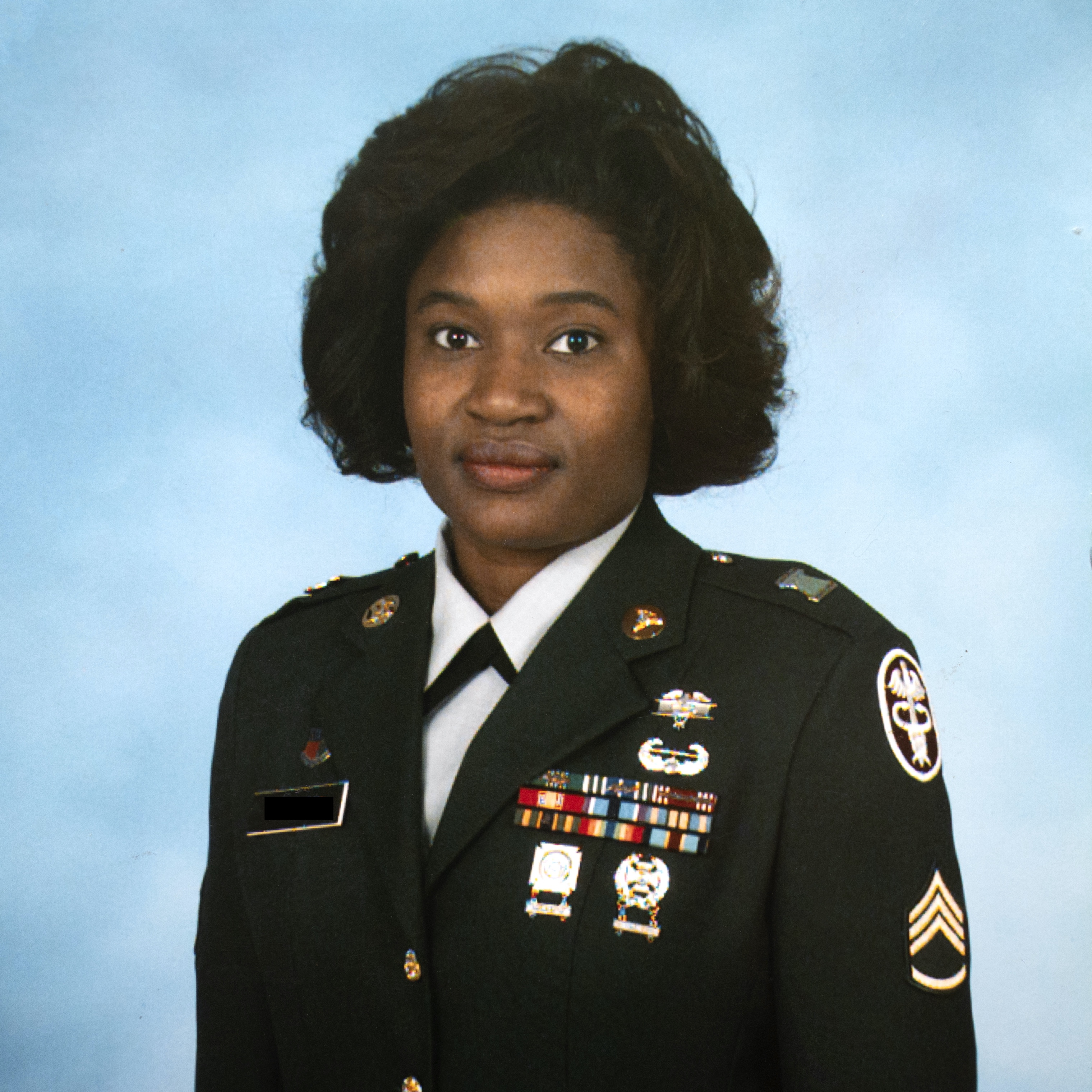
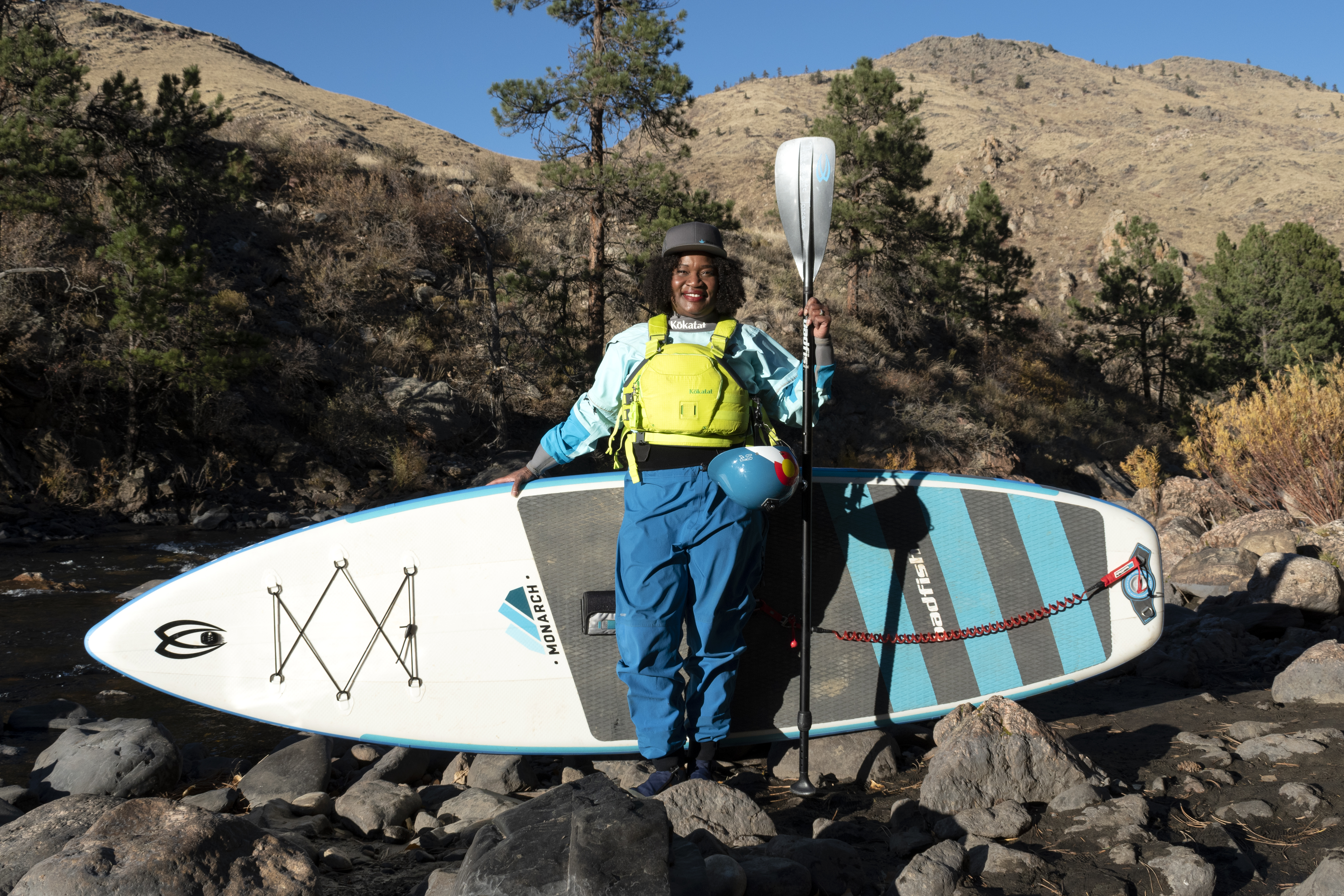
Antoinette Berrafato
Berrafato’s story is one of extraordinary resilience. After serving 11 years in the U.S. Army as an Air Assault-qualified combat medic, she suffered a traumatic brain injury, spinal damage, and severe PTSD that dramatically altered the course of her life. Once dependent on a walker, a service dog, and a full-time caregiver, she refused to accept that her future had already been written. Instead, she embarked on a journey of recovery that eventually transformed her into an adventure athlete, wellness educator, and motivational speaker helping others reclaim their health and purpose.
A Life Changed by Trauma
The conversation begins with Berrafato reflecting on her family’s long tradition of military service and the sense of duty that inspired her own career in the Army. She explains that many veterans don’t join because they seek conflict, but because they possess a desire to protect others, even at great personal risk.
That willingness to serve came at a tremendous cost.
Following a traumatic brain injury and serious physical injuries, Berrafato faced years of chronic pain, cognitive decline, and debilitating PTSD. She describes a period when simple everyday tasks—starting a car or remembering how to use a can opener—became impossible. Her career disappeared, her independence vanished, and conventional treatments left her feeling progressively worse.
Rather than simply discussing the clinical aspects of trauma, Berrafato offers a thoughtful perspective on how people process difficult experiences. She explains that while everyone experiences trauma in life, the ability to recover often depends on having adequate time, emotional support, and a sense of safety after the event. Without those elements, the body’s fight-or-flight response can become chronic, making healing far more difficult.
The Moment Everything Changed
One of the interview’s most powerful moments comes as Berrafato recalls believing she was living her final hours. (Previewed below.)
After nearly dying from complications related to her declining health, she reached a place of complete acceptance. She made peace with the life she had lived and silently promised that if she were given another chance, she would dedicate the rest of her life to helping others avoid the suffering she had endured.
The following morning, something remarkable happened.
For the first time in 18 months, she was able to get out of bed and reach her walker without assistance.
That experience became the foundation of what she now calls creating a “new normal.”
Rather than mourning the life she had lost, Berrafato chose to envision an entirely new future. She wrote down exactly what she wanted her life to become, encouraging listeners to do the same. Her advice is refreshingly practical: don’t focus on the obstacles. Instead, imagine the life you would choose if money, education, and limitations were removed from the equation. Then begin taking one small step toward that vision every single day.
Becoming the Pilot of Your Own Health
A major theme throughout the interview is personal responsibility in healthcare.
Berrafato is careful to explain that physicians remain valuable partners, but she believes patients must become active participants in their own healing. She encourages people to think of themselves as the pilot of their health journey while allowing healthcare providers to serve as trusted co-pilots.
Drawing from both her medical background and her own experience, she discusses the importance of addressing the root causes of chronic illness rather than simply managing symptoms. She speaks about reducing inflammation, improving nutrition, prioritizing restorative sleep, staying hydrated, building meaningful relationships, and maintaining regular physical activity as essential components of long-term wellness.
Billy Dees thoughtfully reminds listeners that every person’s medical situation is unique and that conversations like these are intended to encourage discussion and awareness—not replace personalized medical care.
Strength Beyond the Gym
The discussion also explores what healthy aging truly looks like.
Billy shares a personal concern familiar to many listeners: the fear of eventually losing strength and independence. Berrafato responds by introducing the concept of functional fitness—training not simply to build muscle, but to preserve the mobility, flexibility, endurance, and confidence necessary for everyday life.
Their conversation expands beyond physical conditioning into topics like situational awareness, self-confidence, resilience, and the importance of maintaining practical skills as people grow older. Rather than living in fear, Berrafato believes developing competence naturally reduces anxiety and prepares people to handle life’s unexpected challenges.
An Important Conversation About Caregivers
Toward the end of the interview, Billy shifts the focus to an often-overlooked group: caregivers.
Having cared for his own mother during her illness, Billy understands firsthand the emotional and physical exhaustion that caregiving can create.
Berrafato offers sobering statistics about caregiver health while emphasizing that caregivers must also care for themselves. She speaks candidly about her experiences caring for family members, explaining how difficult personalities, constant stress, and emotional isolation can severely impact a caregiver’s own health.
Her advice is both compassionate and practical. Caregivers should seek support, advocate for their own well-being, communicate honestly about their limitations, and remember that preserving their own health allows them to better care for those they love.
Likewise, those receiving care should recognize the sacrifices caregivers make by offering patience, gratitude, and as much independence as possible.
A Conversation Filled with Hope
Throughout the interview, Antoinette Berrafato never promises quick fixes or miracle cures. Instead, she shares something far more valuable: the belief that meaningful change is possible, even after profound hardship.
Her journey from severe disability to an active life filled with adventure serves as an inspiring example of resilience, determination, and hope. Whether discussing trauma recovery, healthy aging, functional medicine, caregiving, or personal growth, her message remains consistent: while we cannot always choose what happens to us, we can choose how we move forward.
Listeners interested in wellness, resilience, personal development, or overcoming life’s greatest challenges will find this episode both informative and deeply inspiring.
Be sure to listen to the full conversation on The Billy Dees Podcast, and learn more about Antoinette Berrafato and her New Normal Big Life Podcast, where she continues helping audiences discover practical strategies for living healthier, stronger, and more purposeful lives.
“Cindy, you asked me to warn you if anyone ever came looking for you. Now might be a good time to get lost,” starts the astonishing new self-love memoir Memory Mansion: How To Glow The Fu%k Up by philosopher and mystic ShamanIsis, who pens a powerful and inspiring story of resilience, healing, and transformation.”
ShamanIsis
On this podcast episode, ShamanIsis shares how this book came together, both in terms of how it is a memoir built from a diary of a lifetime experiences and how she brought the entries from her diary together into a story.
You can find the Billy Dees Podcast on your favorite podcast platform. For your convenience there is a preview below along with the listing for the episode on Spotify and the video version on YouTube.
You can find ShamanIsis on X (Twitter) @ShamanIsis
On the podcast for this episode is trauma survivor, mental wellness advocate, and educator, Shaman Isis.
She is also the author of the book, “Unleash the Empress.”
Central to her message is that people can come to terms with their trauma and mental wellness challenges and find the courage within themselves to heal and build a life they will love. Shaman Isis grew up in care and endured a shocking list of traumas that had her steeped in shame and depression. She felt at times that her future looked bleak…but it wasn’t, and through courage, she found freedom.
Shaman Isis’ most important message for anybody going through trauma is that hope endures.
During this podcast she also discusses why it can feel impossible to heal and how to know when it is indeed time for healing to begin.
You can find out more about Shaman Isis on her website: www.shamanisis.com.
You can find the Billy Dees Podcast on your favorite podcasting platform. For your convenience the podcast along with the webcam version is below.
This interview may contain triggers for survivors.
This episode of the Billy Dees Podcast is an interview with Lenora. She is a registered nurse, nutritional counselor, personal trainer, yoga teacher and reiki master. She came in to discuss her journey of abuse, pain, and PTSD. She made it through this journey not only as that of a survivor, but as a healthy and happy individual. She hopes to inspire others who may be going through their own passage of trauma or difficulty to let them know that hope for recovery is possible and within reach.
For your convenience the podcast interview is available below. Just hit play. The podcast episode is also available on most of the major podcasting platforms including Apple Podcasts, iHeartRadio, Spotify, and many others under the Billy Dees Podcast.
The episode is titled on these services as:
Lenora’s Story of Hope as a Survivor
Also the full interview is available below in the studio webcam version.