
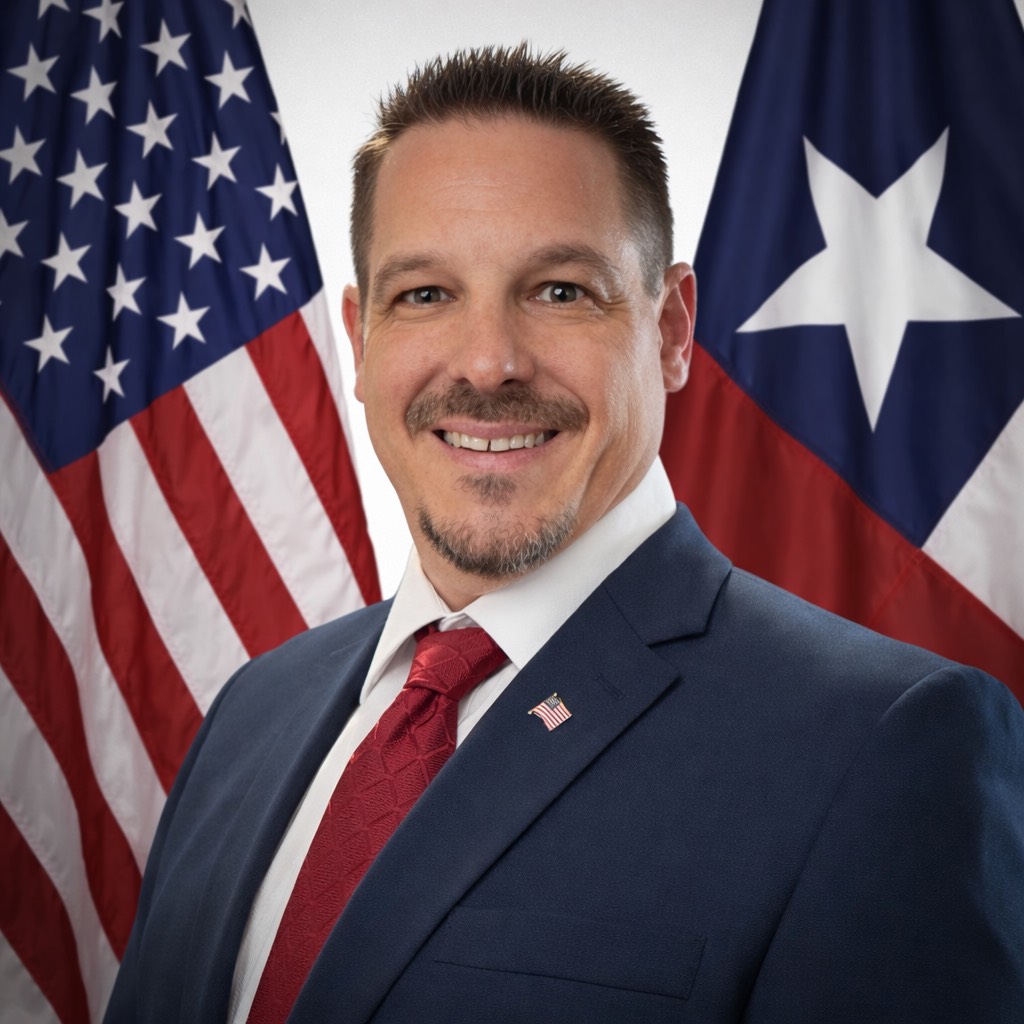
What happens when a 20-year Marine Corps veteran takes his experience in military aviation, logistics, and leadership and applies it to the problems facing American government? According to Keith Barton, the answer involves challenging conventional thinking, questioning entrenched systems, and bringing a little more accountability to the way things get done.
On this episode of The Billy Dees Podcast, Bill sits down with Keith Barton, a former Marine Corps aviator, author, congressional candidate, and advocate for family court reform. The conversation covers a wide range of subjects, from American military strategy and the lessons of Afghanistan to child custody laws, government spending, healthcare inefficiencies, and the influence of money in politics.
It’s a discussion about more than political talking points. Barton has a collection of ideas he believes could change how government operates, and he makes the case that many of the country’s problems aren’t necessarily unsolvable. Sometimes, the problem is the system itself.
From the Marine Corps to the Halls of Government
Barton brings an unusual background to the political conversation. A 20-year Marine Corps veteran, he served as a reconnaissance Marine, Huey helicopter pilot, logistics officer, and foreign adviser. His experiences have given him a firsthand perspective on military operations, leadership, and the challenges of carrying out a mission in complicated environments.
Bill and Barton begin by discussing the military’s warrior mindset, leadership, and the importance of keeping politics from interfering with military objectives. Their conversation turns to Afghanistan, Vietnam, and the broader question of what it means for the United States to win a war.
Winning the initial military engagement, Barton argues, is not the same as winning the larger conflict. He believes the United States has repeatedly struggled with the transition from defeating an opposing force to building the conditions necessary for a country to sustain itself.
The discussion also examines the ongoing conflict with Iran and the strategic decisions involved in confronting threats abroad. Bill raises questions about military objectives, the costs of prolonged engagements, and whether the United States has maintained the strategic advantage many Americans once took for granted.
Barton offers his perspective from a military and tactical standpoint, discussing the importance of appropriate equipment, sound planning, and understanding the difference between conventional warfare and insurgencies.
The result is a candid exchange about military strength, political decision-making, and the difficult choices involved in protecting American interests.
Family Court Reform: A Personal Fight with National Implications
One of the most significant portions of the conversation centers on Barton’s advocacy for family court reform.
His interest in the issue is personal. After taking his own custody case through a successful appellate court challenge in Florida, Barton began developing proposals aimed at changing the incentives and procedures he believes contribute to unfair outcomes for American families.
His central argument is that family courts should focus on the best interests of children without relying on assumptions about which parent is inherently better suited to raise them.
Barton questions why shared parenting arrangements are not more consistently reflected in custody outcomes, particularly when both parents are fit and capable. He also argues that federal funding structures can create unintended financial incentives that influence state family court systems.
During the interview, he explains his proposal to redirect federal funding away from the existing Title IV-D incentive structure and toward rewarding states for meeting measurable standards involving shared parenting, transparency, and compliance with their own laws.
He also advocates for greater judicial accountability, including clearer explanations of custody decisions and more transparent procedures.
For Barton, this is not simply a debate about fathers versus mothers. He believes the system should evaluate parents on their individual merits rather than gender-based assumptions, while preserving appropriate protections for children in cases involving serious abuse.
Bill and Barton discuss the emotional and financial consequences of contentious divorces, the importance of stable family environments, and the broader social costs that can follow when family relationships break down.
Whether listeners agree with Barton’s proposed solutions or not, the conversation raises important questions about how family courts operate, how decisions are evaluated, and whether existing policies consistently serve the children they are intended to protect.
Can Government Be Run More Like a Business?
Barton is also proposing a different approach to government efficiency.
Drawing on his experience in military logistics and large-scale distribution operations, he advocates applying Lean Six Sigma principles to federal government operations. The methodology, widely used in business and manufacturing, focuses on improving processes, identifying waste, measuring performance, and making continuous improvements.
Barton argues that government agencies should be held to similarly clear standards of efficiency and accountability.
His proposal, called the American Lean Act, would establish a framework for introducing targeted reforms through measurable performance goals, standardized procedures, and transparent reporting. Rather than attempting to dismantle government systems outright, he describes an approach designed to demonstrate improvements through individual legislative initiatives.
He also discusses proposals intended to address government waste, including his ideas for reviewing outdated legislation, improving oversight of organizations receiving federal funding, and increasing transparency around administrative costs.
The conversation moves beyond general complaints about government spending and into the practical question of how inefficiency might be identified and reduced.
Bill also raises an important distinction: not every government responsibility can be managed exactly like a conventional business. Healthcare, for example, involves human needs and risks that cannot always be evaluated through the same lens as manufacturing or commercial insurance.
Barton acknowledges that distinction while arguing that operational inefficiencies still create opportunities for meaningful savings.
The larger question is one taxpayers have been asking for years: Can government deliver better results without continually demanding more money?
Healthcare Costs, Shipping Regulations, and the Price of Inefficiency
The discussion of government efficiency leads into healthcare, where Bill questions the amount of money consumed by administrative layers that have little direct involvement in patient care.
Barton agrees that administrative overhead and inefficient supply chains deserve closer examination. He points to the potential for better logistics, improved coordination, and more effective management to reduce costs without sacrificing the services people need.
They also discuss prescription drug pricing and the challenges of making healthcare more affordable.
Another example involves the Jones Act, a federal shipping law that Barton argues contributes to high domestic shipping costs. He outlines his proposed Hall Act, which he says would create a middle-ground approach to increasing competition when domestic shipping companies do not accept available shipping contracts within a specified period.
Barton believes the proposal could improve shipping efficiency, reduce transportation costs, and eventually affect the prices consumers pay for everyday goods.
These proposals reflect a consistent theme throughout the interview: Barton believes that identifying the underlying causes of a problem is more useful than simply arguing about its symptoms.
Money, Influence, and the Political Process
No discussion of government reform would be complete without examining the influence of money in politics.
Bill raises questions about wealthy individuals, billionaires, campaign contributions, and the growing role of private wealth in shaping political priorities. The conversation considers whether voters can meaningfully limit that influence without infringing on constitutional rights.
Barton emphasizes personal responsibility, explaining that he intends to reject campaign contributions from industries whose interests could conflict with his policy positions.
He also argues that voters should pay greater attention to primary elections, when political parties are selecting the candidates who will eventually compete in general elections.
His message is straightforward: Voters should evaluate candidates based on their qualifications, integrity, and proposals rather than simply following the most recognizable name or the largest campaign budget.
For anyone frustrated with the political process, this portion of the conversation offers a reminder that elections are not just about choosing between two finalists. The choices made earlier can be just as consequential.
Keith Barton’s Vision for Congress
Barton is running for Congress in Texas in 2028, and his campaign is built around reforming systems he believes have become unnecessarily complicated, inefficient, or resistant to accountability.
In addition to the American Lean Act and his family court reform proposals, he discusses congressional term limits and the need for elected officials to remain connected to the people they represent.
He believes the federal government can benefit from clearer standards, better measurement, and a willingness to revise policies that fail to produce the intended results.
Barton is not approaching these issues solely as a political commentator. His proposals are informed by his background in military service, logistics, and operations, along with his personal experience navigating the family court system.
The question is whether the principles he describes can translate into workable legislation and gain enough support to become reality. That is where the discussion moves from theory into the challenges of American politics.
Beyond Politics: An Author with a Wide Range of Interests
Barton is also an author whose work spans several genres.
He discusses his Joey America children’s series, which introduces young readers to science, technology, engineering, and mathematics through engaging stories. He also writes standalone travel-friendly books designed to be completed during a short trip, along with military and science fiction thrillers.
Despite the variety of subjects, Barton says realism is a common thread throughout his writing. Even when exploring science fiction, he aims to make the stories as grounded and believable as possible.
His creative work offers another perspective on a guest whose professional life has included military aviation, logistics, public policy, and family advocacy.
A Conversation About Solutions, Not Just Complaints
Political conversations often get stuck in familiar territory. One side blames the other, everyone repeats their preferred talking points, and the audience is left wondering whether anything will actually change.
This episode of The Billy Dees Podcast takes a different route by exploring the specific proposals of a guest who believes government can work more effectively.
From military strategy and family court reform to healthcare logistics, shipping regulations, and government accountability, Keith Barton presents a broad set of ideas shaped by his own experiences and professional background.
Listeners may agree with some proposals and challenge others. That is part of the point. Serious conversations should leave room for questions, scrutiny, and thoughtful disagreement.
If you’re interested in public policy, military affairs, family law, or practical approaches to government reform, this episode offers plenty to consider.
Listen to Billy Dees and Keith Barton on the Billy Dees Podcast for a wide-ranging discussion about the problems Barton wants to solve, the reforms he believes are possible, and what it might take to make government more accountable to the people it serves.
Learn more about Keith Barton, his books, and his policy proposals at BartonForTexas.com.
Find the Billy Dees Podcast on major podcast platforms, and follow Billy Dees on X for new episodes, commentary, and updates.