When Compassion Gets Turned Upside Down

A Billy Dees Podcast Commentary on False Compassion, Accountability, and a Society That Doesn’t Like Being Challenged
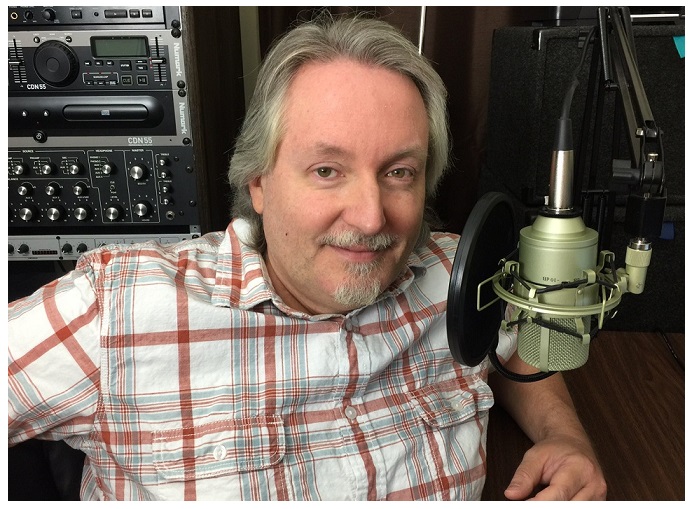
A middle-aged man with light brown hair and a beard is smiling while sitting next to a microphone, with audio equipment visible in the background.

What happens when compassion becomes so distorted that we begin feeling more sympathy for the person who committed the offense than for the person who suffered because of it?

That is the question at the heart of this Billy Dees Podcast commentary.

The episode begins with a thought from Archbishop Fulton Sheen, recorded decades ago, about what he called “false compassion”—the tendency to direct pity toward the person who committed the wrong rather than toward the person who was harmed.

That idea becomes the thread running through a much larger conversation about crime, mental health, victims, ideology, higher education, and what happens when a society becomes reluctant to draw clear moral and legal lines.

The Problem With Never Wanting to Be Challenged

Billy begins by acknowledging something that applies far beyond religion or politics: sometimes we avoid ideas because we already know they might challenge us.

It is easy to surround ourselves with information, people, and opinions that reinforce what we already believe. The difficult part is hearing something that makes us stop and ask whether our assumptions are actually correct.

That is one of the purposes of commentary on the podcast. It isn’t simply about passing along information or championing a political party. The goal is to put events into context, examine uncomfortable questions, and—hopefully—give listeners something to think about and talk about.

The episode then turns to one of the most disturbing questions in the discussion:

Can compassion become counterproductive when it removes accountability?

The Lindsay Clancy Case

Much of the commentary centers on the Lindsay Clancy case and the debate surrounding her mental health and criminal responsibility after the deaths of her three children.

Billy makes an important distinction. Mental illness is real, serious, and deserving of better treatment. He also acknowledges that there were apparent failures surrounding the care she received.

But acknowledging those issues doesn’t necessarily resolve the question of criminal accountability.

The discussion examines the tension between understanding why someone committed an act and determining what society should do when someone causes catastrophic harm.

Those are not necessarily the same question.

And that distinction becomes particularly important when the public response appears to shift attention away from victims and toward the person accused or convicted of causing the harm.

Who Gets Our Sympathy?

One of the most striking portions of the episode involves reactions from people who publicly expressed extraordinary support for Clancy and her attorney.

Billy questions the apparent willingness to portray someone accused of killing her children as a heroic or revolutionary figure.

His concern isn’t that people should be incapable of empathy. Quite the opposite.

The concern is what happens when empathy becomes so selective that the victims virtually disappear from the conversation.

The three children at the center of the case cannot tell their story. They cannot explain what happened to them. They cannot defend themselves.

That raises a difficult question:

Where should compassion begin?

And perhaps even more importantly:

Can we understand someone’s circumstances without excusing what they did?

When the Victim Disappears

The episode then broadens beyond the Clancy case to allegations surrounding sexual assault at a university.

Billy discusses allegations that a young woman was drugged and sexually assaulted by multiple fraternity members, along with questions about the subsequent disciplinary and legal response.

He is careful to acknowledge that he does not have access to everything investigators had when decisions were made. But he also argues that the allegations raise serious questions about how institutions respond when the people involved are students at prestigious universities.

The larger issue is not simply one particular case.

It is whether institutions sometimes become more concerned with protecting themselves, their reputations, or their preferred narratives than with confronting uncomfortable circumstances involving actual victims.

That question leads naturally into a much broader critique of higher education.

What Are We Paying For?

Billy argues that America should reconsider some of its assumptions about traditional college education.

For decades, the standard advice was straightforward: get a college degree because that is the path to a successful career.

But the world has changed.

Technology, artificial intelligence, skilled trades, and rapidly changing employment requirements have created new questions about what education should actually accomplish.

Do we need four years of traditional college before someone can begin specialized training?

Could some professions benefit from more direct educational paths?

And why have skilled trades such as electrical work, welding, and other technical professions sometimes been treated as lesser alternatives to a university education?

These are not questions about whether education matters.

They are questions about what education is supposed to do.

Billy argues that education should teach people how to think, develop useful skills, and prepare them to contribute to society—not simply provide an expensive credential.

The Sydney Sweeney Question

The commentary takes another unexpected turn with a discussion involving actress Sydney Sweeney.

Billy uses a social-media comparison involving Sweeney and Lindsay Clancy to illustrate what he sees as another example of distorted priorities.

The question presented to some women was essentially which woman represented a greater threat to women.

The responses, Billy argues, demonstrate just how dramatically cultural perceptions can become detached from proportionality.

Whatever someone’s opinion of Sweeney’s image, sexuality, advertising, or celebrity status, Billy asks listeners to consider the basic question:

How can cultural disagreement about an actress’s image be placed on the same moral scale as the killing of three children?

The point isn’t really about Sydney Sweeney.

It is about how easily ideological frameworks can alter the way people perceive reality.

Are We Losing Our Ability to Agree on Reality?

That may ultimately be the larger question behind the entire episode.

Billy isn’t arguing that everyone has to think alike. In fact, the podcast has long made room for different perspectives.

The concern is what happens when disagreement stops being about different interpretations of reality and becomes a situation where people appear to be living inside entirely different realities.

A healthy society can debate crime.

It can debate mental health.

It can debate feminism.

It can debate higher education.

It can debate sexuality, culture, politics, and social responsibility.

But underneath all of those debates should be some basic principles about human behavior, accountability, and the difference between a victim and a perpetrator.

The Conversation We Don’t Want to Have

The Fulton Sheen quote from the beginning of the episode comes back into focus toward the end.

The phrase “false compassion” isn’t presented as an argument against compassion itself. It is a warning about what can happen when compassion loses its connection to accountability and reality.

Understanding someone’s circumstances doesn’t require pretending the consequences don’t matter.

Mental illness can be real without eliminating every concept of responsibility.

A person can have experienced trauma without becoming immune from accountability.

An institution can believe in rehabilitation without ignoring victims.

And society can show compassion without forgetting who was harmed.

Perhaps the uncomfortable lesson is that compassion sometimes requires more than sympathy.

Sometimes it requires us to tell the truth—even when the truth makes us uncomfortable.

And sometimes the person who needs our compassion isn’t the person standing in front of the microphone asking for it.

Sometimes it’s the person who never gets the chance to speak again.

Content Note:

Seven fraternity members face lawsuit over alleged assault at Cornell. This is a developing story and is currently (Sept. 26, 2026) trending as The Cornell Seven. For more information visit People.
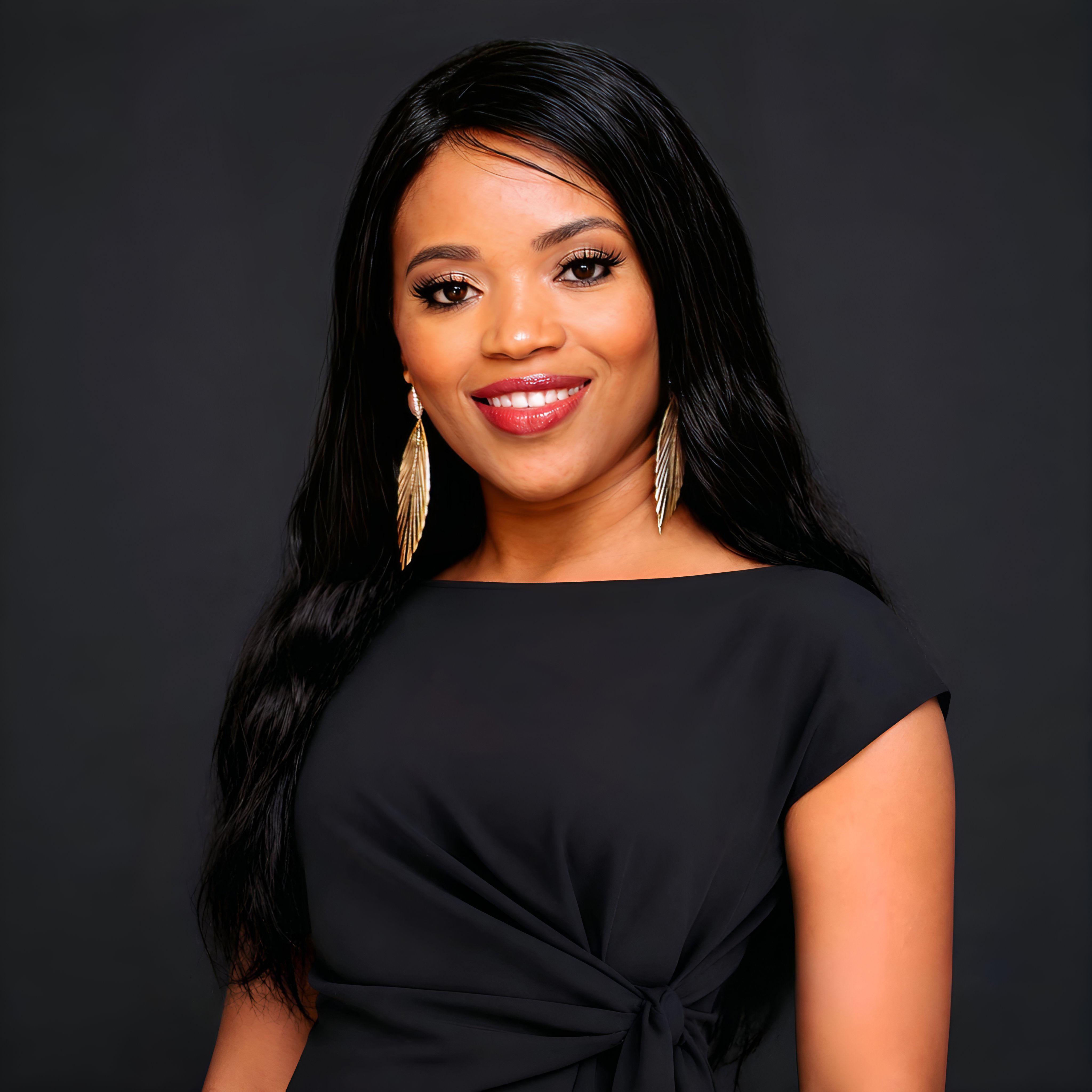

The Stories We Carry: Mental Health, Culture, Identity and Resilience with Dr. Nneka Oluoha

Dr. Nneka Oluoha

What if the person who appears to have everything together is actually carrying something they have never learned how to talk about?

That question sits at the center of a fascinating conversation between Billy Dees and Dr. Nneka Oluoha, a Nigerian-American physician, novelist, and speaker whose work explores the intersection of mental health, culture, family, immigration, faith, identity, and resilience.

Dr. Oluoha is an internal medicine physician and hospitalist, caring for patients during some of the most difficult moments of their lives. But her experiences in medicine have also given her an unusual window into the stories people carry beneath the surface.

Those stories eventually became part of her work as a novelist.

Beyond the Statistics

One of the most interesting parts of the conversation is the role storytelling can play in helping people understand mental health.

Statistics can tell us how many people experience depression, anxiety, PTSD, or other mental health challenges. But numbers can become abstract. We hear them, process them for a moment, and then move on.

A story is different.

Dr. Oluoha explained that fiction allows readers to accompany a character through an experience. Instead of simply hearing that someone is struggling, we see the world through that person’s eyes. We become familiar with their circumstances, their relationships, their fears, and sometimes the things they cannot bring themselves to say.

That emotional connection can make an idea stick in a way that statistics often cannot.

And that is one of the reasons her novel, Live for Me Nkem, came to life.

When Mental Health Becomes a Family Story

At the center of Live for Me Nkem is Nkem, a Nigerian woman living in America who has struggled with chronic mental illness but has buried those struggles because mental health is not something she believes she can openly discuss.

Eventually, her struggle affects much more than Nkem herself.

Her husband finds himself carrying the family while watching his wife disappear emotionally. Her children see their mother becoming someone they don’t fully understand. The entire family is affected by something that nobody seems prepared to talk about.

That is an important distinction.

Mental health struggles rarely exist in isolation. Even when one person is experiencing the illness, the people around them can experience confusion, fear, frustration, exhaustion, and helplessness.

The story also explores the importance of empathy. Nkem’s husband initially struggles to understand what is happening. As the story develops, however, he begins to recognize that his wife’s behavior isn’t simply a matter of choice or willpower.

And eventually, Nkem learns to communicate what she needs—but she doesn’t do it alone.

She gets help.

Asking for Help Isn’t Always Easy

Billy and Dr. Oluoha also discussed something that sounds simple but can be remarkably difficult: asking for help.

People often create explanations for their struggles.

I just need to be stronger.

I just need some rest.

Things will get better when I make more money.

I just need someone to help with the kids for a few days.

Sometimes those things may genuinely help. But they can also become ways of explaining away a deeper problem.

Dr. Oluoha pointed out that forming a bond of trust between a patient and physician can be critical because people are much more likely to disclose what is really happening when they feel safe doing so.

That observation extends well beyond medicine.

Whether it’s a doctor, family member, friend, counselor, or someone else we trust, the ability to say “I’m not okay” can be the first step toward actually getting better.

Culture Can Shape What We Are Willing to Say

Dr. Oluoha’s Nigerian background adds another important dimension to the conversation.

She described growing up in a culture where certain mental health conditions were often hidden or treated as something to be ashamed of. Conversations that are more common today were once much more difficult to have.

She also discussed the expectations placed on people based on age and gender, particularly expectations placed on women.

Those cultural expectations can become deeply embedded in the way people see themselves—and in what they believe they are allowed to say or do.

But Dr. Oluoha’s experience also illustrates that culture isn’t necessarily something that has to dictate every aspect of a person’s identity.

Identity Isn’t Just One Thing

The conversation took an interesting turn when Billy and Dr. Oluoha discussed identity.

We often talk about identity as though every person has one defining characteristic that explains who they are.

Dr. Oluoha sees it differently.

She describes identity as fluid and made up of many different roles. She is a physician, a mother, a wife, and a Nigerian woman. Which part of that identity becomes most prominent can depend on the circumstances.

At work, she is a physician.

With her children, she is their mother.

In another setting, another part of her identity may become more prominent.

That idea challenges the notion that we have to reduce ourselves—or anyone else—to a single label.

Perhaps that’s particularly important in a world where people are often encouraged to sort themselves and everyone around them into increasingly narrow categories.

A person is rarely just one thing.

The Immigrant Experience Isn’t Always What We Imagine

Dr. Oluoha also shared some of her experience coming from Nigeria to the United States approximately twelve years ago.

Like many immigrants, some of her expectations were shaped by stories, movies, and the experiences of people who had already made the journey.

She imagined America somewhat like New York City: tall buildings, busy people, stable jobs, and plenty of money.

Then she arrived in Southern California.

There were fewer skyscrapers than she expected—and considerably more heat.

Her story is a reminder that the idea of a country can be very different from actually living there. Immigration isn’t simply a physical move from one place to another. It can involve recalibrating expectations, adapting to cultural differences, and figuring out where the various pieces of your identity fit.

Empathy Requires More Than an Opinion

Billy also brought up the difficulty of understanding people whose circumstances are very different from our own.

Homelessness provided one example.

It’s easy to reduce a complicated problem to a slogan: They just need a job.

Or to reduce it to another slogan: It’s all because of housing costs.

Reality, of course, can be considerably more complicated.

People can struggle with a variety of issues that affect their ability to function, maintain relationships, manage finances, or navigate modern society.

That doesn’t mean every explanation is equally valid or that every problem has an easy solution.

It does mean that understanding another person requires something more than immediately assigning blame.

That’s where empathy comes in.

And empathy doesn’t necessarily mean agreeing with someone. It means making an effort to understand what their experience might actually be before deciding that we already know the answer.

Writing as an Act of Resilience

For Dr. Oluoha, writing itself has been a lesson in resilience.

She talked about the realities of writing while working as a physician and raising young children. Early on, she approached writing with a certain discipline, particularly because her demanding schedule meant she had limited opportunities to work on her manuscript.

But eventually she realized something important: writing was supposed to be a source of enjoyment and stress relief, not another obligation.

Her advice to aspiring writers was refreshingly practical.

Write about something you genuinely care about. Do the research. Explore lived experiences. Find the best way to tell the story.

And understand that there will be days when you love your story and days when you absolutely hate it.

When that happens, remember why you started.

Sometimes the best thing a writer can do is close the laptop and walk away for a while.

Then come back.

A Conversation About More Than Mental Health

The conversation between Billy Dees and Dr. Nneka Oluoha ultimately reaches well beyond the subject of mental health.

It is about the stories we inherit from our families and cultures.

It’s about the identities we construct.

It’s about immigration and adapting to a new country.

It’s about the expectations we place on ourselves.

It’s about what happens when success becomes so closely tied to our identity that losing a job, money, status, or position feels like losing ourselves.

And perhaps most importantly, it’s about the courage required to admit that we don’t have everything figured out.

Dr. Oluoha’s novel uses fiction to explore those ideas through people rather than statistics. And that may be the most powerful takeaway from the conversation.

We don’t always understand another person’s struggle because someone gives us the right statistic.

Sometimes we understand because someone tells us a story.

And sometimes, in recognizing ourselves—or someone we love—in that story, we finally find the words to ask for help.

Listen to Billy Dees’ conversation with Dr. Nneka Oluoha for a thoughtful discussion about mental health, culture, identity, immigration, empathy, family, and the power of storytelling.

Overcoming Trauma and Rebuilding Your Life – Antoinette Berrafato on Resilience, PTSD Recovery & Functional Health

What does it take to rebuild your life after everything you once knew has been taken away? That question sits at the heart of Billy Dees’ compelling conversation with Army veteran, health advocate, and podcast host Antoinette Berrafato.

Antoinette Berrafato

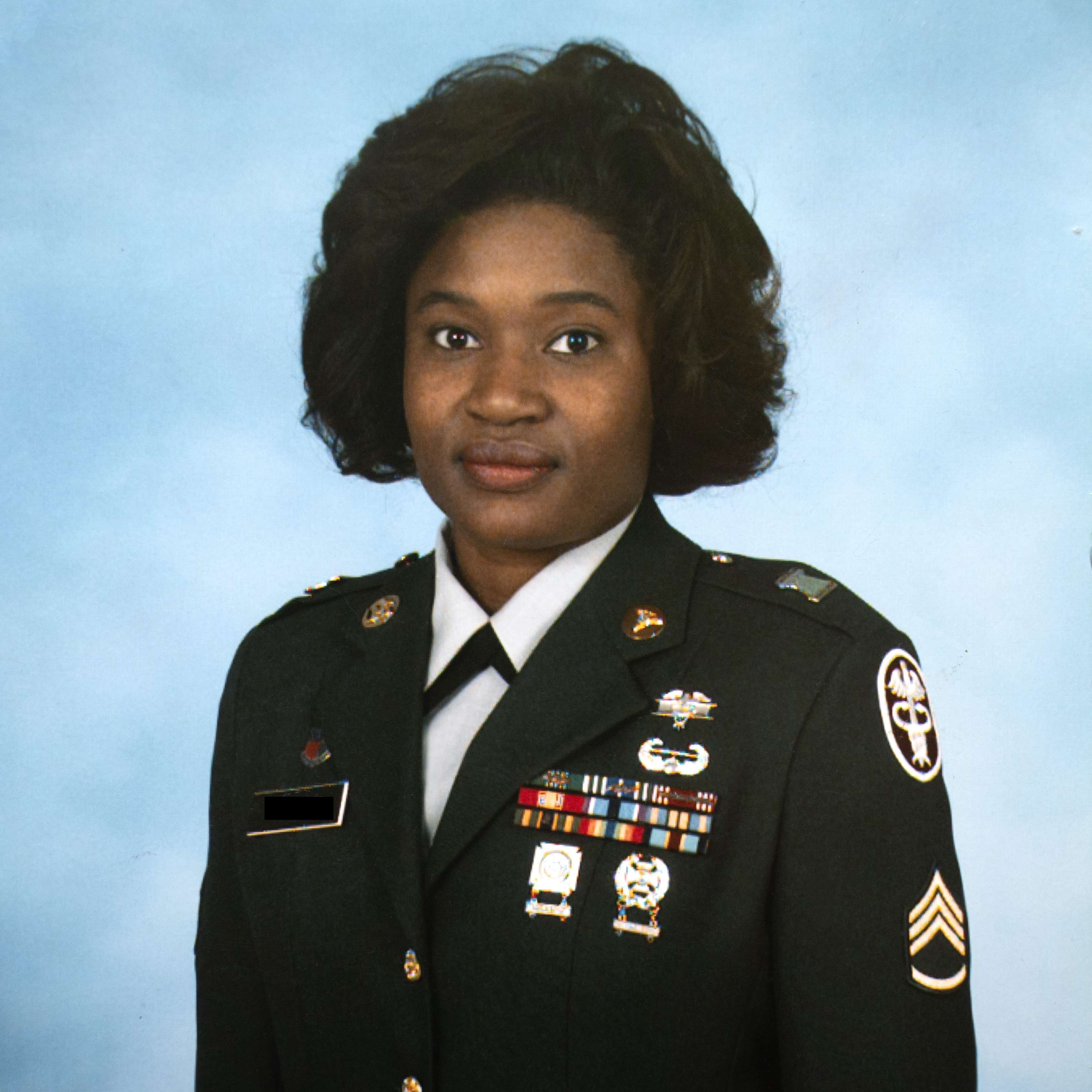
Berrafato’s story is one of extraordinary resilience. After serving 11 years in the U.S. Army as an Air Assault-qualified combat medic, she suffered a traumatic brain injury, spinal damage, and severe PTSD that dramatically altered the course of her life. Once dependent on a walker, a service dog, and a full-time caregiver, she refused to accept that her future had already been written. Instead, she embarked on a journey of recovery that eventually transformed her into an adventure athlete, wellness educator, and motivational speaker helping others reclaim their health and purpose.

A Life Changed by Trauma

The conversation begins with Berrafato reflecting on her family’s long tradition of military service and the sense of duty that inspired her own career in the Army. She explains that many veterans don’t join because they seek conflict, but because they possess a desire to protect others, even at great personal risk.

That willingness to serve came at a tremendous cost.

Following a traumatic brain injury and serious physical injuries, Berrafato faced years of chronic pain, cognitive decline, and debilitating PTSD. She describes a period when simple everyday tasks—starting a car or remembering how to use a can opener—became impossible. Her career disappeared, her independence vanished, and conventional treatments left her feeling progressively worse.

Rather than simply discussing the clinical aspects of trauma, Berrafato offers a thoughtful perspective on how people process difficult experiences. She explains that while everyone experiences trauma in life, the ability to recover often depends on having adequate time, emotional support, and a sense of safety after the event. Without those elements, the body’s fight-or-flight response can become chronic, making healing far more difficult.

The Moment Everything Changed

One of the interview’s most powerful moments comes as Berrafato recalls believing she was living her final hours. (Previewed below.)

After nearly dying from complications related to her declining health, she reached a place of complete acceptance. She made peace with the life she had lived and silently promised that if she were given another chance, she would dedicate the rest of her life to helping others avoid the suffering she had endured.

The following morning, something remarkable happened.

For the first time in 18 months, she was able to get out of bed and reach her walker without assistance.

That experience became the foundation of what she now calls creating a “new normal.”

Rather than mourning the life she had lost, Berrafato chose to envision an entirely new future. She wrote down exactly what she wanted her life to become, encouraging listeners to do the same. Her advice is refreshingly practical: don’t focus on the obstacles. Instead, imagine the life you would choose if money, education, and limitations were removed from the equation. Then begin taking one small step toward that vision every single day.

Becoming the Pilot of Your Own Health

A major theme throughout the interview is personal responsibility in healthcare.

Berrafato is careful to explain that physicians remain valuable partners, but she believes patients must become active participants in their own healing. She encourages people to think of themselves as the pilot of their health journey while allowing healthcare providers to serve as trusted co-pilots.

Drawing from both her medical background and her own experience, she discusses the importance of addressing the root causes of chronic illness rather than simply managing symptoms. She speaks about reducing inflammation, improving nutrition, prioritizing restorative sleep, staying hydrated, building meaningful relationships, and maintaining regular physical activity as essential components of long-term wellness.

Billy Dees thoughtfully reminds listeners that every person’s medical situation is unique and that conversations like these are intended to encourage discussion and awareness—not replace personalized medical care.

Strength Beyond the Gym

The discussion also explores what healthy aging truly looks like.

Billy shares a personal concern familiar to many listeners: the fear of eventually losing strength and independence. Berrafato responds by introducing the concept of functional fitness—training not simply to build muscle, but to preserve the mobility, flexibility, endurance, and confidence necessary for everyday life.

Their conversation expands beyond physical conditioning into topics like situational awareness, self-confidence, resilience, and the importance of maintaining practical skills as people grow older. Rather than living in fear, Berrafato believes developing competence naturally reduces anxiety and prepares people to handle life’s unexpected challenges.

An Important Conversation About Caregivers

Toward the end of the interview, Billy shifts the focus to an often-overlooked group: caregivers.

Having cared for his own mother during her illness, Billy understands firsthand the emotional and physical exhaustion that caregiving can create.

Berrafato offers sobering statistics about caregiver health while emphasizing that caregivers must also care for themselves. She speaks candidly about her experiences caring for family members, explaining how difficult personalities, constant stress, and emotional isolation can severely impact a caregiver’s own health.

Her advice is both compassionate and practical. Caregivers should seek support, advocate for their own well-being, communicate honestly about their limitations, and remember that preserving their own health allows them to better care for those they love.

Likewise, those receiving care should recognize the sacrifices caregivers make by offering patience, gratitude, and as much independence as possible.

A Conversation Filled with Hope

Throughout the interview, Antoinette Berrafato never promises quick fixes or miracle cures. Instead, she shares something far more valuable: the belief that meaningful change is possible, even after profound hardship.

Her journey from severe disability to an active life filled with adventure serves as an inspiring example of resilience, determination, and hope. Whether discussing trauma recovery, healthy aging, functional medicine, caregiving, or personal growth, her message remains consistent: while we cannot always choose what happens to us, we can choose how we move forward.

Listeners interested in wellness, resilience, personal development, or overcoming life’s greatest challenges will find this episode both informative and deeply inspiring.

Be sure to listen to the full conversation on The Billy Dees Podcast, and learn more about Antoinette Berrafato and her New Normal Big Life Podcast, where she continues helping audiences discover practical strategies for living healthier, stronger, and more purposeful lives.

Preview:

Spotify

YouTube

Rise Above the Script with Dr. Albert Bramante

Dr. Albert Bramante

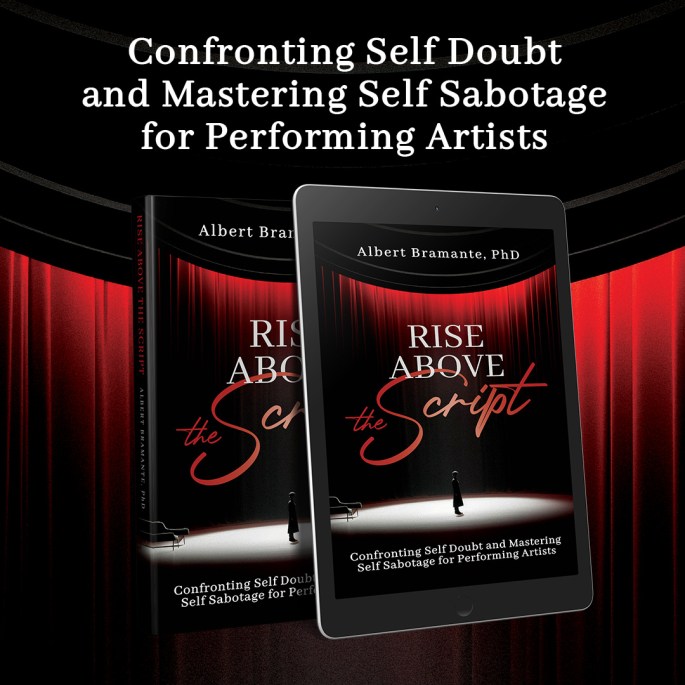
On this episode of The Billy Dees Podcast, Billy sits down with Dr. Albert Bramante for a fascinating conversation about psychology, performance, creativity, and the hidden mental roadblocks that often stand between talented people and success. Bramante, author of the book Rise Above the Script, brings a rare combination of experience to the table: over two decades working as a talent agent alongside an academic background in psychology, hypnosis, and neuro-linguistic programming (NLP).

The discussion explores why so many performers struggle with self-doubt, imposter syndrome, and self-sabotage—even when opportunities are right in front of them. Bramante explains how the human brain is wired for protection and survival, which can sometimes lead people to unconsciously avoid success out of fear, discomfort, or uncertainty. Drawing from his work with actors and creatives, he offers insight into how fear manifests in everyday behavior, from procrastination to missed opportunities, and why many people unknowingly stand in their own way.

Billy and Dr. Bramante also dive into the modern culture of “toxic positivity,” questioning whether constant motivational messaging can sometimes do more harm than good. Rather than pretending every challenge is enjoyable, the conversation emphasizes discipline, realism, and the importance of confronting discomfort head-on. Bramante shares practical advice for building confidence, including stepping outside your comfort zone, facing fears directly, and surrounding yourself with ambitious and supportive people.

The interview closes with a thoughtful discussion about artificial intelligence and its growing influence on creativity, performance, and human connection. While Bramante believes AI can be a useful tool, he warns against replacing genuine human interaction with chatbot-driven advice and validation. Throughout the episode, listeners are treated to an engaging blend of psychology, entertainment industry insight, and practical self-improvement strategies that apply not only to performers, but to anyone trying to overcome fear and unlock their potential.

Dr. Albert Bramante’s book, Rise Above the Script: Confronting Self-Doubt and Mastering Self-Sabotage for Performing Artists, is available on Amazon in print, ebook, and audiobook formats. You can also connect with him through his website www.albertbramante.com and LinkedIn.

When Activism Collides With Science: Billy Dees Talks Evolution, Ideology, and Truth With Dr. Marc J. Defant

Dr. Marc J. Defant

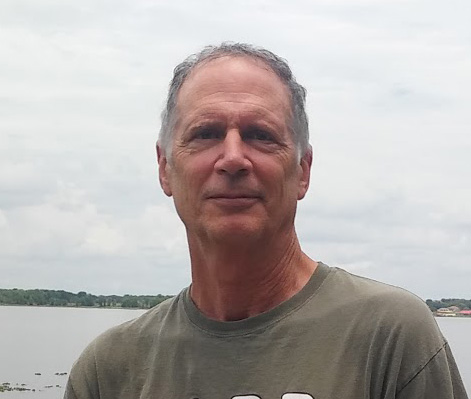
In this episode of The Billy Dees Podcast, Billy sits down with Dr. Marc J. Defant, a professor of geology and geochemistry at the University of South Florida whose work bridges the physical sciences and evolutionary psychology. With publications in top-tier journals like Nature and funding from organizations such as the National Science Foundation and National Geographic, Dr. Defant brings serious scientific credentials to a conversation that tackles one of the most controversial issues of our time: what happens when ideology begins to override evidence in academia.

Dr. Marc J. Defant has been on shows like the Joe Rogan Experience and the Dinesh D’Souza Podcast, and on this episode, he talks to Billy.

The discussion spans far beyond surface-level culture war talking points. Dr. Defant explains how evolutionary psychology emerged from biology and why human behavior—including sex differences, mate selection, competition, and social roles—cannot be explained by culture alone. Drawing from anthropology, neuroscience, and cross-cultural data, he outlines how traits like masculinity and femininity are deeply rooted in our evolutionary past, shaped over hundreds of thousands of years in hunter-gatherer societies. Billy pushes the conversation into real-world implications, exploring how modern debates over gender, masculinity, pay gaps, and social expectations often ignore biological realities in favor of politically convenient narratives.

What makes this episode stand out is its willingness to ask uncomfortable questions without demonizing individuals. Billy and Dr. Defant emphasize the importance of balance: acknowledging discrimination where it exists, while also rejecting the idea that society is governed by hidden systems designed to oppress. They discuss how concepts like “toxic masculinity,” social constructionism, and the politicization of psychology may be doing more harm than good—especially to young men navigating identity, purpose, and responsibility in an increasingly hostile cultural climate.

Ultimately, this conversation is about intellectual honesty. From the evolution of the human brain to modern academic institutions, Billy Dees and Dr. Marc Defant argue that truth matters more than ideology—and that science loses its value the moment it becomes activism in a lab coat. It’s a thoughtful, wide-ranging discussion that challenges listeners to reconsider what they’ve been told, ask better questions, and remain open to evidence, even when it’s inconvenient.

If you’re interested in long-form conversations that don’t shy away from complexity, this is an episode you won’t want to miss.

Friday LIVE with Cynthia Elliott – Nirvana – A Psychic’s Journey to the Final Rebirth

In this episode of The Billy D’s Podcast, Billy welcomes frequent co-host Cynthia Elliott—author, intuitive, nonprofit founder, and all-around multi-disciplinary creator—for a wide-ranging conversation that mixes commentary, personal experience, and cultural insight.

Cynthia Elliott

The discussion begins with Cynthia’s recent success as an author, as her books Memory Mansion and Unleashed Stompers climb the charts once again. But the episode quickly moves far beyond book promotion. Cynthia shares the mission behind her nonprofit, The SoulTech Foundation, which focuses on education, empowerment, and community building—particularly in underserved areas. One of its cornerstone initiatives is an AI Literacy Training Program designed to teach and certify 10,000 Americans with skills that will help them navigate an AI-driven future. The foundation also supports wellness programs, including meditation and yoga, to help people develop emotional and mental resilience.

Billy and Cynthia dive into deeper territory too—especially the growing dependence on AI, the importance of human self-awareness, and the mental health challenges emerging in the digital age. Cynthia discusses why she believes strengthening our inner life and presence is crucial as society becomes increasingly intertwined with technology.

The episode also explores Cynthia’s perspective on intuitive abilities, what people commonly misunderstand about the word “psychic,” and why she believes pattern recognition, energy awareness, and intuition are natural human capacities. Billy brings a scientific angle to the conversation, referencing studies on consciousness, the observer effect, and cutting-edge neural interface technologies like Neuralink.

Cynthia’s upcoming documentary, “Nirvana: A Psychic’s Journey to the Final Rebirth,” becomes another focal point. She explains how the project serves both as personal storytelling and as a resource for others navigating trauma, identity, and self-expression. The film also functions as a legacy for her son, offering him an honest narrative of her life and experiences.

Looking ahead, Cynthia shares several major events she’s leading or hosting:

  • TEDxMizner (February 4th): Featuring speakers discussing disruption in the age of AI.
  • Her Health Summit (October): A major event highlighting women’s health, especially for women over 40—an age group dramatically underrepresented in medical research.
  • SoulTech Magazine: A bi-monthly publication covering wellness, culture, spirituality, and updates from the foundation.

The conversation wraps with a discussion about the collective sense of global anxiety many people feel today—touching on social media’s influence, the “attention economy,” and why doom-scrolling contributes to emotional exhaustion.

This episode blends tech, spirituality, psychology, storytelling, and cultural commentary—capturing exactly what Billy D’s listeners expect: honest, curious conversation across a wide spectrum of ideas.

You can find Cynthia Elliott on X (Twitter) @Shamanisis

This episode was recorded live Friday November 14, 2025, at 8:00pm EST.

Tune in for a Thought-Provoking Episode on Autism Awareness

We’re excited to invite you to a compelling episode of the Billy Dees Podcast, titled, “A Discussion About Autism in the Wake of RFKjr’s Press Conference.”

Join host Billy Dees, along with our insightful guest co-host Chris Weekly, an advocate for autism awareness, as we dive deep into the recent comments made by Robert F. Kennedy Jr. on autism—comments that have ignited a great deal of conversation across various platforms.

Chris shares personal experiences with autism and sheds light on the genetic aspects of the condition. If you’ve ever wondered about the different facets of autism—from the barely noticeable to more pronounced challenges—this episode unpacks it all in a thoughtful manner.

 We believe that many brilliant minds in underrepresented communities might be going unnoticed due to misdiagnosis. We’ll discuss how better understanding can unlock potential and innovation.

Learn how the language surrounding autism impacts public perception, and why it’s essential for society to develop a deeper understanding—not just of autism, but of individuals who live with it.

This episode also tackles the misconceptions around terms like “epidemic,” and what that means for those affected by autism and their families. We explore why people fear certain terminology, and how we can foster a more supportive environment for everyone.

If you are as passionate about making a difference in understanding autism or simply curious about the complexities of neurodevelopmental conditions, you won’t want to miss this conversation. Tune in to hear all this and more, as we offer a sane discussion exploring both sides of RFKjr’s remarks —because that’s what good dialogue is all about!

Join us as we work together to cultivate understanding, empathy, and awareness. Your listenership is more than numbers; it’s about creating a community that thrives on knowledge and kindness.

Thank you, and we can’t wait for you to join us in this important conversation!

Billy Dees Podcast & Social Media Links

You can find Chris Weakly on X (Twitter) @kryptoglyfics