Perfect Media Productions, LLC is a media production and digital marketing service. We produce audio for radio, podcasts, and voice-overs. We also record and/or edit video for websites and social media.
This is the production home of the Billy Dees Podcast and other great podcasts.
Our blog section features a variety of topics including media, business, and pop culture.
When people think about marketing, public appearances, political campaigns, or building a personal brand, they naturally tend to focus on the visuals. Cameras, lighting, graphics, staging, and presentation all get plenty of attention.
But there is another part of the equation that can make or break how you are perceived: audio.
In this video, I take a technical—and decidedly non-political—look at a recent video of Amy Acton that circulated online and became the subject of criticism from her opponents. My point isn’t about politics or about taking sides. It’s about what happened to the sound, and what could have been done differently.
Oddly enough, many Acton supporters who are defending this clip don’t fully understand what went wrong.
Live events create a complicated audio environment. The sound that works for an audience sitting in an auditorium isn’t necessarily the sound that should be sent to television, social media, or other media outlets. A live audience has its own acoustics, crowd noise, applause, cheering, and the natural sound coming from the stage. The media feed needs to be mixed separately so that the person speaking—and the reaction of the audience—sound natural and balanced.
In the example discussed in the video, the speaker’s microphone is isolated and sounds noticeably different from what you would expect when someone is addressing a crowd. A properly designed media mix could have combined the speaker’s microphone with strategically placed ambient microphones, creating a much more natural representation of the event.
And that’s the larger lesson.
Poor audio can make a good presentation look bad.
Whether you’re a business owner, CEO, political candidate, public speaker, nonprofit leader, or someone building a personal brand, everything you say is part of your brand. If the audio sounds harsh, thin, distorted, overly isolated, or disconnected from the environment, the audience may not consciously understand what’s wrong—but they will notice that something doesn’t sound right.
I’ve spent a good portion of my career working with audio, and I realize that people like me are sometimes dismissed as “audio geeks.”
That’s okay.
But when you’re putting yourself, your company, your campaign, or your organization in front of an audience, it might be worth listening to the audio geeks before the bad recording becomes the thing everyone remembers.
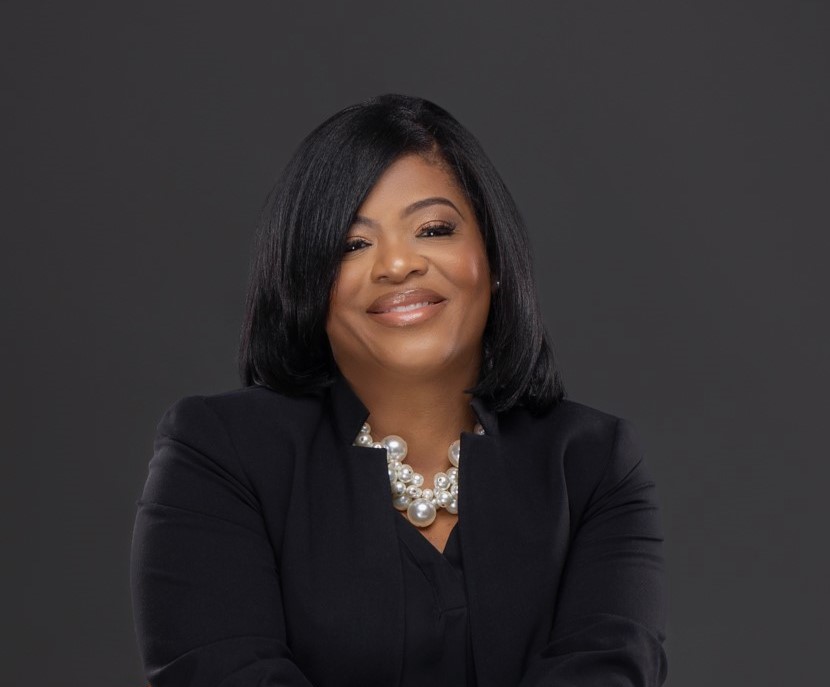
Starting a business is often celebrated as the ultimate expression of independence, ambition, and creativity. But what happens when it’s time to step away—or when life unexpectedly forces that decision? That’s the central question explored in Billy Dees’ engaging conversation with entrepreneur attorney and business strategist Scherrie L. Prince, who helps founders build businesses that are designed not only to grow, but to last.
Scherrie L. Prince
Throughout the discussion, Prince emphasizes a concept that many entrepreneurs overlook: every business should begin with the end in mind. Too many owners focus exclusively on launching and growing their companies without considering succession, disability, partnership disputes, retirement, or even death. Her philosophy is simple—if you don’t create a plan for your business and your estate, the state already has one waiting for you, and chances are you won’t like it. She encourages entrepreneurs to think about exit strategies from “day zero,” long before they believe they’ll ever need one.
The conversation also dives into the importance of building a solid legal and operational foundation. Prince explains that every business owner should have essential documents in place, including updated beneficiary designations, wills or trusts when appropriate, and clear partnership or operating agreements. These aren’t just legal formalities—they’re safeguards that protect families, business partners, employees, and the future of the company itself. As businesses become more visible, they also become more vulnerable to lawsuits, financial problems, employee disputes, and internal conflicts, making preparation even more critical.
Billy and Scherrie also challenge one of today’s most common business myths: that every company must constantly chase explosive growth. Prince argues that success isn’t measured by becoming the next Amazon or Walmart. For many entrepreneurs, building a stable, profitable business that supports their desired lifestyle is a far greater achievement than endless expansion. Growth should always align with the owner’s personal goals—not someone else’s definition of success. This refreshing perspective reminds listeners that sustainable businesses often outperform businesses that grow too quickly and become overextended.
Another fascinating segment explores why partnerships often begin with excitement but later become strained. Prince compares business partnerships to marriages, noting that people change over time and unforeseen challenges inevitably arise. Without clear agreements that outline responsibilities, conflict resolution, ownership rights, and exit procedures, even the strongest partnerships can deteriorate into expensive legal disputes. The lesson is clear: difficult conversations at the beginning of a business relationship are far easier than difficult lawsuits later.
Artificial intelligence also enters the conversation, not as an apocalyptic threat, but as a practical business tool that must be managed responsibly. Billy raises concerns about AI’s growing role in both business and personal decision-making, especially among younger generations. Prince agrees that AI can significantly improve efficiency, but cautions that companies must establish policies governing its use. Mishandling confidential information through AI platforms could expose businesses to data breaches, legal liability, and the loss of valuable intellectual property. Like any tool, AI provides tremendous benefits only when used thoughtfully.
One of the most inspiring parts of the interview centers on the entrepreneurial mindset itself. Billy points out that small business owners are often unfairly portrayed as greedy or uncaring, when in reality many sacrifice personal comfort simply to make payroll and support their employees. Prince echoes that sentiment, explaining that entrepreneurship requires resilience, courage, and long-term thinking. She distinguishes between founders who become trapped working in their businesses and those who eventually learn to work on them by building systems, delegating responsibility, and developing leadership rather than trying to do everything themselves.
For aspiring entrepreneurs, Prince offers one of the episode’s most memorable ideas: consider the cost of inaction. Many people hesitate to start businesses because they’re afraid of failure, yet they rarely calculate the opportunities they’re losing by doing nothing. Time will pass regardless. The question becomes whether you’ll spend those years building something of your own or wondering what might have happened if you’d taken the leap. Success doesn’t require knowing everything on day one—it requires surrounding yourself with trusted advisors and remaining willing to learn along the way.
Billy Dees closes the conversation by highlighting Prince’s own mission through her Play Big Faster Podcast, where she shares practical advice with founders and business leaders. Just like this interview, her work focuses on actionable strategies rather than empty motivation. Listeners walk away with valuable insights on legal planning, business growth, leadership, succession, and the importance of building companies that are prepared for both opportunity and uncertainty.
This episode serves as an excellent reminder that entrepreneurship isn’t simply about starting a business—it’s about building something resilient enough to survive life’s inevitable changes. Whether you’re launching your first venture, growing an established company, or simply dreaming about becoming your own boss someday, Billy Dees and Scherrie L. Prince deliver practical wisdom that can help entrepreneurs make smarter decisions today while preparing for tomorrow.
Our relationship with social media has continually evolved. Over the past year, two significant shifts have reshaped the landscape.
First, feeds are no longer primarily driven by user follows. Instead, algorithms now prioritize “for you” content based on user behavior. As a result, many of your followers may not see your posts, depending on the platform.
Second, social media business models have diversified. Subscription-based services and political influences have altered user bases across platforms. Where most users once engaged with two or three major platforms, new apps emerge constantly, demanding attention.
For The Billy Dees Podcast, podcast listens have increased across platforms like Apple Podcasts, Spotify, Audible, and Goodpods. We attribute this to digital media consumers actively searching for content on dedicated podcast platforms. With a well-established 10-year presence, we benefit from this shift, driven by the decline of legacy media, particularly cable news.
Our priority remains creating high-quality content for our loyal listeners rather than chasing social media followers. The connection between social media engagement and podcast listens is not as strong as it once was.
That said, we still value a social media presence but are refining our approach. Moving forward, we will focus on Facebook and X (formerly Twitter). Facebook allows for more detailed discussions, while X keeps us engaged with real-time trends—this combination feels right for 2025.
Meanwhile, platforms like TikTok, Bluesky, and Clapper will take a backseat. Managing multiple platforms demands significant resources, and our audience shouldn’t have to monitor too many.
If you’d like to follow us on social media, Facebook and X@BillyDees are the best places. More importantly, we encourage you to subscribe to The Billy Dees Podcast on your favorite podcast platform—it’s free, and you won’t miss an episode.