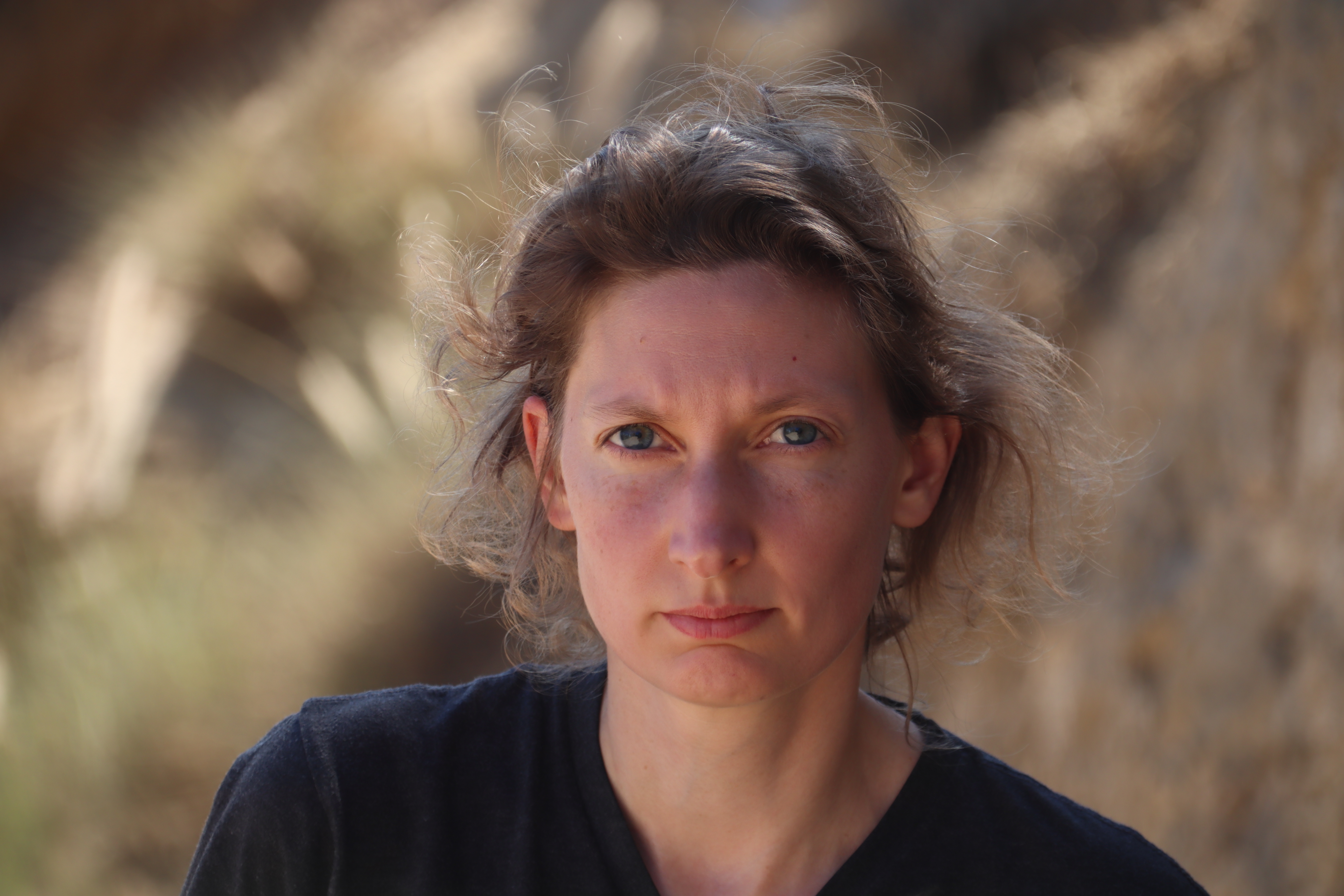
What happens when a successful corporate executive decides to pursue a lifelong creative passion? For author and filmmaker Angela Page, the answer is a remarkable second act built around storytelling, history, and perseverance.

On this episode of The Billy Dees Podcast, Angela Page shares the fascinating journey that took her from managing multinational corporate collections for companies like Microsoft, Siemens, and Honeywell to writing award-winning films and historical fiction. Along the way, she offers thoughtful insights into creativity, reinvention, World War II history, and the evolving entertainment industry.
Bringing Family History to Life
At the center of the conversation is Angela’s latest novel, Enrico G., a historical fiction work inspired by the extraordinary life of her great-grandfather. Far more than a family memoir, the novel explores decades of Italian history, spanning the country’s unification, massive waves of immigration, both World Wars, and the rise and fall of Benito Mussolini.
Angela explains that historical fiction allows writers to weave documented events together with imaginative storytelling, creating narratives that make history more accessible and emotionally engaging. Her meticulous research uncovered ship manifests, historical records, and wartime accounts that helped reconstruct her ancestor’s incredible life as a chef who crossed the Atlantic sixteen times before ultimately returning to Italy during one of the country’s most turbulent periods.
Rather than simply recounting historical events, Angela paints a vivid picture of how ordinary families experienced extraordinary moments in history.
The Importance of Remembering History
One of the interview’s most compelling discussions centers on historical awareness—or, in many cases, the lack of it.
Billy and Angela reflect on how many people today possess only a surface-level understanding of World War II and the events that shaped modern Europe. Angela discusses little-known chapters of Italian history, including Mussolini’s arrest, imprisonment, and dramatic rescue by German forces, explaining how these events directly intersected with her own family’s experiences.
The conversation expands into a thoughtful discussion about why preserving these stories matters. As the generation that lived through World War II continues to disappear, firsthand accounts become increasingly rare. Historical fiction, Angela argues, can serve as a powerful bridge between documented history and contemporary audiences who may never hear those stories firsthand.
Turning Research Into Film
While Enrico G. exists today as a novel, it actually began life as a screenplay.
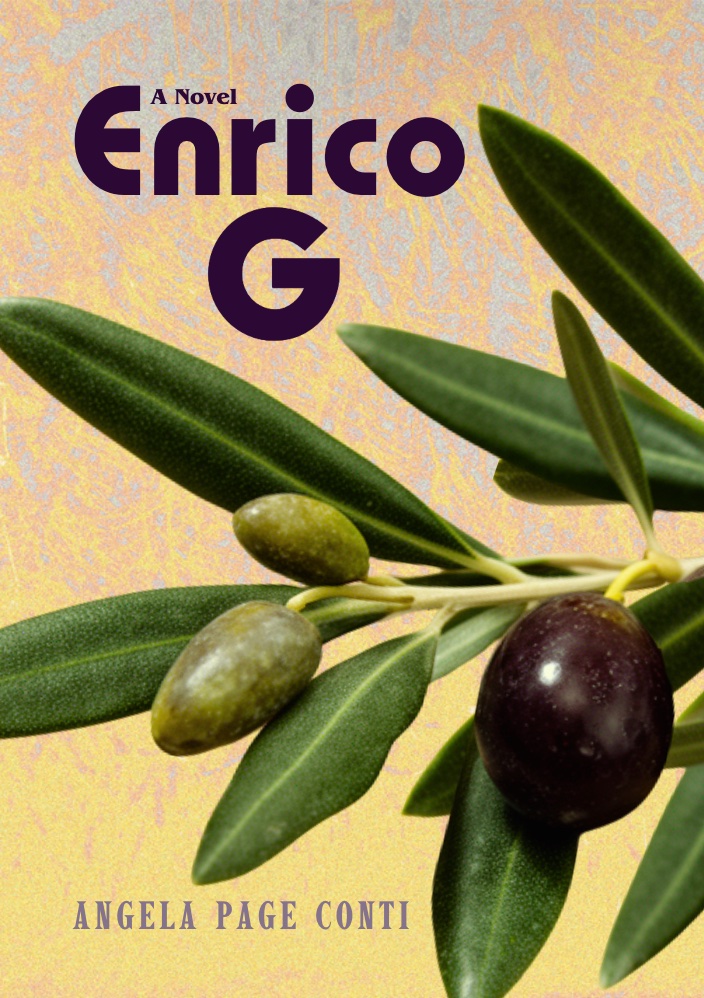
Angela reveals that she originally envisioned the story as a feature film before being encouraged to develop the intellectual property through a novel first. She now believes the sweeping narrative would be ideally suited for a limited television series, allowing viewers to experience multiple decades of European history through the lens of one remarkable family.
The discussion also explores the realities of independent filmmaking, including international co-productions, film festivals, and the shifting landscape of movie production outside traditional Hollywood studios.
Reinvention After a Successful Career
One of the most inspiring portions of the interview focuses on career reinvention later in life.
After building a successful corporate career, Angela eventually decided to pursue the creative ambitions she had held since her youth. Rather than making an abrupt leap, however, she spent years writing, studying acting, and producing smaller projects while still working full-time.
Her advice is refreshingly practical: don’t wait until retirement to begin pursuing your passion. Instead, start building your second career while you’re still working. That gradual transition gave her both experience and confidence before making the leap into writing and filmmaking full time.
Angela believes many people reach midlife realizing that while they may have built successful careers, they never truly pursued what they loved most. Her story demonstrates that it’s never too late to begin.
Creativity in the Age of Artificial Intelligence
Billy and Angela also tackle one of today’s hottest topics: artificial intelligence and its impact on writers and filmmakers.
Rather than viewing AI as an outright threat, Angela sees it as a tool that should enhance—not replace—human creativity. She explains that many authors and screenwriters already use AI for brainstorming, organizing ideas, creating summaries, or overcoming small creative roadblocks.
However, she also discusses growing efforts within the publishing community to distinguish human-created work from AI-generated content, emphasizing that authentic storytelling remains rooted in human experience, emotion, and perspective.
Advice for Aspiring Writers
For anyone hoping to write a book, screenplay, or simply tell their own story, Angela offers encouraging advice.
She recommends beginning with the simplest step: write.
Don’t worry about perfection. Capture ideas as they come, whether by typing, handwriting, or recording voice notes. Great stories often begin as small fragments that evolve through revision and feedback.
She also stresses the value of joining writers’ groups, accepting constructive criticism, and developing resilience. Success in publishing and filmmaking rarely comes quickly, but persistence often separates those who eventually succeed from those who give up too soon.
An Inspiring Conversation About Passion and Persistence
Billy Dees’ interview with Angela Page is far more than a discussion about one book. It’s a conversation about preserving history, embracing lifelong learning, adapting to technological change, and having the courage to pursue creative dreams regardless of age.
Whether you’re interested in World War II history, historical fiction, independent filmmaking, or simply looking for inspiration to begin your own creative journey, this episode offers valuable insights and practical wisdom from someone who successfully transformed a lifelong passion into a thriving second career.
For readers and aspiring writers alike, Angela Page reminds us that every family has stories worth telling—and sometimes those stories become the bridge that connects generations while preserving history for the future.