Truth, Free Speech, and the Search for Common Ground: My Conversation with Joel Rakow

I recently had a fascinating conversation with Joel Rakow, author of Life in Woke America: A Family’s Story of Truth and Betrayal Under Fire.

This discussion may come in a little hot for some people’s taste but that is okay, we do that here. Our discussion covered some pretty big topics: free speech, censorship, political polarization, China, the Constitution, and what happens when institutions begin deciding which ideas are acceptable and which ones should be pushed aside. Whatever your political perspective, I think these are conversations worth having because the questions surrounding truth and free expression affect all of us.

One of the most interesting parts of our conversation centered on the COVID-19 pandemic and the way information was handled during those early years. I told Joel that I could understand why political leaders initially relied heavily on medical experts during a crisis. When something potentially catastrophic is happening, nobody wants to ignore legitimate scientific advice. But as time went on, I believe it became increasingly difficult to separate public-health decisions from politics. Joel described a similar turning point for himself, particularly as he watched information and opinions that challenged the prevailing consensus get dismissed or attacked. For both of us, the larger issue wasn’t necessarily whether every controversial theory was correct. It was whether people should be allowed to ask questions and examine competing information without being silenced.

That idea of censorship became an important part of our discussion of Joel’s book. The novel is a work of fiction inspired by real events, including the discovery of a Chinese biological laboratory in California that became the subject of a congressional investigation. Joel uses that premise to tell a much broader story about a soldier, an orphan, institutional pressure, and the consequences of challenging powerful organizations. He also described what he believes has happened to his own book during the publishing and online distribution process, including what he calls “shadow banning.” His concern is that censorship doesn’t always look like someone explicitly saying “no.” Sometimes, he argues, it looks like a story simply disappearing from view, receiving little attention, or becoming difficult for people and even artificial-intelligence systems to find. Whether every example has an intentional explanation or not, the larger question is certainly worth examining: How do we know what we are not seeing?

We also talked about political movements and the Constitution. I made the point that I don’t think this is exclusively a left-versus-right issue. Both sides of American politics have had periods when movements have gone too far. Good intentions can produce bad outcomes, particularly when people become so convinced of their own righteousness that they stop listening to anyone who disagrees with them. Joel’s response was to focus on the Constitution as a framework for evaluating government and political power. That led to one of the more intriguing ideas of our conversation: his development of what he calls the Liberty Scorecard, an AI-based concept designed to examine government officials, candidates, institutions, and even cultural products according to constitutional principles. The goal, as Joel explained it, is to move beyond partisan opinion and give people another tool for evaluating whether actions and policies align with constitutional values.

Perhaps the biggest takeaway from my conversation with Joel Rakow is that we are living in an era when everyone has a voice, but that doesn’t necessarily mean everyone has access to the same information. Social media and artificial intelligence have dramatically changed who gets to participate in public conversations. That can be both empowering and dangerous. We have more information available to us than at any other point in history, yet we also have more opportunities to be isolated inside information bubbles that reinforce what we already believe. For me, the answer isn’t to silence opposing viewpoints. It’s the opposite. We need more open discussion, more questioning, and more willingness to hear ideas we may strongly disagree with. Truth doesn’t need protection from questions. If something is true, it should be able to withstand scrutiny. That was one of the central themes of my conversation with Joel, and it’s a subject I believe deserves considerably more discussion.
Grassroots Politics, Property Taxes, AI, and the Future of Kansas – Billy Dees Talks with Gubernatorial Candidate Stacy Rogers

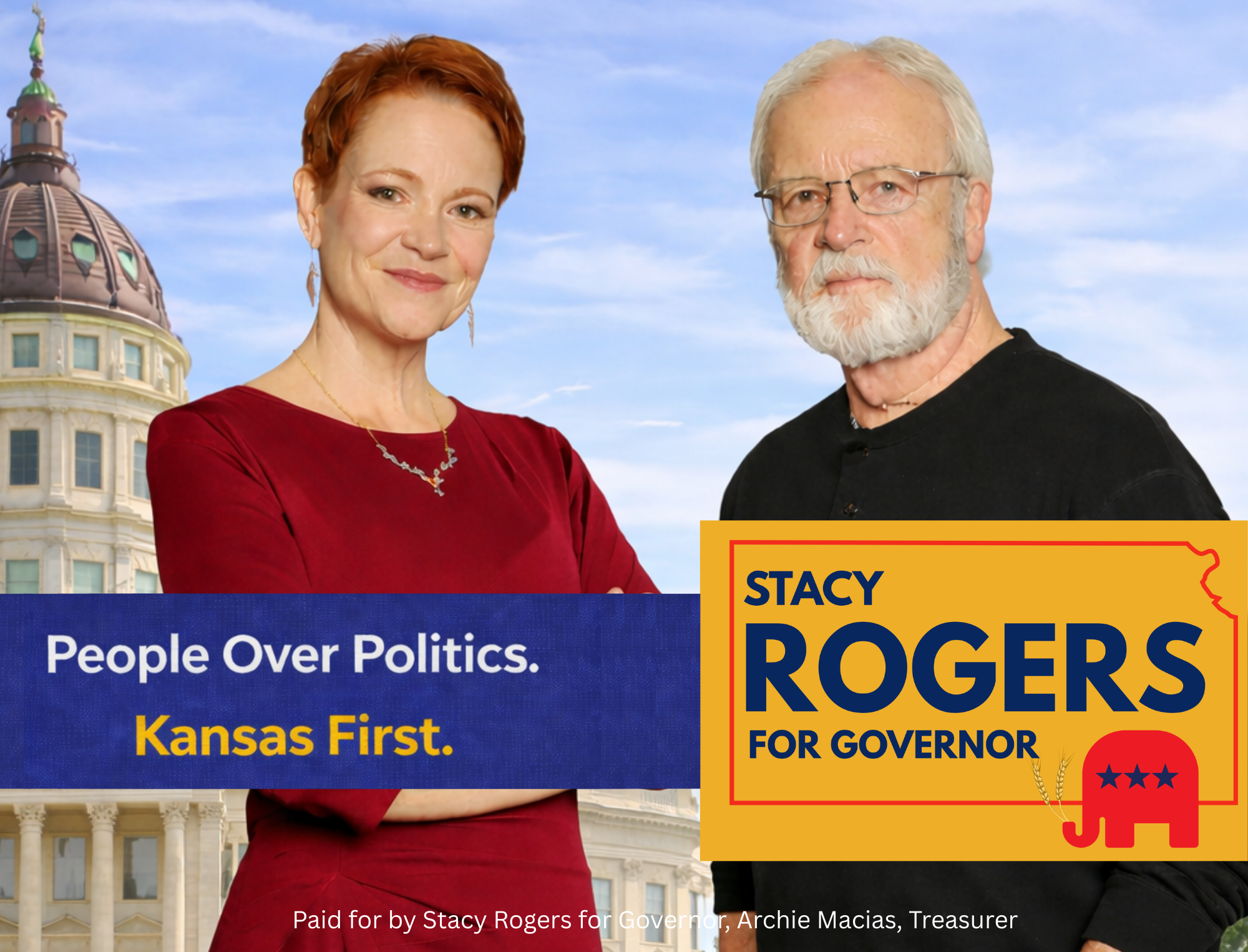
On this episode of The Billy Dees Podcast, Billy sits down with Kansas gubernatorial candidate Stacy Rogers for an in-depth conversation about the issues shaping not only Kansas but many communities across America. Rather than relying on political talking points, Rogers offers a firsthand perspective from someone who has spent nearly two years traveling the state, meeting voters face-to-face in towns both large and small.

Stacy Rogers

The discussion begins with Rogers explaining what motivated her to seek one of the highest offices in Kansas. Frustrated by the direction of state government and believing many Kansans had become disillusioned with the political process, she decided to enter the race herself. Throughout the interview, she emphasizes a recurring theme: too many citizens feel ignored by government, and restoring trust begins with elected officials who are willing to listen rather than simply campaign.

One of the most compelling segments focuses on the growing controversy surrounding massive AI-driven data centers. While artificial intelligence continues to expand rapidly, Rogers argues that many communities are being asked to accept enormous industrial projects without adequate transparency. She discusses concerns over land use, water consumption, electrical infrastructure, noise pollution, and the long-term environmental impact of these facilities.

Billy explores the national implications of the AI boom, noting the exploding demand for computing power and questioning how America can remain competitive while also protecting local communities. The conversation highlights the difficult balance between technological innovation and responsible governance. Rogers maintains that progress is inevitable, but believes states must establish clear safeguards before approving projects that could permanently reshape local economies and landscapes.

Property taxes emerge as another major topic. Rogers argues that rising property taxes have become one of the greatest financial burdens facing Kansas homeowners, particularly retirees living on fixed incomes. She questions whether citizens should continue paying taxes indefinitely on homes they have already purchased outright. Billy notes that similar debates are taking place across Ohio and many other states, making the discussion especially relevant beyond Kansas.

The conversation also examines state spending, economic development incentives, and the use of STAR Bonds, a financing mechanism Kansas has employed for large projects. Rogers expresses concern that taxpayers often shoulder significant financial risks while investors receive the greatest rewards. Billy and Rogers also discuss the widely publicized effort to attract the Kansas City Chiefs across the state line, using it as an example of broader questions surrounding government incentives and fiscal responsibility.

Education occupies another substantial portion of the interview. Rogers believes the state’s education system needs significant reform despite receiving the largest share of the state budget. She argues that too much funding is consumed by administration while teachers remain underpaid and classrooms under-resourced. She advocates returning to foundational skills such as handwriting, reading, and practical education while reducing unnecessary bureaucracy.

Billy expands the discussion by examining how technology is changing education nationwide. From students relying on artificial intelligence to complete assignments to declining handwriting skills, both agree that education should focus on developing critical thinking rather than simply producing test scores. Rogers also emphasizes helping students become truly prepared for adulthood through practical skills and stronger academic fundamentals.

The interview takes on a broader philosophical tone as the discussion turns to the challenges facing American families. Rogers argues that many social problems are interconnected, linking education, housing costs, inflation, healthcare, nutrition, and economic opportunity. Rather than treating each issue in isolation, she suggests policymakers must examine the underlying causes affecting families across the country.

Perhaps the most distinctive aspect of the interview is Rogers’ campaign strategy itself. Instead of relying primarily on expensive advertising, she has traveled throughout Kansas visiting coffee shops, restaurants, libraries, senior centers, gas stations, and small businesses. Her goal has been to meet voters where they live and work rather than expecting them to attend campaign events. She explains that in several communities she became the first gubernatorial candidate residents had ever met in person.

Billy observes that this grassroots approach reflects what many Americans wish politics would become again—more personal, more accessible, and less driven by massive fundraising operations. Their conversation touches on the growing appetite among voters for candidates who present themselves as public servants rather than career politicians.

Throughout the episode, Billy maintains his trademark conversational interviewing style, allowing thoughtful discussion while occasionally injecting humor into serious topics. Rather than encouraging partisan conflict, the interview explores complex policy questions in a way that invites listeners to think critically about technology, government accountability, education, taxation, and civic engagement.

Whether you’re interested in state politics, the future of artificial intelligence, education reform, or the changing relationship between citizens and government, this episode offers a wide-ranging conversation that extends well beyond Kansas. It’s a thoughtful look at the challenges facing communities across America—and the importance of listening to the people who call those communities home.

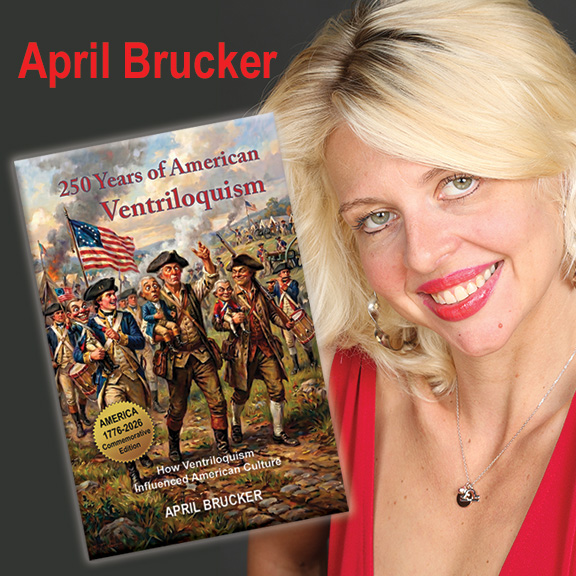
250 Years of American Ventriloquism – More Than Talking Dummies with April Brucker

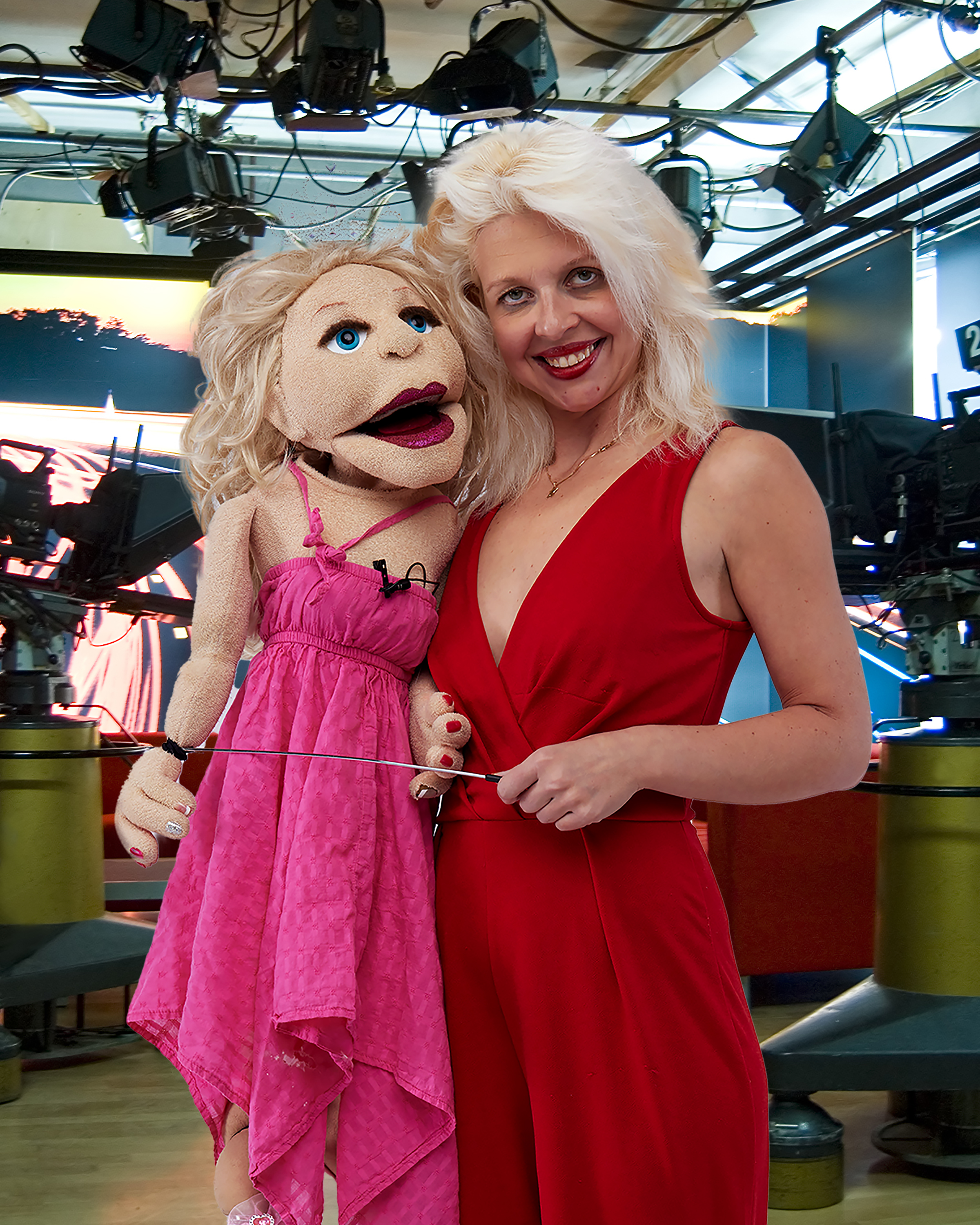
Most people think of ventriloquism as a novelty act—a performer with a puppet delivering jokes from a comedy stage. But according to author, comedian, actress, and professional ventriloquist April Brucker, the art form has played a much larger role in American history than most people realize. On this episode of The Billy Dees Podcast, Billy sits down with April to discuss her fascinating new book, 250 Years of American Ventriloquism: How Ventriloquism Influenced American Culture, and the surprising ways ventriloquism has shaped entertainment, broadcasting, politics, and popular culture.

The conversation explores the rich history of ventriloquism, tracing its influence from early American medicine shows and vaudeville stages to the golden age of radio and television. April explains how legendary performers such as Edgar Bergen and Charlie McCarthy helped redefine broadcasting, while later icons like Shari Lewis, Paul Winchell, and Willie Tyler expanded the art form into children’s programming and mainstream entertainment. Along the way, listeners will discover remarkable historical stories, including the groundbreaking career of Richard Potter, one of America’s earliest celebrity entertainers.

The interview also highlights April’s own journey into ventriloquism. From growing up in western Pennsylvania without cable television to becoming a nationally recognized performer appearing on Judge Jerry, My Strange Addiction, and What Would You Do?, she shares how persistence and passion helped build her career. The episode features appearances from her wisecracking puppet Mae Wilson, whose humor demonstrates why puppets often get away with saying things that people cannot. Their exchanges provide some of the funniest moments of the conversation while illustrating the timeless appeal of character comedy.

Billy and April also discuss how artificial intelligence, digital avatars, and emerging technology may influence the future of entertainment. Rather than seeing AI as a threat, April argues that ventriloquists have always embraced innovation while maintaining the uniquely human connection that live performance offers. The discussion touches on the psychology behind puppets, why audiences form emotional connections with them, and why ventriloquism continues to thrive despite changing media landscapes.

Whether you’re a fan of comedy, broadcasting history, live performance, or simply enjoy uncovering overlooked stories from American culture, this episode offers an entertaining and informative conversation filled with humor, history, and unexpected insights. It’s a reminder that some of the most fascinating chapters of American entertainment history come from places few people think to explore—and that a talking dummy might have more to teach us than we ever imagined.

Church, State, and the Forgotten Founder of Religious Freedom

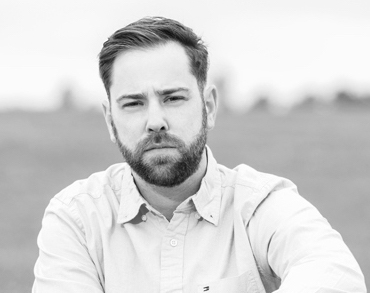
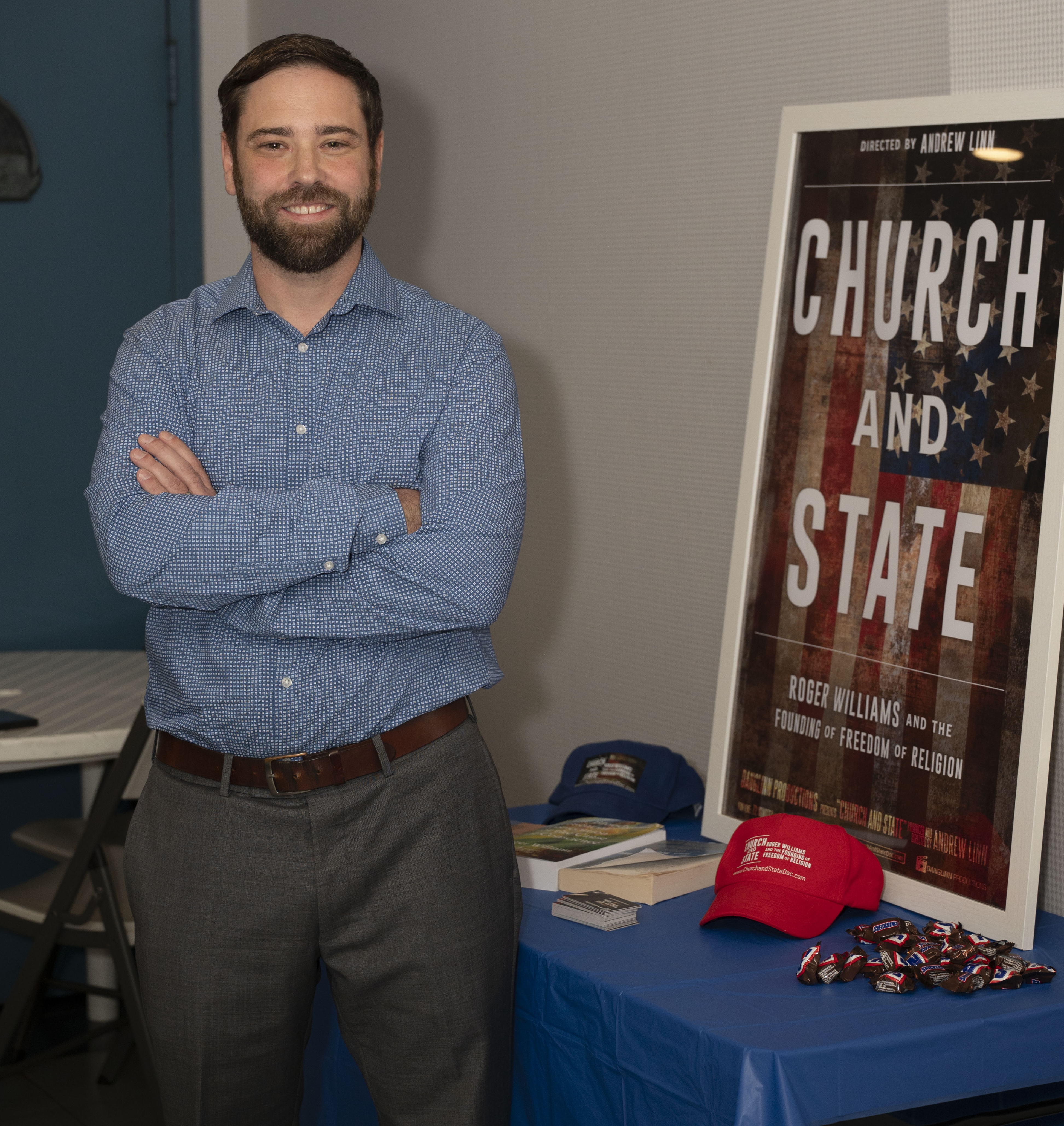
Andrew Linn

On this episode of The Billy Dees Podcast, Billy welcomes documentary filmmaker Andrew Linn to discuss his film Church and State: Roger Williams and the Founding of Freedom of Religion. The conversation explores one of the most frequently misunderstood concepts in American history—the separation of church and state—and the remarkable story of Roger Williams, a largely forgotten figure whose ideas helped shape religious liberty in the United States.

Linn explains that many Americans mistakenly interpret the separation of church and state as freedom from religion rather than freedom of religion. Through the story of Roger Williams, listeners learn how the founder of Rhode Island challenged the religious authorities of the Massachusetts Bay Colony and advocated for liberty of conscience at a time when dissent could lead to banishment or worse. Williams’ belief that faith could not be compelled by government became a cornerstone of the American experiment and helped establish one of the earliest examples of religious freedom in the world.

The discussion expands beyond history into the modern cultural and political landscape. Billy and Andrew examine the role of religion in public life, the influence of faith on the Founding Fathers, and the ongoing debate over how religious beliefs intersect with politics. They also explore the decline of traditional community institutions, the rise of cultural division, and the challenges of maintaining civil discourse in an increasingly polarized society.

Throughout the interview, Linn argues that understanding the true history behind religious liberty is essential to understanding America itself. Whether listeners are deeply religious, skeptical, or simply interested in history, this episode offers a thought-provoking examination of faith, freedom, and the principles that continue to shape public debate today. It’s a fascinating conversation that encourages listeners to look beyond modern talking points and revisit the historical roots of one of America’s most cherished freedoms.

This is the link to the Church and State Documentary Website where people can find several different ways to stream the Documentary and learn more info about the film. ChurchandStateDoc

Sidney Pines – Author of the Patriot’s Diary Series

Sidney Pines

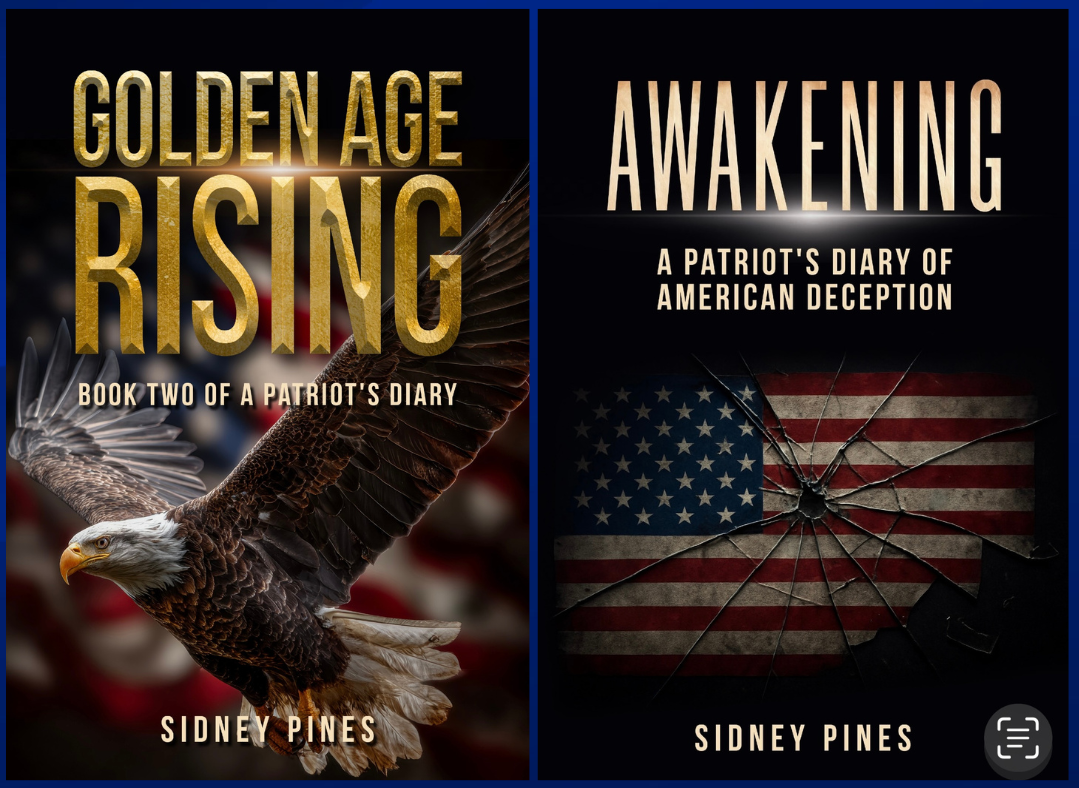
In this episode of The Billy Dees Podcast, Billy sits down with author Sidney Pines, whose journey from political disengagement to conservative commentator inspired her bestselling Patriot Diary series. Pines describes herself as an “everyday American” who began noticing what she believed were inconsistencies in news coverage and government narratives during 2020. What started as personal research and journal entries for future generations eventually evolved into a published book series, beginning with Awakening: A Patriot’s Diary of American Deception and continuing with the recently released Golden Age Rising.

Throughout the conversation, Pines reflects on her political awakening and discusses how many Americans who previously paid little attention to politics found themselves drawn into national debates over the past several years. She argues that growing distrust in traditional institutions, media organizations, and government agencies has fueled interest in topics often labeled as conspiracy theories. Pines maintains that many issues once dismissed by mainstream commentators have later received broader public scrutiny, contributing to a growing skepticism among segments of the population.

Billy and Sidney also explore the increasing polarization in American society. Both note how political disagreements that once remained civil have, in many cases, evolved into deeply personal divisions among friends and family members. Pines emphasizes the importance of respectful dialogue and says she has little interest in forcing her views on others, preferring instead to share her perspective and allow people to reach their own conclusions. The discussion highlights concerns about how social media algorithms, partisan news coverage, and online echo chambers may reinforce existing beliefs rather than encourage open-minded discussion.

The conversation then turns to the changing media landscape. Billy discusses the decline of traditional broadcast news and the rise of podcasts and independent media as sources of information. Together, they examine the challenges of navigating a world where artificial intelligence, social media algorithms, and competing narratives make it increasingly difficult to determine what information can be trusted. While both acknowledge concerns about misinformation, they also see opportunities for alternative voices and independent creators to reach audiences outside traditional media channels.

The episode concludes with a discussion about the future of journalism, public discourse, and political commentary. Whether listeners agree with Sidney Pines’ viewpoints or not, the conversation offers a thoughtful look into the mindset of a growing segment of Americans who feel disconnected from mainstream institutions and are seeking alternative explanations for the events shaping the nation. It is an engaging discussion about belief, skepticism, media influence, and the evolving political landscape of modern America.

You can follow Sidney Pines on X @Sidney1776

From Military Service to Mystery Writing – A Conversation with Kat Anderson

Kat Anderson

In this episode of The Billy Dees Podcast, Billy welcomes author and retired Air Force veteran Kat Anderson for a fascinating conversation that spans military service, storytelling, politics, mythology, and the enduring appeal of the unexplained. Anderson, whose debut novel No Rest for the Wicked is set against the vivid backdrop of Las Vegas, discusses her unique journey from a 20-year Air Force career to becoming a writer of paranormal noir fiction. Along the way, she shares insights into how life experiences, personal challenges, and curiosity about the unknown have shaped both her worldview and her creative work.

The discussion explores why people remain captivated by mysteries, conspiracies, and paranormal phenomena. Drawing on influences ranging from The X-Files to modern conversations about unidentified aerial phenomena, Anderson and Dees examine humanity’s desire to find meaning beyond the everyday. Their conversation balances skepticism and wonder, touching on government secrecy, public trust, and the enduring fascination with questions that may never have definitive answers.

Anderson also offers a thoughtful look at the themes behind No Rest for the Wicked. The novel blends detective fiction, mythology, supernatural elements, and reflections on time itself. Inspired in part by personal experiences caring for her father during his battle with Parkinson’s disease and dementia, Anderson explains how time became a central theme in her storytelling. Rather than serving merely as a science-fiction device, time functions as an emotional force within the narrative, shaping characters, memories, and the sense of mortality that touches every human life.

Beyond fiction, the conversation delves into Anderson’s experiences as a political commentator and her observations about today’s media landscape. She reflects on writing for political audiences, the changing role of podcasts in public discourse, and the importance of hearing diverse perspectives outside traditional media channels. Throughout the interview, Anderson demonstrates the same curiosity and independent thinking that inform both her commentary and her fiction.

Whether you’re interested in mystery novels, military stories, political discussion, or the deeper questions surrounding time and human nature, this episode offers an engaging and wide-ranging conversation. Kat Anderson’s journey from Air Force veteran to novelist highlights the power of reinvention, creativity, and the willingness to pursue passions that may have been set aside earlier in life. It’s a compelling discussion about storytelling, resilience, and the search for meaning in both fiction and reality.

LA Mayor Race – Insider’s Take on Politics, Homelessness, & Crime

On this episode of the Billy Dees Podcast, Billy welcomes filmmaker and frequent co-host Sara Alessandrini for a wide-ranging conversation about life in Los Angeles, the city’s mayoral race, homelessness, crime, political polarization, and the changing culture of America’s major cities.

Sara Alessandrini

Drawing from her firsthand experience living and working in Los Angeles for more than a decade, Sara offers an on-the-ground perspective rarely heard in mainstream political commentary. From managing historic Hollywood properties to navigating homelessness encampments, public safety concerns, and the realities of city life, she shares stories that paint a vivid picture of a city struggling with identity, infrastructure, and leadership.

Billy and Sara also explore the broader political climate surrounding California and New York, discussing figures like Gavin Newsom, Karen Bass, and Los Angeles mayoral candidate Spencer Pratt. Their conversation examines how progressive politics, public policy, and cultural shifts are shaping America’s urban centers, while also touching on deeper issues such as mental health, addiction, family breakdown, and the erosion of community life.

The episode also highlights Sara’s documentary project, This Is What New Yorkers Say, as she discusses her move from Los Angeles to New York and her continuing work as a filmmaker and political commentator. Whether you are interested in politics, urban culture, media, or simply hearing honest conversations about the challenges facing modern cities, this episode delivers an engaging and thought-provoking discussion.

You can find Sara on X @diswhatnyerssay and visit her website.