Perfect Media Productions, LLC is a media production and digital marketing service. We produce audio for radio, podcasts, and voice-overs. We also record and/or edit video for websites and social media.
This is the production home of the Billy Dees Podcast and other great podcasts.
Our blog section features a variety of topics including media, business, and pop culture.
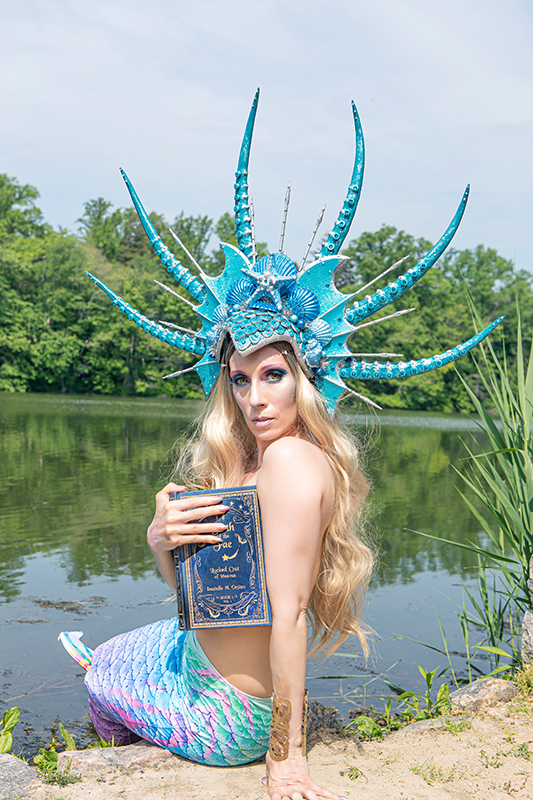
This episode of the podcast features a lively and wide-ranging conversation between Billy Dees and fantasy author, martial artist, and cosplayer Danielle M. Orsino. The discussion begins with Orsino’s unconventional journey into writing, sparked by storytelling sessions with a patient undergoing medical treatment. From those humble beginnings, she developed her Legacies of Light and Dark series, building a creative career that blends instinctive storytelling with immersive character development. Her path highlights a recurring theme throughout the episode: creativity doesn’t always follow a traditional or “trained” route, and sometimes the most compelling stories emerge organically.
As the conversation unfolds, Orsino shares how her background in martial arts and cosplay deeply influences her writing process. She describes storytelling as a physical and emotional experience—often acting out scenes, embodying characters, and even using cosplay to better understand their personalities. This multidisciplinary approach sets her apart, especially in a genre often dominated by conventional methods. The discussion also offers practical insight for aspiring writers, touching on discipline, overcoming writer’s block, navigating the publishing industry, and learning when to trust—or question—editorial feedback.
The episode also explores broader themes in fantasy, fandom, and entertainment culture. Orsino speaks candidly about the challenges of being a female author in the fantasy space, where audience expectations can sometimes clash with her more traditional, non-romance-driven storytelling style. The conversation expands into commentary on Hollywood, the evolution of superhero media, and the growing influence of AI in creative industries. Throughout, the dialogue remains thoughtful and grounded, offering listeners a behind-the-scenes look at both the creative process and the shifting landscape of modern storytelling.
This episode of The Billy Dees Podcast featuring Billy Dees and Lorie Kleiner Eckert centers on personal growth, resilience, and redefining what it means to live a fulfilling life. The conversation is anchored around Eckert’s book Chai on Life, which blends storytelling with practical life lessons drawn from her own experiences. Rather than offering abstract theories, she emphasizes “everyday wisdom”—simple, relatable insights that encourage listeners to find meaning in ordinary moments, embrace gratitude, and let go of the pressure to be perfect.
A major theme throughout the discussion is the rejection of perfectionism in favor of a more balanced, compassionate approach to life. Eckert introduces the idea that “good enough” can often be exactly what’s needed, depending on the situation. Through examples ranging from parenting to creative work, she argues that constantly striving for perfection can lead to burnout and missed opportunities, while accepting limitations can lead to greater productivity and peace of mind. The episode also explores self-acceptance, encouraging people to treat themselves with the same kindness they offer others and to quiet the internal voice of criticism.
The conversation also delves into navigating life’s inevitable changes—what Eckert calls “reinvention.” Whether facing challenges like divorce, aging, or career shifts, she advocates for maintaining healthy routines and taking small, consistent steps forward. Alongside this, the episode touches on mental health, the importance of seeking support without stigma, and how to stay grounded in a world filled with negativity and uncertainty. Overall, the podcast delivers an uplifting yet practical message: life is difficult, but with perspective, humor, and small daily efforts, it’s entirely possible to move forward and find joy.
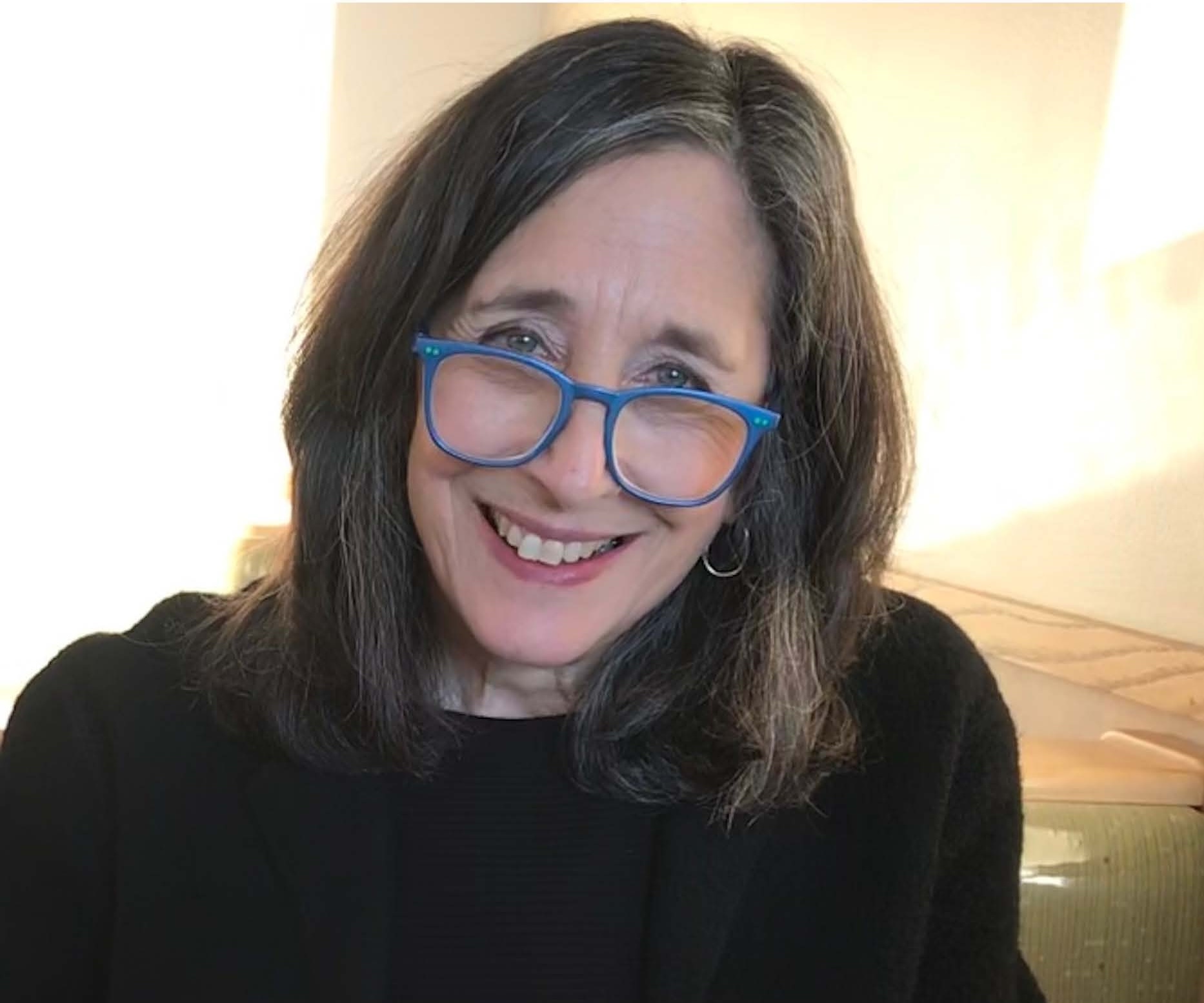
In this episode of The Billy Dees Podcast, host Billy Dees welcomes returning guest Sara Alessandrini for a wide-ranging discussion that blends media analysis, politics, and cultural perspective. Alessandrini—an accomplished commentator and filmmaker—joins the program to discuss her work and recent writing, including a Substack essay examining the political messaging and policy contradictions surrounding New York City politics. The conversation offers listeners both analysis and context, particularly for those trying to understand the intersection of media narratives and political branding.
Sara Alessandrini
A key focus of the discussion is Alessandrini’s documentary, This Is What New Yorkers Say, a multi-part project that explores the intense media cycle surrounding former New York governor Andrew Cuomo. The series examines how the media helped elevate Cuomo during the early days of the pandemic before later turning sharply critical. Dees and Alessandrini reflect on how this rise-and-fall dynamic mirrors broader trends in modern media, where public figures are often rapidly built up and then dismantled in the public arena.
The conversation then shifts to Alessandrini’s recent Substack article examining the political image and policy messaging of Zohran Mamdani, the current mayor of New York City. Alessandrini argues that the real issue is not necessarily what Mamdani says publicly, but what his messaging leaves unsaid. Together, she and Dees analyze how political branding, campaign promises, and governing realities can diverge—particularly when leaders campaign on ambitious economic proposals while facing complex fiscal realities once in office.
Beyond policy debates, the episode also explores broader themes about ideology, populism, and political movements. Alessandrini explains the role of the Democratic Socialists of America and how grassroots political organizations influence local elections and policy conversations. The discussion highlights how political narratives often evolve through media framing, activist movements, and public perception, shaping how voters understand complex economic and social issues.
Throughout the episode, Alessandrini offers a unique perspective as an immigrant and international observer of American politics. Her reflections on cultural identity, media framing, and political rhetoric provide an additional layer to the conversation, reminding listeners that debates in the United States are often viewed very differently from abroad. The result is a thoughtful and lively exchange that reflects the signature format of The Billy Dees Podcast: informed commentary paired with engaging interviews that challenge audiences to think more critically about politics, media, and the stories that shape public perception.
In this episode of the podcast, Billy Dees sits down with Canadian author Cinda Gault for a sweeping, thoughtful conversation that moves fluidly between literature, feminism, history, politics, and culture. What unfolds is not just an interview about books—it’s an exploration of how identity is shaped, challenged, and remembered across decades.
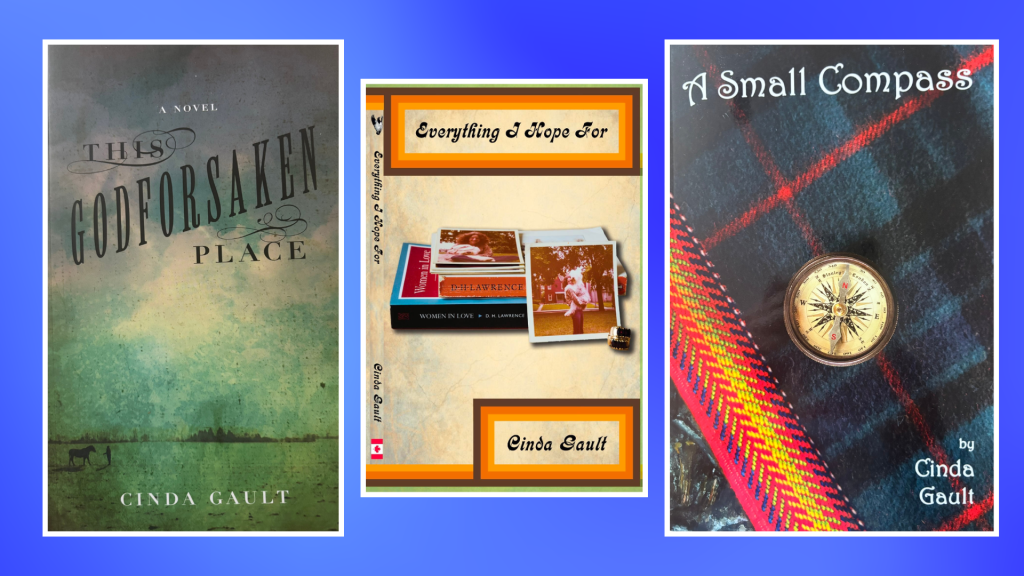
Cinda Gault
Cinda Gault, author of This Godforsaken Place, A Small Compass, and Everything I Hope For, brings a rare combination of lived experience, academic rigor, and storytelling instinct to the microphone. The result is a dialogue that feels both deeply personal and intellectually expansive.
From Feminist Activism to Fiction
Cinda Gault’s journey to fiction didn’t begin with dreams of literary fame—it began with activism.
As a young woman in 1970s Canada, she was immersed in second-wave feminism, helping establish rape crisis centers and shelters for victims of domestic violence. Armed with an undergraduate degree in psychology from the University of Guelph and later an MA in criminology from the University of Toronto, she worked in social services—including a stint as a prison guard in a men’s prison.
Eventually, she discovered something important about herself: she didn’t want to manage people—she wanted to tell stories.
Her first published novel, a Harlequin Super Romance released in 1988, emerged from that realization. Writing romance, she notes, is far trickier than people assume. Getting two characters to fall in love is easy. Keeping them in meaningful conflict for 350 pages—without making either look foolish—is the real craft.
Years later, revisiting that manuscript (originally typed on a manual typewriter) became a meditation on how technology changes—but human emotion doesn’t. The landlines, phone booths, and tape recorders had to be updated. The romance itself held steady.
“People fall in love now the way they always have.”
The 1970s: A Divided Memory
One of the episode’s most compelling segments centers on the 1970s.
Billy recalls childhood freedom in the United States—bikes, Evel Knievel ramps, and a life lived outdoors without screens. Cinda Gault, by contrast, remembers a “heady” period of political awakening as a university student in Canada.
Under Prime Minister Pierre Trudeau, Canada experienced a surge of nationalism alongside second-wave feminism. For women, the era meant access—to education, to careers, to autonomy. The birth control pill became widely available. Women entered professions previously closed to them. University enrollment patterns would eventually flip from male-dominated to female-majority.
Yet the conversation avoids nostalgia traps. Both host and guest reflect on how movements evolve—and sometimes overcorrect.
Cinda Gault observes that the feminism of her generation was rooted in a simple demand: “Get out of my way.” It was about autonomy and responsibility. Today, she suggests, identity politics has sometimes shifted from equality to equity in ways that complicate that earlier clarity.
It’s not a condemnation—but a generational reflection.
Canada, Autonomy, and the Abortion Question
One of the most illuminating moments in the episode comes when Billy raises a surprising fact: Canada is the only Western nation without a federal abortion law.
Cinda Gault explains the history, referencing the legal battles of Dr. Henry Morgentaler and the 1988 Supreme Court decision that struck down Canada’s abortion law. Unlike the United States—where abortion remains a central, polarizing issue—Canada’s legislative structure and constitutional culture have produced a different outcome.
She ties this to Canada’s unique national formation: a country born from compromise between French and British identities. Without a singular cultural narrative like America’s “melting pot,” Canada evolved with an instinct toward pluralism—“leave people room.”
The discussion is nuanced and civil. Rather than turning partisan, it becomes a reflection on how national identity shapes law, and how literature reflects cultural undercurrents long before legal systems codify them.
Music, Community, and Cultural Shifts
From politics, the conversation pivots to music—another defining force of the 1960s and 70s.
Billy recalls the communal experience of gathering around a hi-fi system to listen to new albums—music as event, as conversation, as cultural glue. Cinda Gault agrees, recounting how even her children were stunned by the originality of albums like Abbey Road.
Both acknowledge that while good music still exists, the shared cultural moment has fractured in the age of earbuds and streaming algorithms.
It’s a subtle but powerful theme of the episode: technology advances, but something communal may be lost.
History, Myth, and What Survives
Cinda Gault’s historical fiction is rooted in a central question: What survives history—and what doesn’t?
She shares the story of discovering an obscure footnote about Isobel Gunn, a woman who disguised herself as a man to work for the Hudson’s Bay Company in the early 1800s and was only discovered when she gave birth in a remote trading post.
The archival records detail weather, cargo, employee duties. What they don’t record are hopes, fears, motivations—the interior life.
That’s where fiction steps in.
Her comparison of Annie Oakley to Wayne Gretzky becomes emblematic of her approach: recognizing excellence and complexity beyond political alignment. Oakley, she notes, embodied strength and independence—yet wasn’t aligned with feminist movements. History doesn’t always fit ideological boxes.
The conversation even touches on figures like Jesse James, exploring how cultural memory can romanticize criminals depending on who tells the story. It’s a reminder that mythmaking is as much about identity as it is about fact.
Identity, Progress, and Personal Responsibility
Perhaps the most resonant theme of the episode is balance.
Cinda Gault acknowledges that major gains were made in women’s rights during her lifetime. She also questions whether modern discourse sometimes forgets that progress has occurred. Billy echoes this, suggesting that refusing to acknowledge improvement can make meaningful reform harder.
They agree on one key principle: equality ultimately means seeing one another as individuals.
It’s a rare moment in modern media—an honest, respectful exchange across national and generational lines without shouting, slogans, or caricature.
Final Thoughts
This episode stands out not just for its literary insights, but for its tone. It’s curious. It’s measured. It’s exploratory.
Cinda Gault brings academic depth, activist history, and storytelling passion to the discussion. Billy Dees brings cultural reflection and a willingness to ask hard questions without hostility.
Together, they create something increasingly uncommon in today’s media landscape: a long-form conversation that trusts the audience to think.
For readers interested in historical fiction, Canadian identity, feminism, or simply how stories shape nations, this is an episode worth hearing—and Cinda Gault’s books are worth reading.
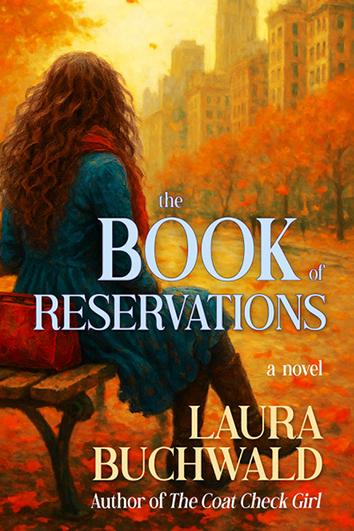
On this episode of The Billy D’s Podcast, Billy sits down with author Laura Buchwald for a thoughtful and emotionally resonant conversation about grief, storytelling, and her novel The Book of Reservations. The discussion opens with a universal question: What if you could have just one more meal with someone you’ve lost? That longing—especially powerful around holidays, anniversaries, and meaningful traditions—sits at the core of Buchwald’s work. Her novel introduces a protagonist who can communicate with the dead, setting the stage for a story that blends love, loss, and the enduring human desire for connection beyond death.
Laura shares how her lifelong passion for writing eventually led her to novels, and how real-life experiences with grief—particularly the loss of her father—deeply shaped her creative process. Rather than treating grief as a linear journey, she describes it as personal, unpredictable, and cumulative. The conversation explores themes of belief versus skepticism, hospice experiences, and the possibility that death may not be the end. Billy and Laura thoughtfully examine how people process loss differently, and how storytelling can offer comfort, meaning, and even gratitude in the face of sorrow.
The interview also dives into the craft and discipline of writing in today’s changing landscape. Laura offers candid advice for aspiring writers about embracing messy first drafts, persevering through rejection, and writing from a place of genuine love rather than chasing trends. They also touch on the role of AI in creative work, the pressures of publishing, and the importance of preserving local culture—particularly neighborhood restaurants, which inspire the novel’s setting. Described as a cross between The Bear and Ghosts, The Book of Reservations weaves together restaurant life, spiritual connection, and human relationships, making this conversation a rich listen for readers, writers, and anyone navigating grief while searching for meaning.
In this episode of The Billy Dees Podcast, Billy welcomes author and poet Andrea LeDew, whose new book Polemics: Political Poems & Prose spans nearly a decade of American political history—from 2016 through early 2025. The conversation explores her creative process, her background in law and literature, and the personal experiences that shape her work.
Andrea explains that Polemics began as a way to process political events that felt unsettling or out of step with the American ideals she grew up with. Each poem in the collection is paired with a short explanation of the real-world event that inspired it, turning the book into both a creative and historical meditation. Her work ranges from sharp satire to somber reflection, and she discusses how humor sometimes helps her strip powerful figures of their mystique, while other moments call for a more serious, even foreboding tone.
Billy and Andrea dive into the long tradition of poets responding to political and historical moments, and Andrea shares examples—such as the James Comey “loyalty” episode and Trump’s “lunatic” tweet—that sparked specific poems. They also explore how her opinions on issues like Confederate statues have changed over time, influenced in part by her travels in Europe and a deeper understanding of how symbols are interpreted by different communities.
Beyond politics, the conversation takes a personal turn as Andrea describes raising a son with autism, navigating special education, homeschooling, and the social challenges families often face. She pushes back against misconceptions—especially the false link between vaccines and autism—and emphasizes how little support exists once children age out of school. Her legal background, she says, has played a role in advocating for her son and understanding the broader structural obstacles families encounter.
Andrea also talks about her lifelong love of rhyme and traditional poetic structure, describing it as both a creative discipline and a way to preserve the musicality of language in an age when memorization is rare. She recently completed the painstaking work of recording her audiobook, an experience Billy relates to from his own broadcasting career.
Throughout the episode, listeners are treated to an insightful, thoughtful exchange about writing, politics, history, disability, and the evolving story of America itself. Andrea’s reflections offer not only context for her book but a reminder of how personal and political narratives intertwine.
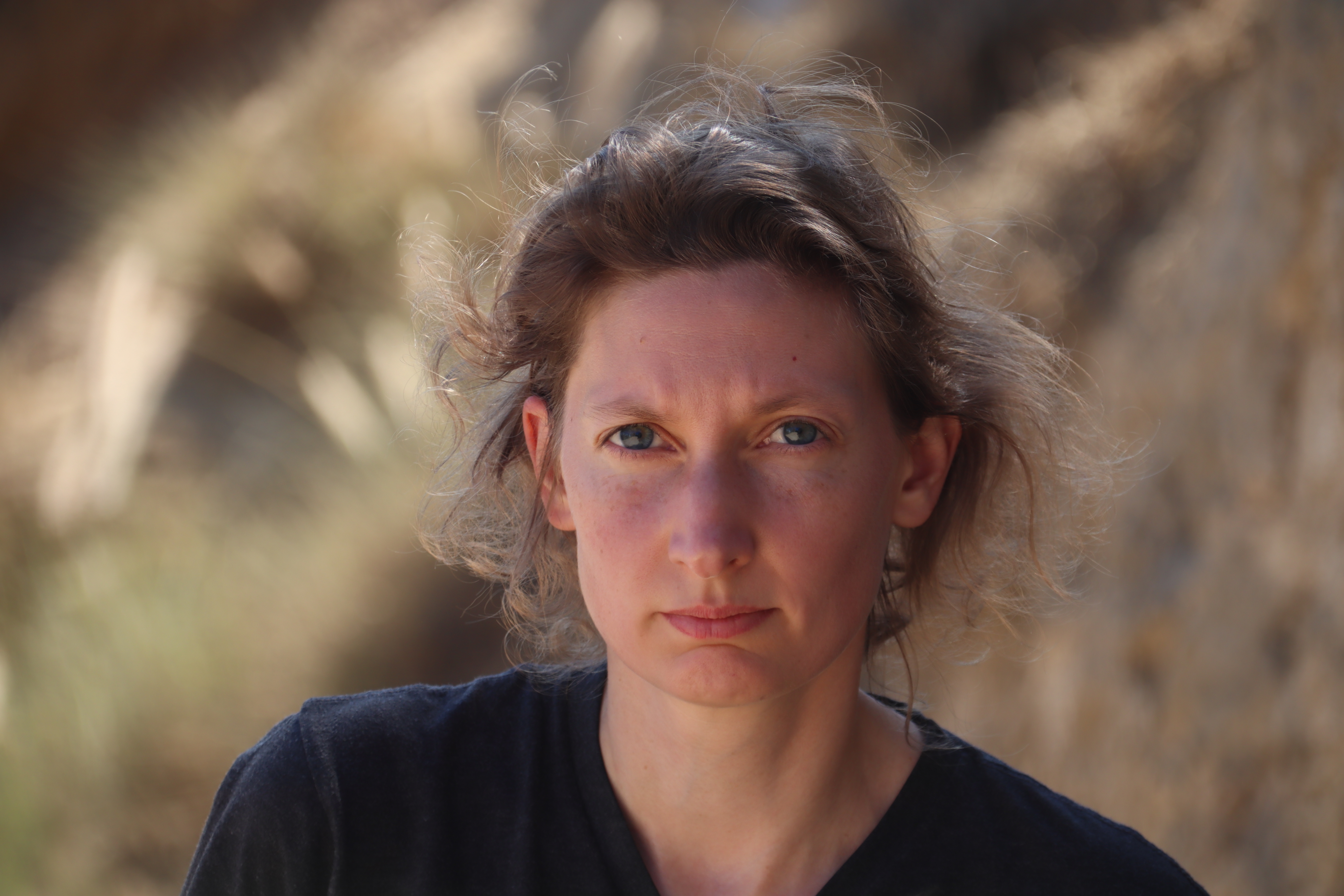
In this episode of The Billy D’s Podcast, Billy welcomes frequent co-host Cynthia Elliott—author, intuitive, nonprofit founder, and all-around multi-disciplinary creator—for a wide-ranging conversation that mixes commentary, personal experience, and cultural insight.
Cynthia Elliott
The discussion begins with Cynthia’s recent success as an author, as her books Memory Mansion and Unleashed Stompers climb the charts once again. But the episode quickly moves far beyond book promotion. Cynthia shares the mission behind her nonprofit, The SoulTech Foundation, which focuses on education, empowerment, and community building—particularly in underserved areas. One of its cornerstone initiatives is an AI Literacy Training Program designed to teach and certify 10,000 Americans with skills that will help them navigate an AI-driven future. The foundation also supports wellness programs, including meditation and yoga, to help people develop emotional and mental resilience.
Billy and Cynthia dive into deeper territory too—especially the growing dependence on AI, the importance of human self-awareness, and the mental health challenges emerging in the digital age. Cynthia discusses why she believes strengthening our inner life and presence is crucial as society becomes increasingly intertwined with technology.
The episode also explores Cynthia’s perspective on intuitive abilities, what people commonly misunderstand about the word “psychic,” and why she believes pattern recognition, energy awareness, and intuition are natural human capacities. Billy brings a scientific angle to the conversation, referencing studies on consciousness, the observer effect, and cutting-edge neural interface technologies like Neuralink.
Cynthia’s upcoming documentary, “Nirvana: A Psychic’s Journey to the Final Rebirth,” becomes another focal point. She explains how the project serves both as personal storytelling and as a resource for others navigating trauma, identity, and self-expression. The film also functions as a legacy for her son, offering him an honest narrative of her life and experiences.
Looking ahead, Cynthia shares several major events she’s leading or hosting:
TEDxMizner (February 4th): Featuring speakers discussing disruption in the age of AI.
Her Health Summit (October): A major event highlighting women’s health, especially for women over 40—an age group dramatically underrepresented in medical research.
SoulTech Magazine: A bi-monthly publication covering wellness, culture, spirituality, and updates from the foundation.
The conversation wraps with a discussion about the collective sense of global anxiety many people feel today—touching on social media’s influence, the “attention economy,” and why doom-scrolling contributes to emotional exhaustion.
This episode blends tech, spirituality, psychology, storytelling, and cultural commentary—capturing exactly what Billy D’s listeners expect: honest, curious conversation across a wide spectrum of ideas.
You can find Cynthia Elliott on X (Twitter) @Shamanisis
This episode was recorded live Friday November 14, 2025, at 8:00pm EST.








 Perfect Media Productions, LLC