Perfect Media Productions, LLC is a media production and digital marketing service. We produce audio for radio, podcasts, and voice-overs. We also record and/or edit video for websites and social media.
This is the production home of the Billy Dees Podcast and other great podcasts.
Our blog section features a variety of topics including media, business, and pop culture.
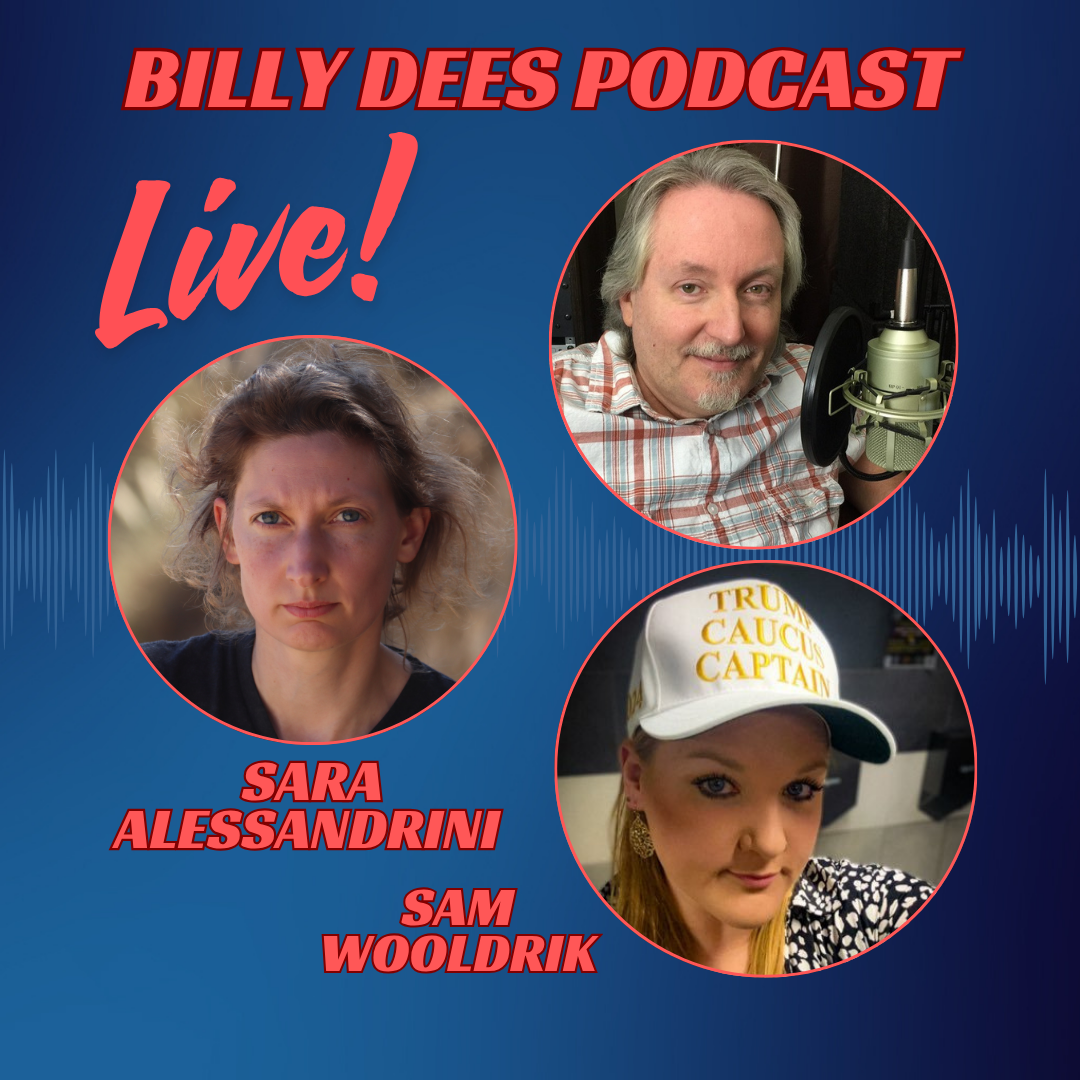
This live episode (Mar 19, 2026, 8:00pm EST) of The Billy Dees Podcast brings together host Billy Dees, filmmaker and commentator Sara Alessandrini, and podcaster Sam Wooldrik for a wide-ranging, unscripted discussion that reflects the fast-moving and often chaotic nature of today’s media and political landscape.
The conversation moves fluidly across major global and domestic issues—including tensions with Iran, immigration policy, and the ongoing intrigue surrounding the Epstein case—while also examining how these topics are shaped, distorted, and amplified by modern media and the podcasting space itself. At its core, the episode explores how public discourse has become increasingly polarized, emotional, and, at times, disconnected from nuance or reality.
Clip from the Episode
Throughout the discussion, each guest brings a distinct perspective shaped by their background and experience. Alessandrini offers an international lens, emphasizing the complexity of global events and the importance of understanding cultural context, while Wooldrik provides insight into the evolving podcast ecosystem and the challenges of navigating misinformation, sensationalism, and audience expectations.
Billy Dees anchors the conversation with a focus on media responsibility and the need for balanced, thoughtful dialogue. Together, they highlight a central tension of the modern era: the struggle to maintain credibility, reason, and meaningful conversation in an environment increasingly driven by outrage, virality, and competing narratives.
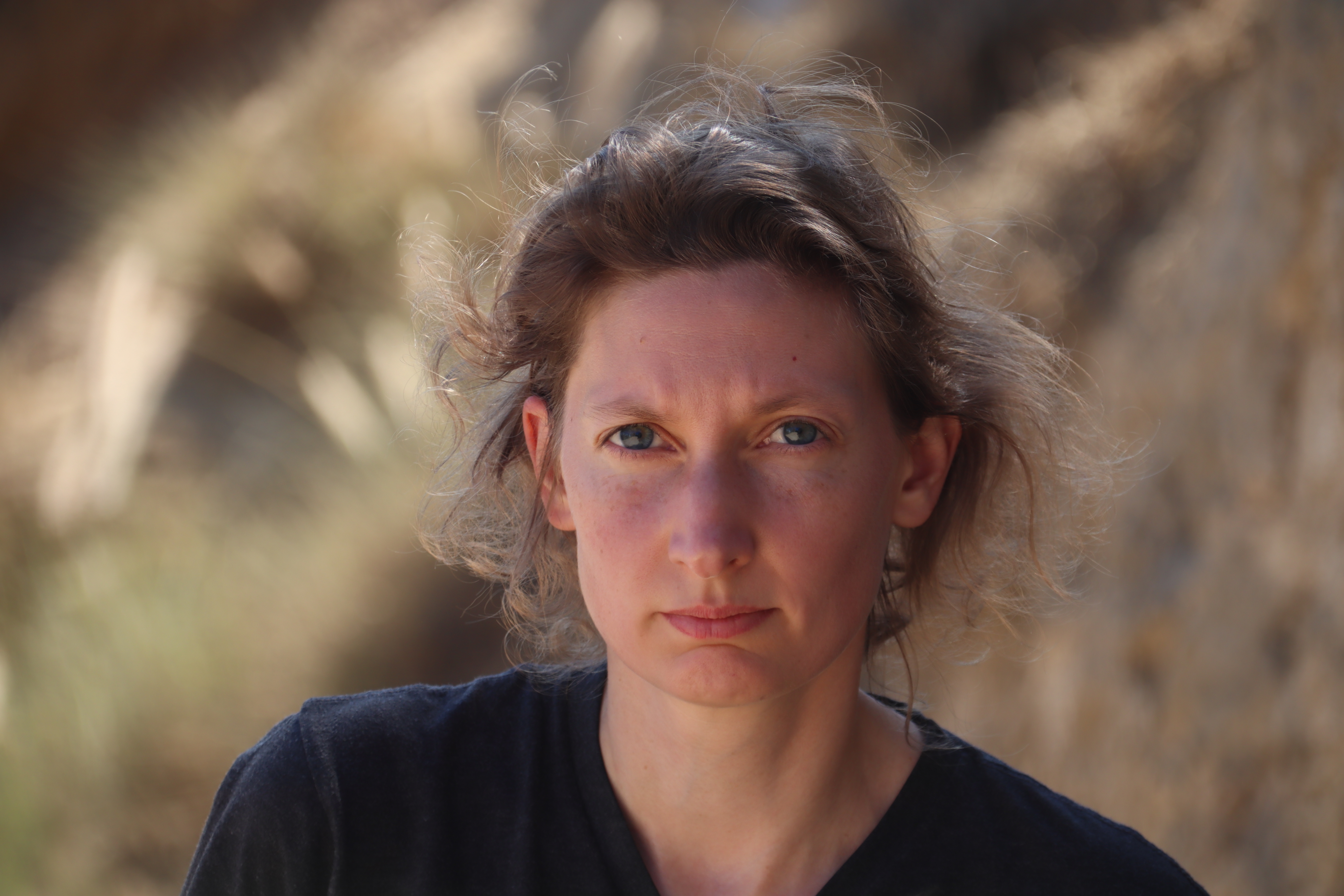
In this episode of The Billy Dees Podcast, host Billy Dees welcomes returning guest Sara Alessandrini for a wide-ranging discussion that blends media analysis, politics, and cultural perspective. Alessandrini—an accomplished commentator and filmmaker—joins the program to discuss her work and recent writing, including a Substack essay examining the political messaging and policy contradictions surrounding New York City politics. The conversation offers listeners both analysis and context, particularly for those trying to understand the intersection of media narratives and political branding.
Sara Alessandrini
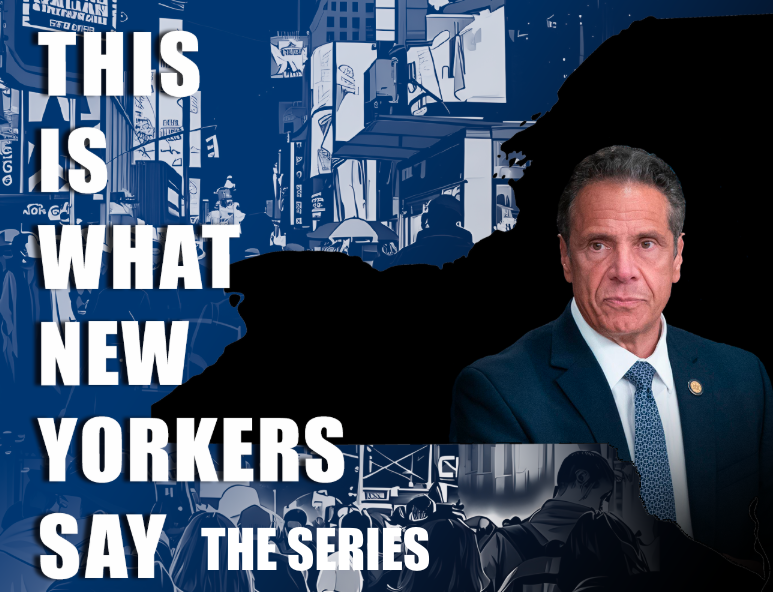
A key focus of the discussion is Alessandrini’s documentary, This Is What New Yorkers Say, a multi-part project that explores the intense media cycle surrounding former New York governor Andrew Cuomo. The series examines how the media helped elevate Cuomo during the early days of the pandemic before later turning sharply critical. Dees and Alessandrini reflect on how this rise-and-fall dynamic mirrors broader trends in modern media, where public figures are often rapidly built up and then dismantled in the public arena.
The conversation then shifts to Alessandrini’s recent Substack article examining the political image and policy messaging of Zohran Mamdani, the current mayor of New York City. Alessandrini argues that the real issue is not necessarily what Mamdani says publicly, but what his messaging leaves unsaid. Together, she and Dees analyze how political branding, campaign promises, and governing realities can diverge—particularly when leaders campaign on ambitious economic proposals while facing complex fiscal realities once in office.
Beyond policy debates, the episode also explores broader themes about ideology, populism, and political movements. Alessandrini explains the role of the Democratic Socialists of America and how grassroots political organizations influence local elections and policy conversations. The discussion highlights how political narratives often evolve through media framing, activist movements, and public perception, shaping how voters understand complex economic and social issues.
Throughout the episode, Alessandrini offers a unique perspective as an immigrant and international observer of American politics. Her reflections on cultural identity, media framing, and political rhetoric provide an additional layer to the conversation, reminding listeners that debates in the United States are often viewed very differently from abroad. The result is a thoughtful and lively exchange that reflects the signature format of The Billy Dees Podcast: informed commentary paired with engaging interviews that challenge audiences to think more critically about politics, media, and the stories that shape public perception.
On this episode of The Billy Dees Podcast, Billy Dees sits down with Jeff Kruszyna, founder and CEO of JMK Victory, a direct response marketing agency that has helped raise more than $100 million for political campaigns, PACs, veterans’ organizations, and advocacy groups.
The conversation explores the intersection of politics, marketing, and cultural identity in modern America. From the long-term impact of September 11th to the rise of what Kruszyna calls the “patriot economy,” the discussion examines how values-driven consumerism is reshaping business, fundraising, and political campaigns
From 9/11 to a Career in Political Marketing
Jeff Kruszyna’s path into political marketing began with a defining moment in American history.
As an 18-year-old freshman studying computer science at Stony Brook University, Kruszyna was walking across campus when he first heard reports that a plane had struck the World Trade Center. Like many Americans, he rushed to a television and watched events unfold in real time.
That moment changed the trajectory of his life.
Feeling a renewed sense of purpose and patriotism, Kruszyna switched his major from computer science to political science, graduating summa cum laude and Phi Beta Kappa. He soon became involved in the conservative movement and direct response fundraising, eventually building a career helping organizations connect with supporters and donors.
More than two decades later, he has worked extensively with political campaigns and nonprofits focused on issues ranging from veterans’ advocacy to constitutional liberties.
The Emergence of the “Patriot Economy”
One of the central themes of the discussion is Kruszyna’s concept of the “patriot economy.”
According to him, a growing number of Americans are making purchasing decisions based not only on price or convenience—but on shared values and ideological alignment.
Consumers increasingly want to know:
What a company stands for
Whether its leadership reflects their beliefs
Where their money ultimately goes
In recent years, major brands have taken public stances on social and political issues, particularly during the COVID-19 era. In response, many entrepreneurs have launched alternative businesses aimed specifically at consumers who want to support pro-America, pro-freedom, or constitutional values.
The result is a parallel marketplace where products—from coffee to cell phone services—are marketed directly to consumers who want their spending to reflect their political or cultural identity.
A Changing Political Landscape
Billy Dees also raises a broader concern about the current political climate.
In decades past, he notes, political rivals such as Ronald Reagan and Tip O’Neill or Bill Clinton and Newt Gingrich could fiercely disagree while still operating within a shared political framework.
Today, the landscape feels different.
Many Americans now identify strongly with political or cultural “teams,” often consuming information primarily through algorithms that reinforce their existing beliefs. According to Kruszyna, this is both a benefit and a challenge of the digital age.
Social media has made communication easier than ever—but it has also intensified ideological echo chambers.
Despite this polarization, Kruszyna argues that most Americans still share a core sense of national pride and common ground. The challenge for campaigns and organizations is communicating messages that resonate beyond partisan noise.
The Psychology Behind Fundraising
Another major focus of the episode is the psychology of giving.
Kruszyna explains that successful fundraising—whether for political campaigns or nonprofits—comes down to three core elements:
Emotion – People respond to stories that move them.
Identity – Donors want to support causes that align with who they are.
Direct response marketing, particularly direct mail fundraising, relies heavily on storytelling. A well-crafted fundraising letter often highlights a real person or situation to illustrate the organization’s mission.
The goal is to create a personal connection that encourages the reader to act—whether by signing a petition, joining a campaign, or making a donation.
Why Direct Mail Still Works in the Digital Age
One of the more surprising insights from the conversation is that direct mail remains a powerful fundraising tool, even in the age of social media and digital marketing.
While email and text messaging are inexpensive and immediate, physical mail offers something digital channels often cannot: attention and memorability.
Kruszyna points out that:
Email inboxes are crowded and easy to scroll past.
A physical letter often stays visible in a home for days.
The mailbox today is less competitive than it once was.
Direct mail also blends art and science. Every detail—from envelope color to font choice to postage style—is carefully designed to capture attention within the few seconds someone spends sorting their mail.
The ultimate objective is simple: persuade the recipient to open the letter and engage with the message.
Lessons for Modern Political Campaigns
As the conversation turns toward upcoming election cycles, Kruszyna emphasizes one critical lesson for campaigns:
Start early.
Building a donor base and grassroots support network takes time. Campaigns that delay fundraising efforts often struggle to build the momentum needed for long-term success.
He recommends an omni-channel strategy that includes:
Direct mail
Email marketing
Digital advertising
Text messaging
Grassroots outreach
Each channel reinforces the others, helping campaigns maintain consistent engagement with supporters.
A Conversation About Politics, Media, and Identity
The interview ultimately becomes more than a discussion about fundraising or marketing tactics.
It is a broader conversation about how identity, politics, and consumer behavior intersect in modern America. As cultural divisions deepen and technology continues to reshape communication, organizations and campaigns must find new ways to connect with audiences who increasingly view the world through ideological lenses.
For Billy Dees, the discussion highlights both the challenges and the opportunities of the current era.
Whether through politics, nonprofit work, or entrepreneurship, the growing emphasis on values-driven engagement is transforming how Americans vote, donate, and spend their money.
Listen to the full episode of The Billy Dees Podcast to hear the complete conversation with Jeff Kruszyna and explore how marketing strategy, political identity, and storytelling are shaping today’s fundraising landscape.
In this episode of the podcast, Billy Dees sits down with Canadian author Cinda Gault for a sweeping, thoughtful conversation that moves fluidly between literature, feminism, history, politics, and culture. What unfolds is not just an interview about books—it’s an exploration of how identity is shaped, challenged, and remembered across decades.
Cinda Gault
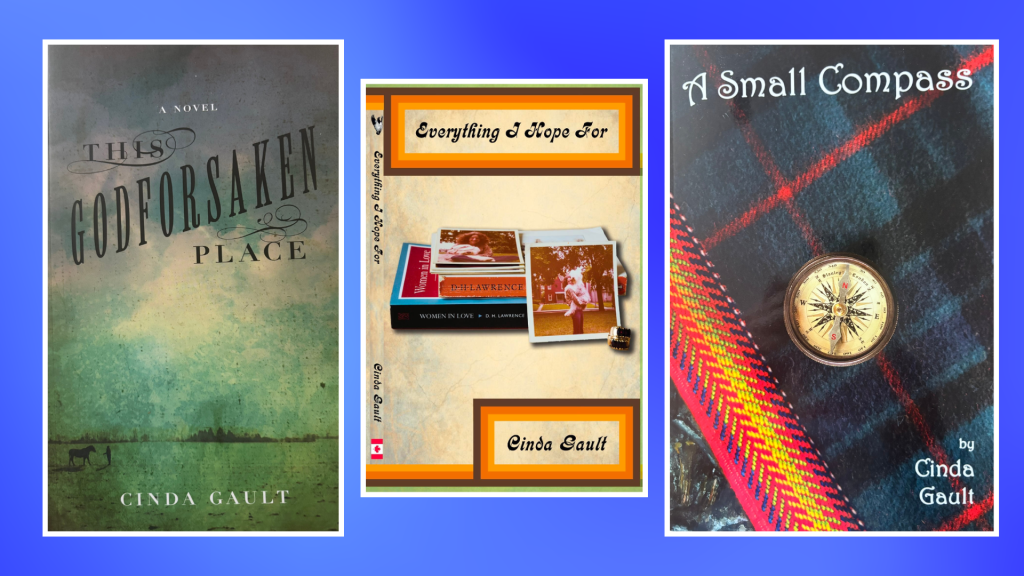
Cinda Gault, author of This Godforsaken Place, A Small Compass, and Everything I Hope For, brings a rare combination of lived experience, academic rigor, and storytelling instinct to the microphone. The result is a dialogue that feels both deeply personal and intellectually expansive.
From Feminist Activism to Fiction
Cinda Gault’s journey to fiction didn’t begin with dreams of literary fame—it began with activism.
As a young woman in 1970s Canada, she was immersed in second-wave feminism, helping establish rape crisis centers and shelters for victims of domestic violence. Armed with an undergraduate degree in psychology from the University of Guelph and later an MA in criminology from the University of Toronto, she worked in social services—including a stint as a prison guard in a men’s prison.
Eventually, she discovered something important about herself: she didn’t want to manage people—she wanted to tell stories.
Her first published novel, a Harlequin Super Romance released in 1988, emerged from that realization. Writing romance, she notes, is far trickier than people assume. Getting two characters to fall in love is easy. Keeping them in meaningful conflict for 350 pages—without making either look foolish—is the real craft.
Years later, revisiting that manuscript (originally typed on a manual typewriter) became a meditation on how technology changes—but human emotion doesn’t. The landlines, phone booths, and tape recorders had to be updated. The romance itself held steady.
“People fall in love now the way they always have.”
The 1970s: A Divided Memory
One of the episode’s most compelling segments centers on the 1970s.
Billy recalls childhood freedom in the United States—bikes, Evel Knievel ramps, and a life lived outdoors without screens. Cinda Gault, by contrast, remembers a “heady” period of political awakening as a university student in Canada.
Under Prime Minister Pierre Trudeau, Canada experienced a surge of nationalism alongside second-wave feminism. For women, the era meant access—to education, to careers, to autonomy. The birth control pill became widely available. Women entered professions previously closed to them. University enrollment patterns would eventually flip from male-dominated to female-majority.
Yet the conversation avoids nostalgia traps. Both host and guest reflect on how movements evolve—and sometimes overcorrect.
Cinda Gault observes that the feminism of her generation was rooted in a simple demand: “Get out of my way.” It was about autonomy and responsibility. Today, she suggests, identity politics has sometimes shifted from equality to equity in ways that complicate that earlier clarity.
It’s not a condemnation—but a generational reflection.
Canada, Autonomy, and the Abortion Question
One of the most illuminating moments in the episode comes when Billy raises a surprising fact: Canada is the only Western nation without a federal abortion law.
Cinda Gault explains the history, referencing the legal battles of Dr. Henry Morgentaler and the 1988 Supreme Court decision that struck down Canada’s abortion law. Unlike the United States—where abortion remains a central, polarizing issue—Canada’s legislative structure and constitutional culture have produced a different outcome.
She ties this to Canada’s unique national formation: a country born from compromise between French and British identities. Without a singular cultural narrative like America’s “melting pot,” Canada evolved with an instinct toward pluralism—“leave people room.”
The discussion is nuanced and civil. Rather than turning partisan, it becomes a reflection on how national identity shapes law, and how literature reflects cultural undercurrents long before legal systems codify them.
Music, Community, and Cultural Shifts
From politics, the conversation pivots to music—another defining force of the 1960s and 70s.
Billy recalls the communal experience of gathering around a hi-fi system to listen to new albums—music as event, as conversation, as cultural glue. Cinda Gault agrees, recounting how even her children were stunned by the originality of albums like Abbey Road.
Both acknowledge that while good music still exists, the shared cultural moment has fractured in the age of earbuds and streaming algorithms.
It’s a subtle but powerful theme of the episode: technology advances, but something communal may be lost.
History, Myth, and What Survives
Cinda Gault’s historical fiction is rooted in a central question: What survives history—and what doesn’t?
She shares the story of discovering an obscure footnote about Isobel Gunn, a woman who disguised herself as a man to work for the Hudson’s Bay Company in the early 1800s and was only discovered when she gave birth in a remote trading post.
The archival records detail weather, cargo, employee duties. What they don’t record are hopes, fears, motivations—the interior life.
That’s where fiction steps in.
Her comparison of Annie Oakley to Wayne Gretzky becomes emblematic of her approach: recognizing excellence and complexity beyond political alignment. Oakley, she notes, embodied strength and independence—yet wasn’t aligned with feminist movements. History doesn’t always fit ideological boxes.
The conversation even touches on figures like Jesse James, exploring how cultural memory can romanticize criminals depending on who tells the story. It’s a reminder that mythmaking is as much about identity as it is about fact.
Identity, Progress, and Personal Responsibility
Perhaps the most resonant theme of the episode is balance.
Cinda Gault acknowledges that major gains were made in women’s rights during her lifetime. She also questions whether modern discourse sometimes forgets that progress has occurred. Billy echoes this, suggesting that refusing to acknowledge improvement can make meaningful reform harder.
They agree on one key principle: equality ultimately means seeing one another as individuals.
It’s a rare moment in modern media—an honest, respectful exchange across national and generational lines without shouting, slogans, or caricature.
Final Thoughts
This episode stands out not just for its literary insights, but for its tone. It’s curious. It’s measured. It’s exploratory.
Cinda Gault brings academic depth, activist history, and storytelling passion to the discussion. Billy Dees brings cultural reflection and a willingness to ask hard questions without hostility.
Together, they create something increasingly uncommon in today’s media landscape: a long-form conversation that trusts the audience to think.
For readers interested in historical fiction, Canadian identity, feminism, or simply how stories shape nations, this is an episode worth hearing—and Cinda Gault’s books are worth reading.
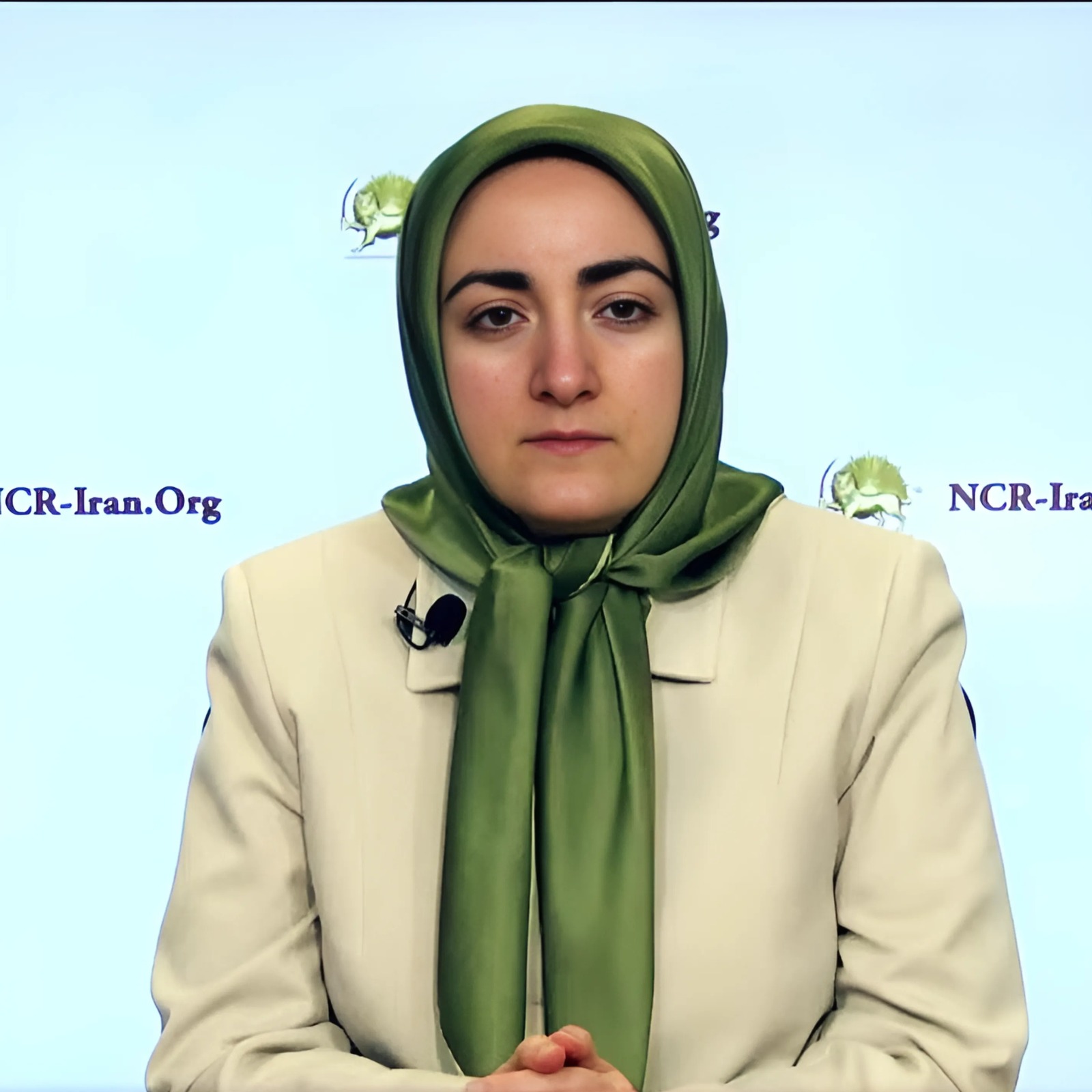
In this powerful episode of The Billy Dees Podcast, Billy sits down with Iranian human rights activist Zolal Habibi for an in-depth and deeply personal conversation about Iran’s past, present, and possible future. Zolal shares her extraordinary journey into activism, shaped by the loss of her father during the 1988 massacre of political prisoners, and explains her work with the National Council of Resistance of Iran (NCRI). The discussion provides crucial context many Americans may not be familiar with, challenging oversimplified narratives about Iran before and after the 1979 revolution and explaining how a popular uprising for freedom was ultimately hijacked by a far more brutal theocratic dictatorship.
The conversation explores the realities of life under authoritarian rule, the failures of both monarchy and the current regime, and why Iranians remain deeply skeptical of foreign intervention while still seeking international solidarity. Zolal outlines the NCRI’s vision for a secular, democratic republic rooted in human rights, gender equality, and the separation of religion and state. She also discusses the Ten-Point Plan championed by Maryam Rajavi, highlighting why women have emerged as a leading force in Iran’s resistance movement and how decades of organized opposition have laid the groundwork for meaningful change from within.
Billy and Zolal also address the urgency of the current moment: widespread protests, brutal crackdowns, internet shutdowns, mass arrests, and executions. They examine what meaningful international support could look like without repeating past mistakes, emphasizing accountability, recognition of the Iranian people’s right to resist tyranny, and an end to policies that embolden the regime. This episode is a sobering yet hopeful look at a generational struggle for freedom, offering listeners rare insight into the resilience of the Iranian people and the real possibilities for a democratic future if the world chooses to stand with them.
In this episode of The Billy Dees Podcast, Billy sits down with Italian filmmaker and social commentator Sara Alessandrini for a wide-ranging, thoughtful discussion that cuts to the heart of today’s political and cultural tensions. Sara is the creator of the docu-series This Is What New Yorkers Say, a multi-episode project examining the rise and fall of former New York Governor Andrew Cuomo, the role of legacy media, and the broader consequences of a culture increasingly driven by outrage rather than evidence. What begins as a discussion about one political figure quickly evolves into a much deeper examination of media narratives, public opinion, and the erosion of nuanced discourse.
Sara shares her journey from Italy to the United States, explaining why America’s openness to reinvention, entrepreneurship, and reinvention drew her in. From that international vantage point, she offers a perspective that many Americans rarely hear—one shaped by lived experience in Europe, where government systems, labor protections, immigration policies, and social safety nets often function very differently than how they are idealized in U.S. political debates. Throughout the conversation, she challenges both left- and right-wing orthodoxies, arguing that good intentions do not always lead to good outcomes, especially when long-term consequences are ignored.
At the center of the discussion is Sara’s documentary work on Cuomo and the broader implications of how accusations are handled in the court of public opinion. She raises difficult but necessary questions about due process, the limits of movements like #MeToo, and what happens when standards are lowered to the point where perception outweighs evidence. Billy and Sara explore how media amplification can rapidly transform public figures from heroes to villains, often without space for facts, context, or proportionality. The conversation also expands into topics like political polarization, the breakdown of shared reality, immigration, socialism versus capitalism, and the growing sense that society has lost the ability to have honest, good-faith disagreements.
This episode is not about defending any one politician or ideology—it’s about encouraging critical thinking, resisting manipulation, and reclaiming the ability to ask uncomfortable questions without fear of social exile. Thought-provoking, candid, and at times challenging, this conversation is a must-listen for anyone concerned about the future of media, democracy, and civil discourse. Sara Alessandrini brings a rare blend of intellectual honesty and international perspective, making this a substantive and reflective episode.
In this episode of The Billy Dees Podcast, Billy welcomes author and poet Andrea LeDew, whose new book Polemics: Political Poems & Prose spans nearly a decade of American political history—from 2016 through early 2025. The conversation explores her creative process, her background in law and literature, and the personal experiences that shape her work.
Andrea explains that Polemics began as a way to process political events that felt unsettling or out of step with the American ideals she grew up with. Each poem in the collection is paired with a short explanation of the real-world event that inspired it, turning the book into both a creative and historical meditation. Her work ranges from sharp satire to somber reflection, and she discusses how humor sometimes helps her strip powerful figures of their mystique, while other moments call for a more serious, even foreboding tone.
Billy and Andrea dive into the long tradition of poets responding to political and historical moments, and Andrea shares examples—such as the James Comey “loyalty” episode and Trump’s “lunatic” tweet—that sparked specific poems. They also explore how her opinions on issues like Confederate statues have changed over time, influenced in part by her travels in Europe and a deeper understanding of how symbols are interpreted by different communities.
Beyond politics, the conversation takes a personal turn as Andrea describes raising a son with autism, navigating special education, homeschooling, and the social challenges families often face. She pushes back against misconceptions—especially the false link between vaccines and autism—and emphasizes how little support exists once children age out of school. Her legal background, she says, has played a role in advocating for her son and understanding the broader structural obstacles families encounter.
Andrea also talks about her lifelong love of rhyme and traditional poetic structure, describing it as both a creative discipline and a way to preserve the musicality of language in an age when memorization is rare. She recently completed the painstaking work of recording her audiobook, an experience Billy relates to from his own broadcasting career.
Throughout the episode, listeners are treated to an insightful, thoughtful exchange about writing, politics, history, disability, and the evolving story of America itself. Andrea’s reflections offer not only context for her book but a reminder of how personal and political narratives intertwine.





 Perfect Media Productions, LLC