Perfect Media Productions, LLC is a media production and digital marketing service. We produce audio for radio, podcasts, and voice-overs. We also record and/or edit video for websites and social media.
This is the production home of the Billy Dees Podcast and other great podcasts.
Our blog section features a variety of topics including media, business, and pop culture.
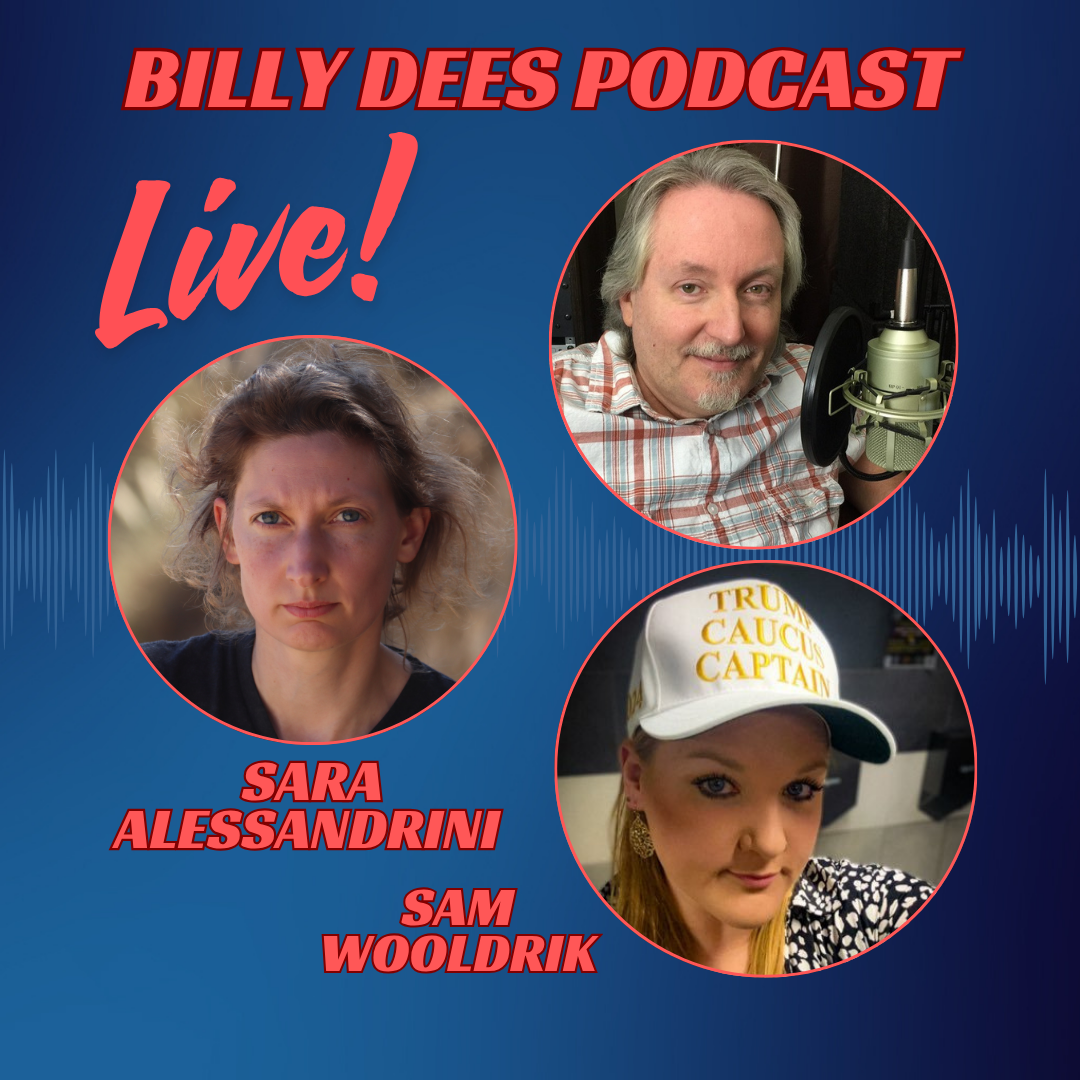
This live episode (Mar 19, 2026, 8:00pm EST) of The Billy Dees Podcast brings together host Billy Dees, filmmaker and commentator Sara Alessandrini, and podcaster Sam Wooldrik for a wide-ranging, unscripted discussion that reflects the fast-moving and often chaotic nature of today’s media and political landscape.
The conversation moves fluidly across major global and domestic issues—including tensions with Iran, immigration policy, and the ongoing intrigue surrounding the Epstein case—while also examining how these topics are shaped, distorted, and amplified by modern media and the podcasting space itself. At its core, the episode explores how public discourse has become increasingly polarized, emotional, and, at times, disconnected from nuance or reality.
Clip from the Episode
Throughout the discussion, each guest brings a distinct perspective shaped by their background and experience. Alessandrini offers an international lens, emphasizing the complexity of global events and the importance of understanding cultural context, while Wooldrik provides insight into the evolving podcast ecosystem and the challenges of navigating misinformation, sensationalism, and audience expectations.
Billy Dees anchors the conversation with a focus on media responsibility and the need for balanced, thoughtful dialogue. Together, they highlight a central tension of the modern era: the struggle to maintain credibility, reason, and meaningful conversation in an environment increasingly driven by outrage, virality, and competing narratives.
On this episode of The Billy Dees Podcast, Billy Dees sits down with Jeff Kruszyna, founder and CEO of JMK Victory, a direct response marketing agency that has helped raise more than $100 million for political campaigns, PACs, veterans’ organizations, and advocacy groups.
The conversation explores the intersection of politics, marketing, and cultural identity in modern America. From the long-term impact of September 11th to the rise of what Kruszyna calls the “patriot economy,” the discussion examines how values-driven consumerism is reshaping business, fundraising, and political campaigns
From 9/11 to a Career in Political Marketing
Jeff Kruszyna’s path into political marketing began with a defining moment in American history.
As an 18-year-old freshman studying computer science at Stony Brook University, Kruszyna was walking across campus when he first heard reports that a plane had struck the World Trade Center. Like many Americans, he rushed to a television and watched events unfold in real time.
That moment changed the trajectory of his life.
Feeling a renewed sense of purpose and patriotism, Kruszyna switched his major from computer science to political science, graduating summa cum laude and Phi Beta Kappa. He soon became involved in the conservative movement and direct response fundraising, eventually building a career helping organizations connect with supporters and donors.
More than two decades later, he has worked extensively with political campaigns and nonprofits focused on issues ranging from veterans’ advocacy to constitutional liberties.
The Emergence of the “Patriot Economy”
One of the central themes of the discussion is Kruszyna’s concept of the “patriot economy.”
According to him, a growing number of Americans are making purchasing decisions based not only on price or convenience—but on shared values and ideological alignment.
Consumers increasingly want to know:
What a company stands for
Whether its leadership reflects their beliefs
Where their money ultimately goes
In recent years, major brands have taken public stances on social and political issues, particularly during the COVID-19 era. In response, many entrepreneurs have launched alternative businesses aimed specifically at consumers who want to support pro-America, pro-freedom, or constitutional values.
The result is a parallel marketplace where products—from coffee to cell phone services—are marketed directly to consumers who want their spending to reflect their political or cultural identity.
A Changing Political Landscape
Billy Dees also raises a broader concern about the current political climate.
In decades past, he notes, political rivals such as Ronald Reagan and Tip O’Neill or Bill Clinton and Newt Gingrich could fiercely disagree while still operating within a shared political framework.
Today, the landscape feels different.
Many Americans now identify strongly with political or cultural “teams,” often consuming information primarily through algorithms that reinforce their existing beliefs. According to Kruszyna, this is both a benefit and a challenge of the digital age.
Social media has made communication easier than ever—but it has also intensified ideological echo chambers.
Despite this polarization, Kruszyna argues that most Americans still share a core sense of national pride and common ground. The challenge for campaigns and organizations is communicating messages that resonate beyond partisan noise.
The Psychology Behind Fundraising
Another major focus of the episode is the psychology of giving.
Kruszyna explains that successful fundraising—whether for political campaigns or nonprofits—comes down to three core elements:
Emotion – People respond to stories that move them.
Identity – Donors want to support causes that align with who they are.
Direct response marketing, particularly direct mail fundraising, relies heavily on storytelling. A well-crafted fundraising letter often highlights a real person or situation to illustrate the organization’s mission.
The goal is to create a personal connection that encourages the reader to act—whether by signing a petition, joining a campaign, or making a donation.
Why Direct Mail Still Works in the Digital Age
One of the more surprising insights from the conversation is that direct mail remains a powerful fundraising tool, even in the age of social media and digital marketing.
While email and text messaging are inexpensive and immediate, physical mail offers something digital channels often cannot: attention and memorability.
Kruszyna points out that:
Email inboxes are crowded and easy to scroll past.
A physical letter often stays visible in a home for days.
The mailbox today is less competitive than it once was.
Direct mail also blends art and science. Every detail—from envelope color to font choice to postage style—is carefully designed to capture attention within the few seconds someone spends sorting their mail.
The ultimate objective is simple: persuade the recipient to open the letter and engage with the message.
Lessons for Modern Political Campaigns
As the conversation turns toward upcoming election cycles, Kruszyna emphasizes one critical lesson for campaigns:
Start early.
Building a donor base and grassroots support network takes time. Campaigns that delay fundraising efforts often struggle to build the momentum needed for long-term success.
He recommends an omni-channel strategy that includes:
Direct mail
Email marketing
Digital advertising
Text messaging
Grassroots outreach
Each channel reinforces the others, helping campaigns maintain consistent engagement with supporters.
A Conversation About Politics, Media, and Identity
The interview ultimately becomes more than a discussion about fundraising or marketing tactics.
It is a broader conversation about how identity, politics, and consumer behavior intersect in modern America. As cultural divisions deepen and technology continues to reshape communication, organizations and campaigns must find new ways to connect with audiences who increasingly view the world through ideological lenses.
For Billy Dees, the discussion highlights both the challenges and the opportunities of the current era.
Whether through politics, nonprofit work, or entrepreneurship, the growing emphasis on values-driven engagement is transforming how Americans vote, donate, and spend their money.
Listen to the full episode of The Billy Dees Podcast to hear the complete conversation with Jeff Kruszyna and explore how marketing strategy, political identity, and storytelling are shaping today’s fundraising landscape.
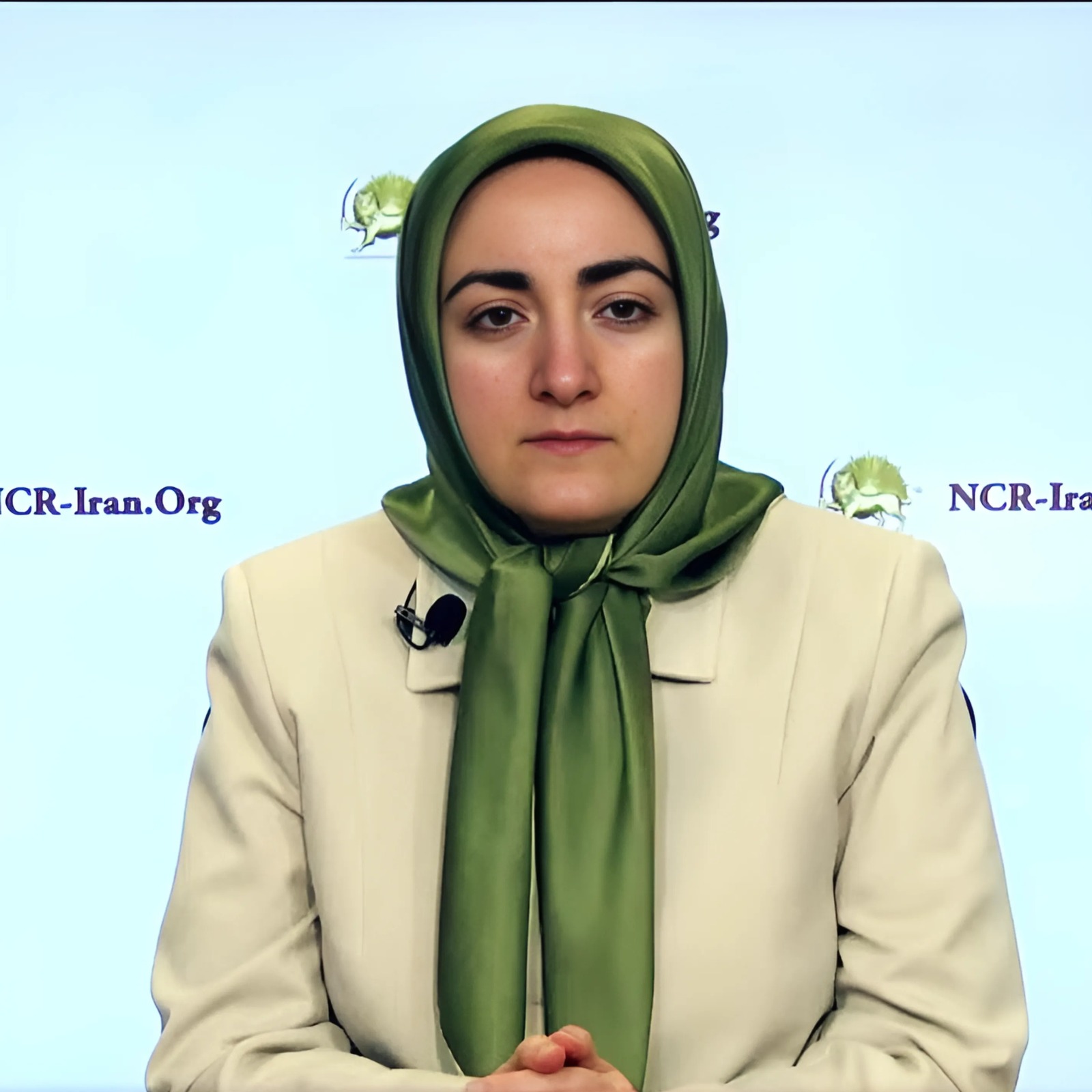
In this powerful episode of The Billy Dees Podcast, Billy sits down with Iranian human rights activist Zolal Habibi for an in-depth and deeply personal conversation about Iran’s past, present, and possible future. Zolal shares her extraordinary journey into activism, shaped by the loss of her father during the 1988 massacre of political prisoners, and explains her work with the National Council of Resistance of Iran (NCRI). The discussion provides crucial context many Americans may not be familiar with, challenging oversimplified narratives about Iran before and after the 1979 revolution and explaining how a popular uprising for freedom was ultimately hijacked by a far more brutal theocratic dictatorship.
The conversation explores the realities of life under authoritarian rule, the failures of both monarchy and the current regime, and why Iranians remain deeply skeptical of foreign intervention while still seeking international solidarity. Zolal outlines the NCRI’s vision for a secular, democratic republic rooted in human rights, gender equality, and the separation of religion and state. She also discusses the Ten-Point Plan championed by Maryam Rajavi, highlighting why women have emerged as a leading force in Iran’s resistance movement and how decades of organized opposition have laid the groundwork for meaningful change from within.
Billy and Zolal also address the urgency of the current moment: widespread protests, brutal crackdowns, internet shutdowns, mass arrests, and executions. They examine what meaningful international support could look like without repeating past mistakes, emphasizing accountability, recognition of the Iranian people’s right to resist tyranny, and an end to policies that embolden the regime. This episode is a sobering yet hopeful look at a generational struggle for freedom, offering listeners rare insight into the resilience of the Iranian people and the real possibilities for a democratic future if the world chooses to stand with them.
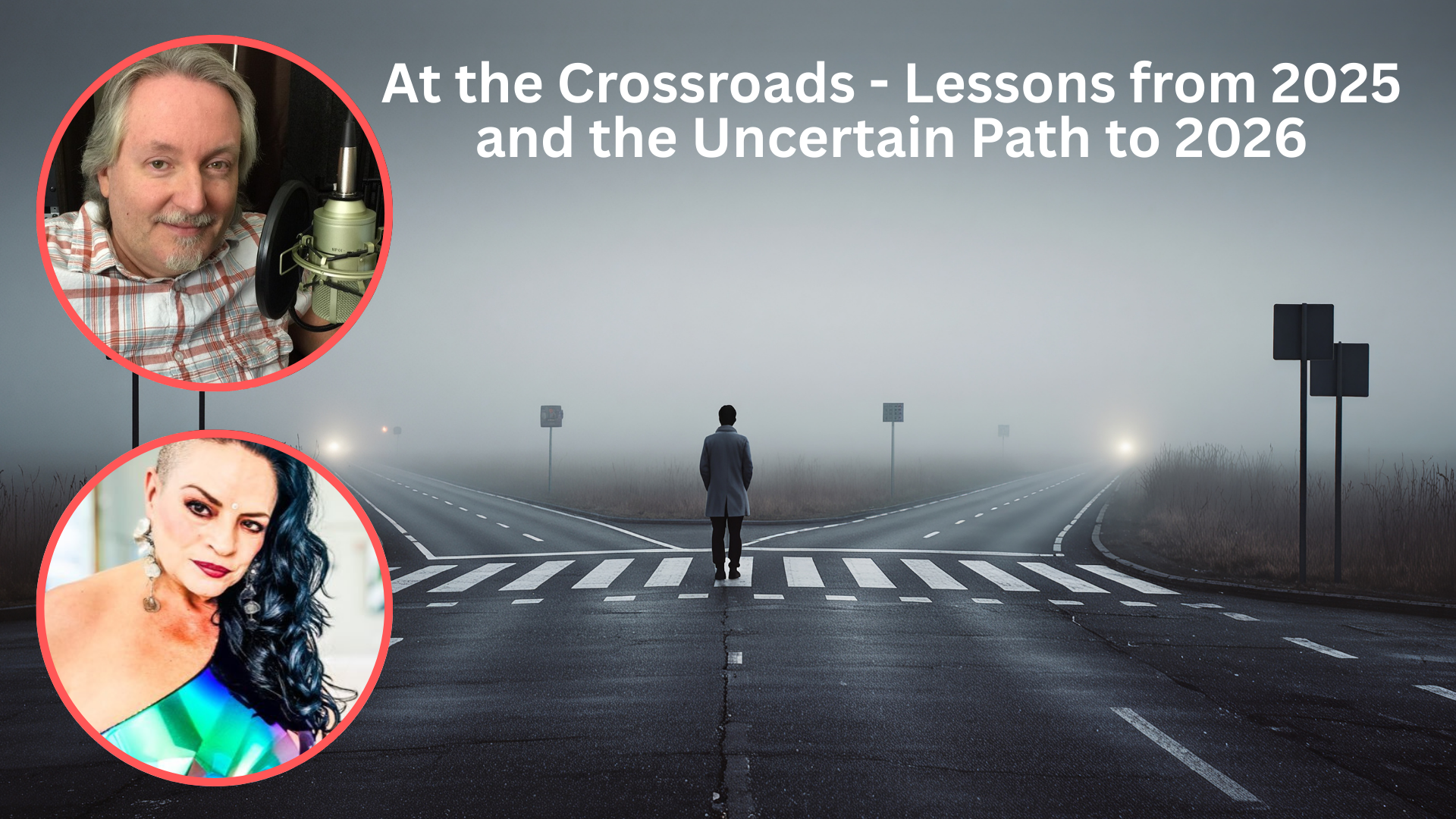
This episode of The Billy D’s Podcast brings back fan-favorite co-host Cynthia Elliott for a wide-ranging, thought-provoking conversation about where we’ve been—and where we’re headed.
Recorded at the end of a turbulent year, Billy and Cynthia reflect on the unpredictability of 2025 and look ahead to what 2026 may hold. With a mix of realism and cautious optimism, they explore the growing sense of unease many people feel, shaped by nonstop news cycles, cultural shifts, and rapid technological change.
At the heart of the discussion is artificial intelligence—its promise, its risks, and its unavoidable impact on jobs, mental health, and society at large. Cynthia draws on her work as an intuitive and founder of the SoulTech Foundation to unpack how AI could drive medical breakthroughs, reshape the workforce, and accelerate the Fourth Industrial Revolution, while also raising serious concerns about unemployment, regulation, and human purpose. The conversation goes beyond technology, touching on universal income, the mental health crisis, and why emotional intelligence and consciousness must evolve alongside machines if society is going to remain stable.
The episode also dives into broader cultural and geopolitical themes, including energy breakthroughs, the new space race, social media burnout, Hollywood’s declining influence, and the growing divide between toxic online narratives and real-world human connection.
Billy and Cynthia don’t shy away from uncomfortable topics—whether it’s political polarization, gender dynamics, or the erosion of community—but they approach them with candor and depth.
The result is a compelling end-of-year conversation that challenges listeners to think critically about the future, their own awareness, and what it will take to navigate the years ahead.
In this episode of The Billy D’s Podcast, Billy welcomes frequent co-host Cynthia Elliott—author, intuitive, nonprofit founder, and all-around multi-disciplinary creator—for a wide-ranging conversation that mixes commentary, personal experience, and cultural insight.
Cynthia Elliott
The discussion begins with Cynthia’s recent success as an author, as her books Memory Mansion and Unleashed Stompers climb the charts once again. But the episode quickly moves far beyond book promotion. Cynthia shares the mission behind her nonprofit, The SoulTech Foundation, which focuses on education, empowerment, and community building—particularly in underserved areas. One of its cornerstone initiatives is an AI Literacy Training Program designed to teach and certify 10,000 Americans with skills that will help them navigate an AI-driven future. The foundation also supports wellness programs, including meditation and yoga, to help people develop emotional and mental resilience.
Billy and Cynthia dive into deeper territory too—especially the growing dependence on AI, the importance of human self-awareness, and the mental health challenges emerging in the digital age. Cynthia discusses why she believes strengthening our inner life and presence is crucial as society becomes increasingly intertwined with technology.
The episode also explores Cynthia’s perspective on intuitive abilities, what people commonly misunderstand about the word “psychic,” and why she believes pattern recognition, energy awareness, and intuition are natural human capacities. Billy brings a scientific angle to the conversation, referencing studies on consciousness, the observer effect, and cutting-edge neural interface technologies like Neuralink.
Cynthia’s upcoming documentary, “Nirvana: A Psychic’s Journey to the Final Rebirth,” becomes another focal point. She explains how the project serves both as personal storytelling and as a resource for others navigating trauma, identity, and self-expression. The film also functions as a legacy for her son, offering him an honest narrative of her life and experiences.
Looking ahead, Cynthia shares several major events she’s leading or hosting:
TEDxMizner (February 4th): Featuring speakers discussing disruption in the age of AI.
Her Health Summit (October): A major event highlighting women’s health, especially for women over 40—an age group dramatically underrepresented in medical research.
SoulTech Magazine: A bi-monthly publication covering wellness, culture, spirituality, and updates from the foundation.
The conversation wraps with a discussion about the collective sense of global anxiety many people feel today—touching on social media’s influence, the “attention economy,” and why doom-scrolling contributes to emotional exhaustion.
This episode blends tech, spirituality, psychology, storytelling, and cultural commentary—capturing exactly what Billy D’s listeners expect: honest, curious conversation across a wide spectrum of ideas.
You can find Cynthia Elliott on X (Twitter) @Shamanisis
This episode was recorded live Friday November 14, 2025, at 8:00pm EST.
As we reflect on Memorial Day Weekend, join me for a deeply personal episode of the Billy Dees Podcast titled “C’mon Jake, Give Me a Break – Also My Personal Connection to Memorial Day.” This episode goes beyond the holiday; it delves into the heart of media accountability and the poignant memories of my father, a proud veteran.
In this episode, I’ll unpack Jake Tapper’s new book, “Original Sin,” and expose the troubling truths behind President Biden’s declining public perception. It’s not just a commentary on politics; it’s about the media’s complicity in shaping narratives that affect real lives. Why did it take so long for many to recognize those warning signs about Biden’s capabilities? Spoiler alert: curiosity and in-depth understanding come from more than just headlines.
You’ll also hear compelling personal stories that bring Memorial Day to life, especially my father’s lasting message about honor and remembrance. His life, marked by sacrifice and strength, has shaped my views on the importance of our military and the everyday heroes among us.
What’s in it for you? Expect thoughts that challenge the status quo, emotional reflections on personal loss, and insights that remind us of the values that Memorial Day embodies. This episode is perfect for anyone looking to engage critically with current events while honoring the spirit of those who served.
Listen to the episode and don’t forget to share your thoughts! Comment below or follow us on social media. Links Here
00:02 – Kickoff to summer reflections 08:04 – Media’s role in Biden’s decline 15:56 – Accountability and medical privacy 23:21 – Personal memories of Memorial Day 36:44 – Honoring my father’s legacy
Times reflect the final podcast version. The live version below on YouTube may be slightly different.
In a world where artificial intelligence is rapidly transforming our lives, have you ever paused to consider how it’s shaping our perceptions of femininity and sexual identity?
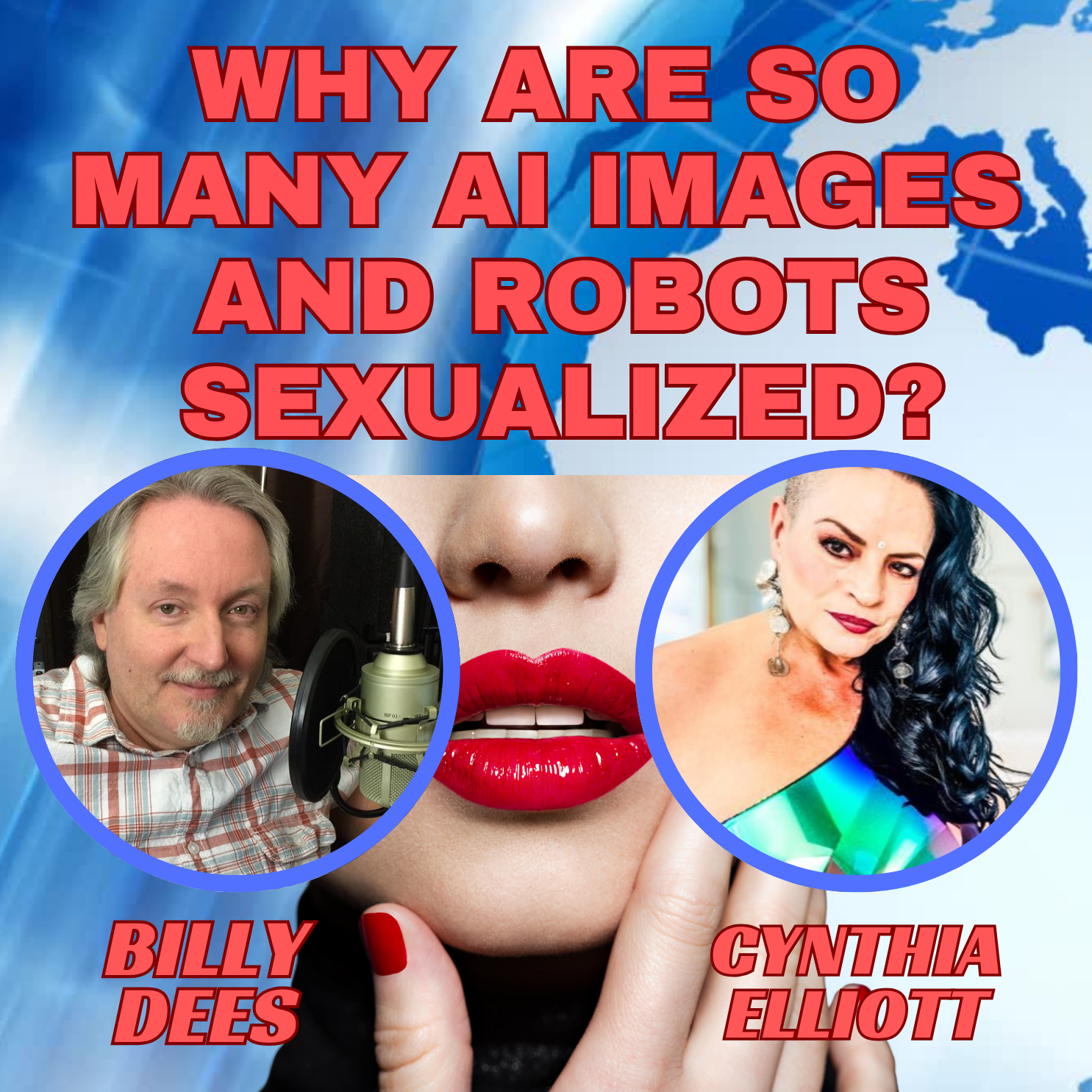
On the latest episode of the Billy Dees Podcast, titled “Why Are So Many AI Images and Robots Sexualized?” we delve deep into the provocative topic raised by our guest, Cynthia Elliott. Together, we explore the ramifications of how female robotics and AI innovations tend to present hyper-sexualized images of women, often resembling unrealistic standards.
Cynthia passionately asks, “Why must female robots look like porn stars?” This is more than just a marketing issue; it’s a conversation we need to have, especially as society progresses further into the age of technology.
We promise this episode will not only spark your curiosity but will also encourage you to reflect on the implications of AI in shaping our understanding of identity and sexuality.
By tuning in, you will gain insights into how these technologies affect both men and women, spark thoughtful discussions around social norms, and understand the importance of having these conversations now to shape a more conscientious future.
Don’t miss your chance to be part of this essential dialogue. Your engagement and interest mean the world to us, thank you for listening.
P.S. We’d love to hear your thoughts on the episode! Feel free to connect with us on social media. Podcast and Social Links




 Perfect Media Productions, LLC