Why Every Entrepreneur Needs an Exit Plan Before They Need One

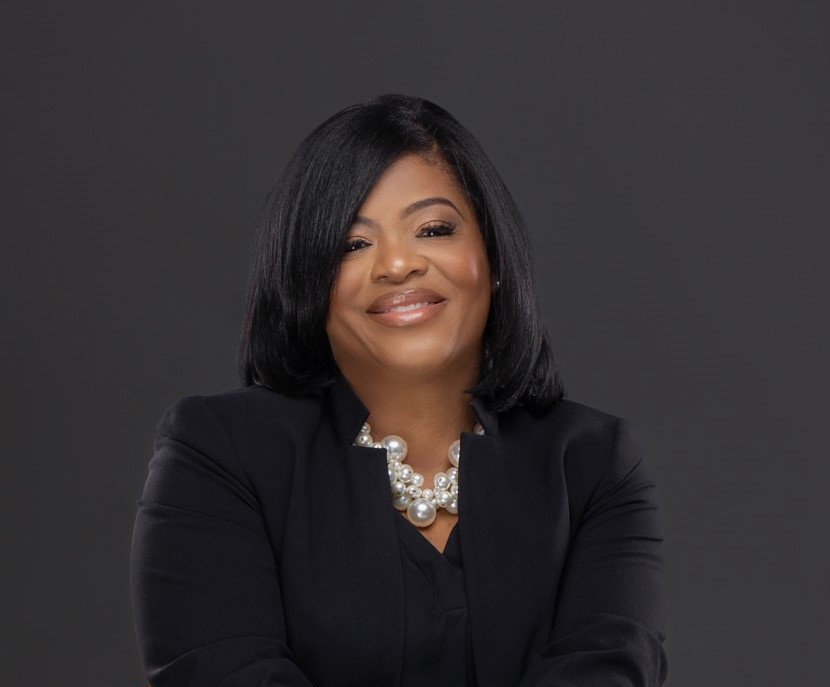
Starting a business is often celebrated as the ultimate expression of independence, ambition, and creativity. But what happens when it’s time to step away—or when life unexpectedly forces that decision? That’s the central question explored in Billy Dees’ engaging conversation with entrepreneur attorney and business strategist Scherrie L. Prince, who helps founders build businesses that are designed not only to grow, but to last.
Scherrie L. Prince

Throughout the discussion, Prince emphasizes a concept that many entrepreneurs overlook: every business should begin with the end in mind. Too many owners focus exclusively on launching and growing their companies without considering succession, disability, partnership disputes, retirement, or even death. Her philosophy is simple—if you don’t create a plan for your business and your estate, the state already has one waiting for you, and chances are you won’t like it. She encourages entrepreneurs to think about exit strategies from “day zero,” long before they believe they’ll ever need one.

The conversation also dives into the importance of building a solid legal and operational foundation. Prince explains that every business owner should have essential documents in place, including updated beneficiary designations, wills or trusts when appropriate, and clear partnership or operating agreements. These aren’t just legal formalities—they’re safeguards that protect families, business partners, employees, and the future of the company itself. As businesses become more visible, they also become more vulnerable to lawsuits, financial problems, employee disputes, and internal conflicts, making preparation even more critical.

Billy and Scherrie also challenge one of today’s most common business myths: that every company must constantly chase explosive growth. Prince argues that success isn’t measured by becoming the next Amazon or Walmart. For many entrepreneurs, building a stable, profitable business that supports their desired lifestyle is a far greater achievement than endless expansion. Growth should always align with the owner’s personal goals—not someone else’s definition of success. This refreshing perspective reminds listeners that sustainable businesses often outperform businesses that grow too quickly and become overextended.

Another fascinating segment explores why partnerships often begin with excitement but later become strained. Prince compares business partnerships to marriages, noting that people change over time and unforeseen challenges inevitably arise. Without clear agreements that outline responsibilities, conflict resolution, ownership rights, and exit procedures, even the strongest partnerships can deteriorate into expensive legal disputes. The lesson is clear: difficult conversations at the beginning of a business relationship are far easier than difficult lawsuits later.

Artificial intelligence also enters the conversation, not as an apocalyptic threat, but as a practical business tool that must be managed responsibly. Billy raises concerns about AI’s growing role in both business and personal decision-making, especially among younger generations. Prince agrees that AI can significantly improve efficiency, but cautions that companies must establish policies governing its use. Mishandling confidential information through AI platforms could expose businesses to data breaches, legal liability, and the loss of valuable intellectual property. Like any tool, AI provides tremendous benefits only when used thoughtfully.

One of the most inspiring parts of the interview centers on the entrepreneurial mindset itself. Billy points out that small business owners are often unfairly portrayed as greedy or uncaring, when in reality many sacrifice personal comfort simply to make payroll and support their employees. Prince echoes that sentiment, explaining that entrepreneurship requires resilience, courage, and long-term thinking. She distinguishes between founders who become trapped working in their businesses and those who eventually learn to work on them by building systems, delegating responsibility, and developing leadership rather than trying to do everything themselves.

For aspiring entrepreneurs, Prince offers one of the episode’s most memorable ideas: consider the cost of inaction. Many people hesitate to start businesses because they’re afraid of failure, yet they rarely calculate the opportunities they’re losing by doing nothing. Time will pass regardless. The question becomes whether you’ll spend those years building something of your own or wondering what might have happened if you’d taken the leap. Success doesn’t require knowing everything on day one—it requires surrounding yourself with trusted advisors and remaining willing to learn along the way.

Billy Dees closes the conversation by highlighting Prince’s own mission through her Play Big Faster Podcast, where she shares practical advice with founders and business leaders. Just like this interview, her work focuses on actionable strategies rather than empty motivation. Listeners walk away with valuable insights on legal planning, business growth, leadership, succession, and the importance of building companies that are prepared for both opportunity and uncertainty.

This episode serves as an excellent reminder that entrepreneurship isn’t simply about starting a business—it’s about building something resilient enough to survive life’s inevitable changes. Whether you’re launching your first venture, growing an established company, or simply dreaming about becoming your own boss someday, Billy Dees and Scherrie L. Prince deliver practical wisdom that can help entrepreneurs make smarter decisions today while preparing for tomorrow.

Overcoming Trauma and Rebuilding Your Life – Antoinette Berrafato on Resilience, PTSD Recovery & Functional Health

What does it take to rebuild your life after everything you once knew has been taken away? That question sits at the heart of Billy Dees’ compelling conversation with Army veteran, health advocate, and podcast host Antoinette Berrafato.

Antoinette Berrafato

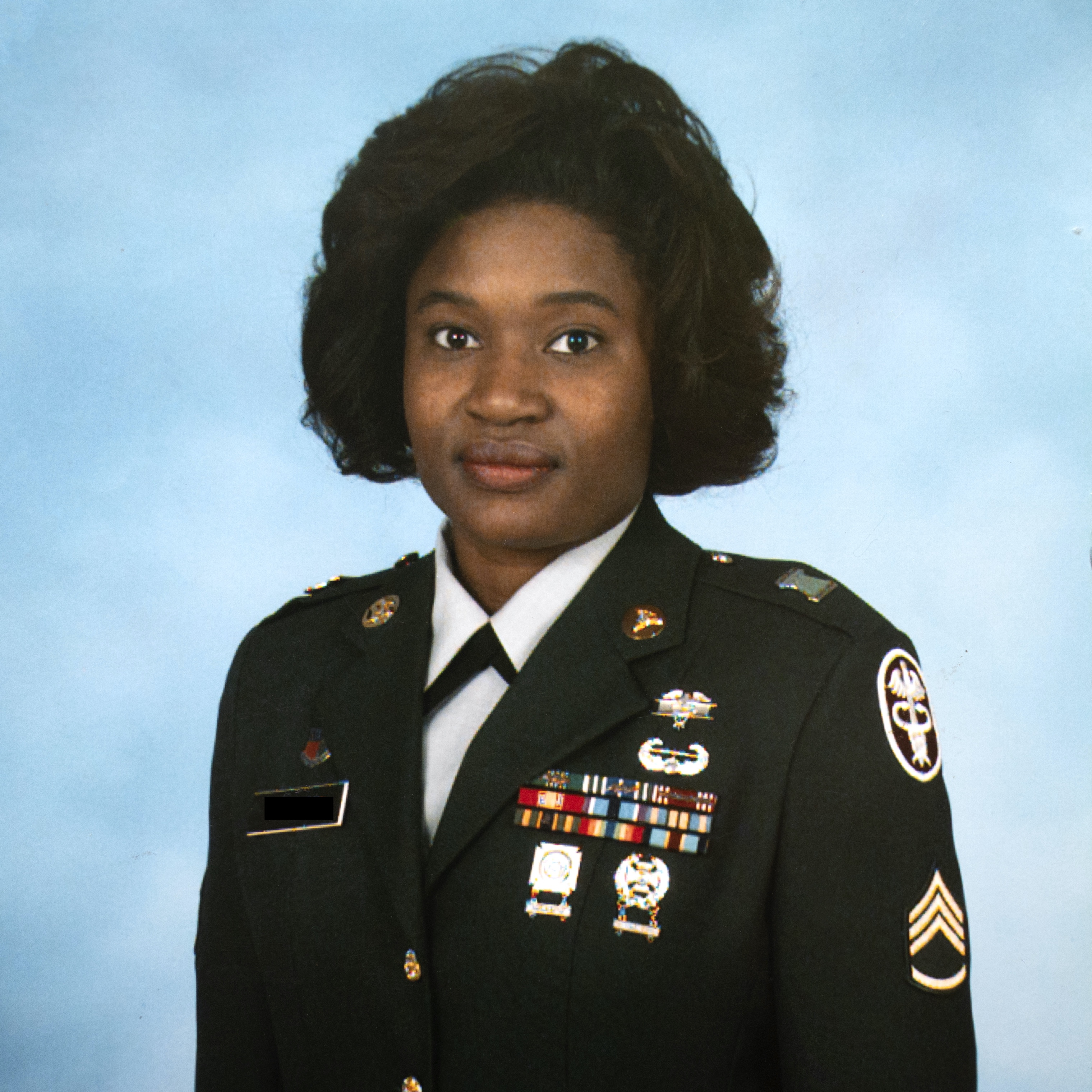
Berrafato’s story is one of extraordinary resilience. After serving 11 years in the U.S. Army as an Air Assault-qualified combat medic, she suffered a traumatic brain injury, spinal damage, and severe PTSD that dramatically altered the course of her life. Once dependent on a walker, a service dog, and a full-time caregiver, she refused to accept that her future had already been written. Instead, she embarked on a journey of recovery that eventually transformed her into an adventure athlete, wellness educator, and motivational speaker helping others reclaim their health and purpose.

A Life Changed by Trauma

The conversation begins with Berrafato reflecting on her family’s long tradition of military service and the sense of duty that inspired her own career in the Army. She explains that many veterans don’t join because they seek conflict, but because they possess a desire to protect others, even at great personal risk.

That willingness to serve came at a tremendous cost.

Following a traumatic brain injury and serious physical injuries, Berrafato faced years of chronic pain, cognitive decline, and debilitating PTSD. She describes a period when simple everyday tasks—starting a car or remembering how to use a can opener—became impossible. Her career disappeared, her independence vanished, and conventional treatments left her feeling progressively worse.

Rather than simply discussing the clinical aspects of trauma, Berrafato offers a thoughtful perspective on how people process difficult experiences. She explains that while everyone experiences trauma in life, the ability to recover often depends on having adequate time, emotional support, and a sense of safety after the event. Without those elements, the body’s fight-or-flight response can become chronic, making healing far more difficult.

The Moment Everything Changed

One of the interview’s most powerful moments comes as Berrafato recalls believing she was living her final hours. (Previewed below.)

After nearly dying from complications related to her declining health, she reached a place of complete acceptance. She made peace with the life she had lived and silently promised that if she were given another chance, she would dedicate the rest of her life to helping others avoid the suffering she had endured.

The following morning, something remarkable happened.

For the first time in 18 months, she was able to get out of bed and reach her walker without assistance.

That experience became the foundation of what she now calls creating a “new normal.”

Rather than mourning the life she had lost, Berrafato chose to envision an entirely new future. She wrote down exactly what she wanted her life to become, encouraging listeners to do the same. Her advice is refreshingly practical: don’t focus on the obstacles. Instead, imagine the life you would choose if money, education, and limitations were removed from the equation. Then begin taking one small step toward that vision every single day.

Becoming the Pilot of Your Own Health

A major theme throughout the interview is personal responsibility in healthcare.

Berrafato is careful to explain that physicians remain valuable partners, but she believes patients must become active participants in their own healing. She encourages people to think of themselves as the pilot of their health journey while allowing healthcare providers to serve as trusted co-pilots.

Drawing from both her medical background and her own experience, she discusses the importance of addressing the root causes of chronic illness rather than simply managing symptoms. She speaks about reducing inflammation, improving nutrition, prioritizing restorative sleep, staying hydrated, building meaningful relationships, and maintaining regular physical activity as essential components of long-term wellness.

Billy Dees thoughtfully reminds listeners that every person’s medical situation is unique and that conversations like these are intended to encourage discussion and awareness—not replace personalized medical care.

Strength Beyond the Gym

The discussion also explores what healthy aging truly looks like.

Billy shares a personal concern familiar to many listeners: the fear of eventually losing strength and independence. Berrafato responds by introducing the concept of functional fitness—training not simply to build muscle, but to preserve the mobility, flexibility, endurance, and confidence necessary for everyday life.

Their conversation expands beyond physical conditioning into topics like situational awareness, self-confidence, resilience, and the importance of maintaining practical skills as people grow older. Rather than living in fear, Berrafato believes developing competence naturally reduces anxiety and prepares people to handle life’s unexpected challenges.

An Important Conversation About Caregivers

Toward the end of the interview, Billy shifts the focus to an often-overlooked group: caregivers.

Having cared for his own mother during her illness, Billy understands firsthand the emotional and physical exhaustion that caregiving can create.

Berrafato offers sobering statistics about caregiver health while emphasizing that caregivers must also care for themselves. She speaks candidly about her experiences caring for family members, explaining how difficult personalities, constant stress, and emotional isolation can severely impact a caregiver’s own health.

Her advice is both compassionate and practical. Caregivers should seek support, advocate for their own well-being, communicate honestly about their limitations, and remember that preserving their own health allows them to better care for those they love.

Likewise, those receiving care should recognize the sacrifices caregivers make by offering patience, gratitude, and as much independence as possible.

A Conversation Filled with Hope

Throughout the interview, Antoinette Berrafato never promises quick fixes or miracle cures. Instead, she shares something far more valuable: the belief that meaningful change is possible, even after profound hardship.

Her journey from severe disability to an active life filled with adventure serves as an inspiring example of resilience, determination, and hope. Whether discussing trauma recovery, healthy aging, functional medicine, caregiving, or personal growth, her message remains consistent: while we cannot always choose what happens to us, we can choose how we move forward.

Listeners interested in wellness, resilience, personal development, or overcoming life’s greatest challenges will find this episode both informative and deeply inspiring.

Be sure to listen to the full conversation on The Billy Dees Podcast, and learn more about Antoinette Berrafato and her New Normal Big Life Podcast, where she continues helping audiences discover practical strategies for living healthier, stronger, and more purposeful lives.

Preview:

Spotify

YouTube

Grassroots Politics, Property Taxes, AI, and the Future of Kansas – Billy Dees Talks with Gubernatorial Candidate Stacy Rogers

On this episode of The Billy Dees Podcast, Billy sits down with Kansas gubernatorial candidate Stacy Rogers for an in-depth conversation about the issues shaping not only Kansas but many communities across America. Rather than relying on political talking points, Rogers offers a firsthand perspective from someone who has spent nearly two years traveling the state, meeting voters face-to-face in towns both large and small.

Stacy Rogers

The discussion begins with Rogers explaining what motivated her to seek one of the highest offices in Kansas. Frustrated by the direction of state government and believing many Kansans had become disillusioned with the political process, she decided to enter the race herself. Throughout the interview, she emphasizes a recurring theme: too many citizens feel ignored by government, and restoring trust begins with elected officials who are willing to listen rather than simply campaign.

One of the most compelling segments focuses on the growing controversy surrounding massive AI-driven data centers. While artificial intelligence continues to expand rapidly, Rogers argues that many communities are being asked to accept enormous industrial projects without adequate transparency. She discusses concerns over land use, water consumption, electrical infrastructure, noise pollution, and the long-term environmental impact of these facilities.

Billy explores the national implications of the AI boom, noting the exploding demand for computing power and questioning how America can remain competitive while also protecting local communities. The conversation highlights the difficult balance between technological innovation and responsible governance. Rogers maintains that progress is inevitable, but believes states must establish clear safeguards before approving projects that could permanently reshape local economies and landscapes.

Property taxes emerge as another major topic. Rogers argues that rising property taxes have become one of the greatest financial burdens facing Kansas homeowners, particularly retirees living on fixed incomes. She questions whether citizens should continue paying taxes indefinitely on homes they have already purchased outright. Billy notes that similar debates are taking place across Ohio and many other states, making the discussion especially relevant beyond Kansas.

The conversation also examines state spending, economic development incentives, and the use of STAR Bonds, a financing mechanism Kansas has employed for large projects. Rogers expresses concern that taxpayers often shoulder significant financial risks while investors receive the greatest rewards. Billy and Rogers also discuss the widely publicized effort to attract the Kansas City Chiefs across the state line, using it as an example of broader questions surrounding government incentives and fiscal responsibility.

Education occupies another substantial portion of the interview. Rogers believes the state’s education system needs significant reform despite receiving the largest share of the state budget. She argues that too much funding is consumed by administration while teachers remain underpaid and classrooms under-resourced. She advocates returning to foundational skills such as handwriting, reading, and practical education while reducing unnecessary bureaucracy.

Billy expands the discussion by examining how technology is changing education nationwide. From students relying on artificial intelligence to complete assignments to declining handwriting skills, both agree that education should focus on developing critical thinking rather than simply producing test scores. Rogers also emphasizes helping students become truly prepared for adulthood through practical skills and stronger academic fundamentals.

The interview takes on a broader philosophical tone as the discussion turns to the challenges facing American families. Rogers argues that many social problems are interconnected, linking education, housing costs, inflation, healthcare, nutrition, and economic opportunity. Rather than treating each issue in isolation, she suggests policymakers must examine the underlying causes affecting families across the country.

Perhaps the most distinctive aspect of the interview is Rogers’ campaign strategy itself. Instead of relying primarily on expensive advertising, she has traveled throughout Kansas visiting coffee shops, restaurants, libraries, senior centers, gas stations, and small businesses. Her goal has been to meet voters where they live and work rather than expecting them to attend campaign events. She explains that in several communities she became the first gubernatorial candidate residents had ever met in person.

Billy observes that this grassroots approach reflects what many Americans wish politics would become again—more personal, more accessible, and less driven by massive fundraising operations. Their conversation touches on the growing appetite among voters for candidates who present themselves as public servants rather than career politicians.

Throughout the episode, Billy maintains his trademark conversational interviewing style, allowing thoughtful discussion while occasionally injecting humor into serious topics. Rather than encouraging partisan conflict, the interview explores complex policy questions in a way that invites listeners to think critically about technology, government accountability, education, taxation, and civic engagement.

Whether you’re interested in state politics, the future of artificial intelligence, education reform, or the changing relationship between citizens and government, this episode offers a wide-ranging conversation that extends well beyond Kansas. It’s a thoughtful look at the challenges facing communities across America—and the importance of listening to the people who call those communities home.

From Military Service to Mystery Writing – A Conversation with Kat Anderson

Kat Anderson

In this episode of The Billy Dees Podcast, Billy welcomes author and retired Air Force veteran Kat Anderson for a fascinating conversation that spans military service, storytelling, politics, mythology, and the enduring appeal of the unexplained. Anderson, whose debut novel No Rest for the Wicked is set against the vivid backdrop of Las Vegas, discusses her unique journey from a 20-year Air Force career to becoming a writer of paranormal noir fiction. Along the way, she shares insights into how life experiences, personal challenges, and curiosity about the unknown have shaped both her worldview and her creative work.

The discussion explores why people remain captivated by mysteries, conspiracies, and paranormal phenomena. Drawing on influences ranging from The X-Files to modern conversations about unidentified aerial phenomena, Anderson and Dees examine humanity’s desire to find meaning beyond the everyday. Their conversation balances skepticism and wonder, touching on government secrecy, public trust, and the enduring fascination with questions that may never have definitive answers.

Anderson also offers a thoughtful look at the themes behind No Rest for the Wicked. The novel blends detective fiction, mythology, supernatural elements, and reflections on time itself. Inspired in part by personal experiences caring for her father during his battle with Parkinson’s disease and dementia, Anderson explains how time became a central theme in her storytelling. Rather than serving merely as a science-fiction device, time functions as an emotional force within the narrative, shaping characters, memories, and the sense of mortality that touches every human life.

Beyond fiction, the conversation delves into Anderson’s experiences as a political commentator and her observations about today’s media landscape. She reflects on writing for political audiences, the changing role of podcasts in public discourse, and the importance of hearing diverse perspectives outside traditional media channels. Throughout the interview, Anderson demonstrates the same curiosity and independent thinking that inform both her commentary and her fiction.

Whether you’re interested in mystery novels, military stories, political discussion, or the deeper questions surrounding time and human nature, this episode offers an engaging and wide-ranging conversation. Kat Anderson’s journey from Air Force veteran to novelist highlights the power of reinvention, creativity, and the willingness to pursue passions that may have been set aside earlier in life. It’s a compelling discussion about storytelling, resilience, and the search for meaning in both fiction and reality.

Exploring Culture, Politics, and Critical Thinking – A Conversation with Nicole Nathern-Hedrick

In this episode of the Billy Dees Podcast, the conversation blends commentary and interview in a way that reflects the show’s core identity—thoughtful, conversational, and grounded in real-world perspectives. Billy welcomes Nicole Nathern-Hedrick, a rising voice on TikTok and social media, where she shares commentary centered on faith, traditional values, and cultural analysis. What unfolds is a wide-ranging discussion that touches on politics, media, language, and the psychological forces shaping modern discourse.

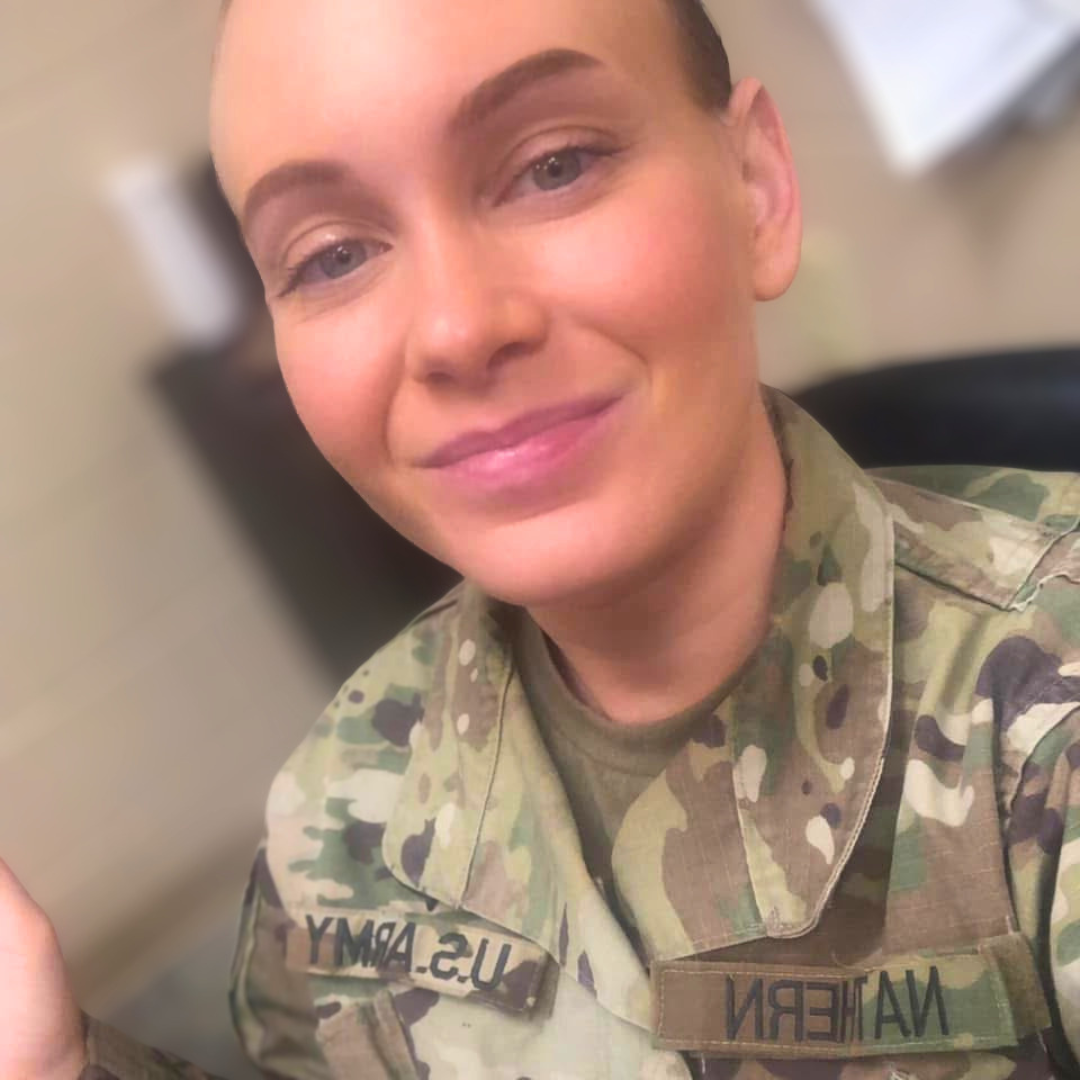
Nicole’s background adds an important dimension to the conversation. A former member of the U.S. Army, she speaks candidly about how her service influenced her worldview, maturity, and sense of responsibility. Like many Americans, she describes her political awareness as something that developed over time—particularly during the turbulent years around 2019 and 2020. Rather than adopting rigid ideological labels, she frames her perspective as evolving, shaped by observation and lived experience rather than strict partisan alignment.

A central theme throughout the episode is the power of language and how it influences perception. Nicole discusses what she sees as a shift in how words are used in public discourse—arguing that language is increasingly being shaped in ways that can divide rather than clarify. She connects this idea to broader concerns about social trust, cultural polarization, and the ways information is presented in the digital age. The conversation explores how emotionally charged messaging often replaces nuanced discussion, making it harder for people to engage in objective analysis.

The discussion also ventures into deeper territory with Nicole’s concept of what she calls the “architecture of thought reform.” Drawing from personal observation and academic study, she outlines patterns she believes are present in modern culture, including emotional manipulation, isolation, and the use of loaded language. Whether listeners agree or disagree, the segment highlights a broader concern shared by many today: how media environments and online platforms shape not just opinions, but the way people think.

Find Nicole on TikTok

Billy and Nicole also examine the role of social media—particularly platforms like TikTok—in shaping public conversation. Nicole emphasizes her intention to present ideas in a calm, neutral tone, encouraging viewers to think critically rather than react emotionally. This approach, she suggests, is part of why her content resonates with a growing audience. The episode underscores how independent creators are carving out space for alternative perspectives in an increasingly crowded digital landscape.

Another key thread in the conversation is the importance of maintaining composure in difficult discussions. Nicole shares practical strategies, such as journaling and preparing thoughtful responses, to help individuals stay grounded when faced with emotionally charged debates. The idea of “not taking the bait” becomes a recurring theme—an appeal for more intentional, reflective engagement rather than reactive exchanges.

Ultimately, this episode offers a snapshot of the broader cultural moment: a time marked by rapid change, heightened emotion, and competing narratives about truth and identity. Through their dialogue, Billy Dees and Nicole Nathern-Hedrick invite listeners to step back, examine assumptions, and consider how they engage with the world around them.

Whether you’re interested in cultural commentary, political discussion, or the psychology behind modern communication, this episode delivers a thought-provoking conversation that encourages deeper reflection—and perhaps a more measured approach to the noise of everyday discourse.

Hollywood Insider – 20 Years of Tales with Marsha Scarbrough

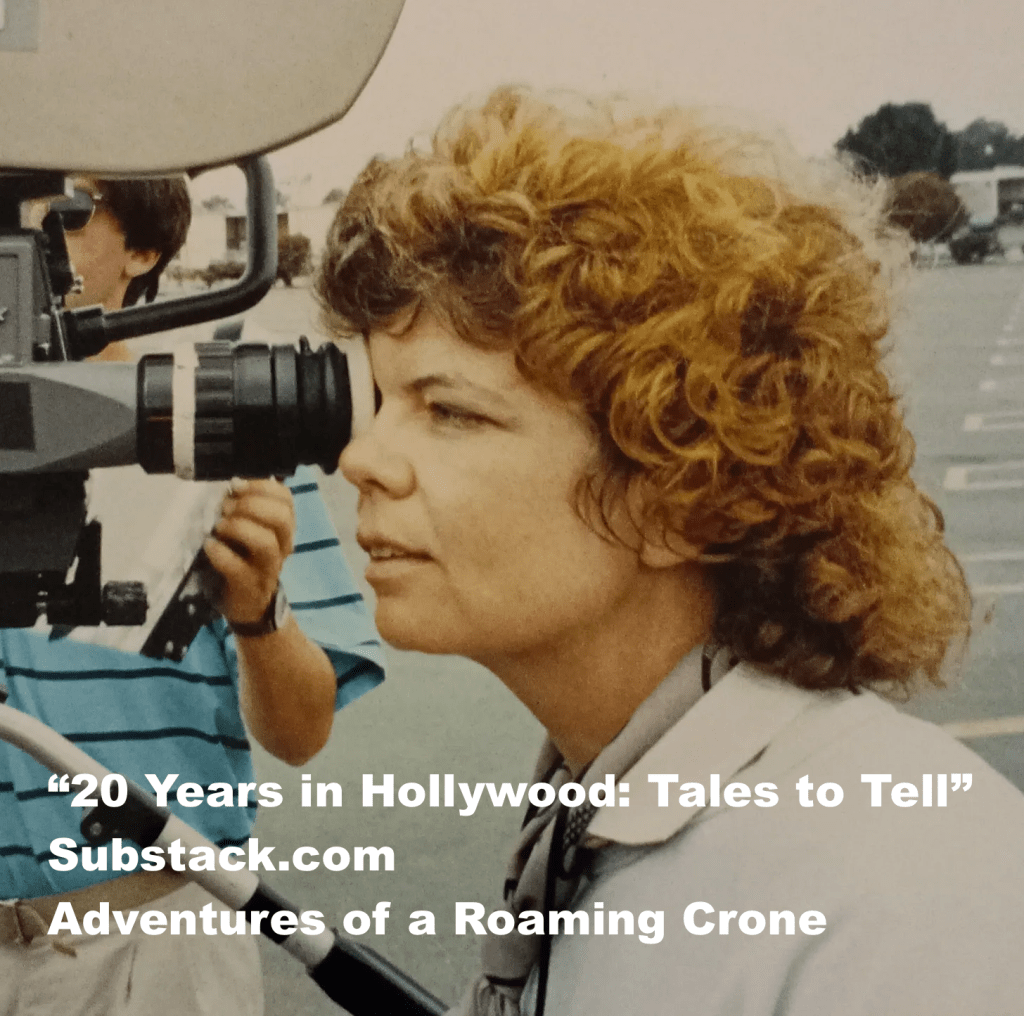
Marsha Scarbrough

In this episode of The Billy Dees Podcast, Billy sits down with Marsha Scarbrough, a former assistant director with nearly two decades of experience in Hollywood. Speaking from Granada, Spain, Marsha brings listeners into a world that few ever see—the demanding, fast-paced, and often unpredictable life behind the camera. From her early days navigating the Directors Guild training program to working on major film and television productions, her stories offer both humor and hard-earned insight into what it really takes to make movies.

Marsha paints a vivid picture of the assistant director’s role, describing it as the engine that keeps production running. Responsible for everything from scheduling and logistics to managing communication between departments, assistant directors are often the first to arrive and the last to leave. The job is as mentally demanding as it is physical, with long days, little sleep, and constant problem-solving. Yet despite the grueling pace, Marsha shares her appreciation for the creative puzzle of filmmaking—taking a script apart and rebuilding it in the most efficient way possible for production.

Link to Marsha’s Substack

The conversation also dives into her experiences working alongside some of Hollywood’s biggest names. Marsha offers a balanced perspective on celebrity culture, noting that while some actors are generous and collaborative, others can be difficult and ego-driven. Her stories provide a fascinating contrast—particularly when comparing her positive experience working with Clint Eastwood on Bird to more challenging encounters on other sets. These moments highlight not only the personalities involved but also the importance of leadership, professionalism, and emotional intelligence in filmmaking.

Beyond personal anecdotes, the episode explores broader changes in the entertainment industry. From the decline of traditional Hollywood production to the rise of global filming locations like Spain, Marsha and Billy discuss how economics, technology, and shifting audience habits are reshaping the business. They also touch on the impact of streaming, social media, and artificial intelligence—raising important questions about the future of storytelling and the movie-going experience. Ultimately, this episode is both a behind-the-scenes look at Hollywood and a reflection on creativity, resilience, and change. Marsha Scarbrough’s journey—from long days on set to sharing her stories through her memoir 20 Years in Hollywood: Tales to Tell—offers listeners a rare and honest glimpse into an industry that continues to evolve. Whether you’re a film enthusiast or simply curious about what happens beyond the spotlight, this conversation delivers insight, entertainment, and plenty of unforgettable stories

Rethinking the System: A Conversation with Tom Joseph on a “Moneyless” Path to Congress

In this episode of The Billy Dees Podcast, host Billy Dees sits down with Tom Joseph, founder of America’s Main Street Party, to explore an ambitious and unconventional idea: a “moneyless” nominating system for congressional candidates. At a time when public trust in political institutions is strained and campaign spending continues to dominate elections, Joseph presents a model designed to shift power away from wealthy donors and party elites, placing it directly into the hands of voters.

Tom Joseph

At the core of Joseph’s proposal is a competition-style primary process that eliminates campaign spending altogether. Candidates enter by earning grassroots support from constituents rather than financial backing, and they advance through multiple rounds based on public approval. The system relies on equal access to a shared digital platform, where candidates present their positions using the same amount of space, time, and visibility. By standardizing exposure and removing financial advantages, Joseph argues that voters can focus on substance over marketing, potentially leading to candidates with broader and more genuine public support.

The conversation also dives into the mechanics behind the idea, including the use of secure mobile technology, blockchain-based voting, and structured issue-based comparisons to help voters navigate large candidate pools. Joseph emphasizes that the system is designed to work within existing election laws, rather than requiring sweeping legislative changes. He also addresses practical concerns—such as accountability, scalability, and resistance from entrenched political interests—while acknowledging the challenges of introducing such a disruptive concept into a deeply established system.

Throughout the discussion, Billy Dees offers thoughtful skepticism, raising questions about voter behavior, the influence of partisanship, and whether the public truly wants a more nuanced and equitable process. This back-and-forth adds depth to the episode, highlighting both the promise and the uncertainty of Joseph’s vision. Ultimately, the episode presents a compelling exploration of what electoral reform might look like in a digital age—inviting listeners to consider whether a system less driven by money could lead to a more representative democracy.